The ongoing conflict involving Iran has placed the U.S. central bank in a 'wait-and-see' posture, as rising energy prices and resulting inflation concerns complicate the Federal Reserve's calculations on interest rates. Officials are now assessing whether the war's impact on inflation warrants a shift in monetary policy, particularly concerning previously anticipated rate cuts.
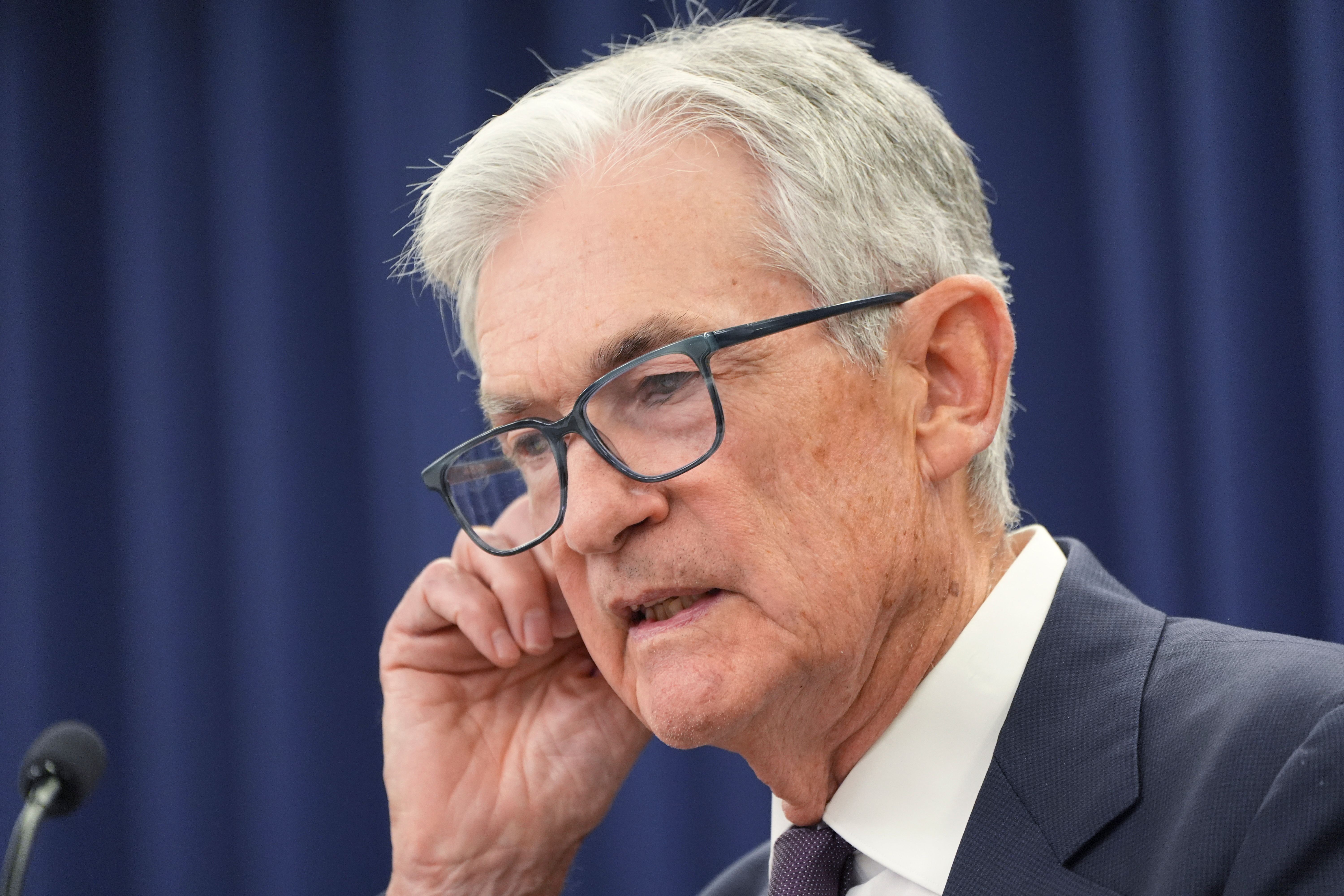
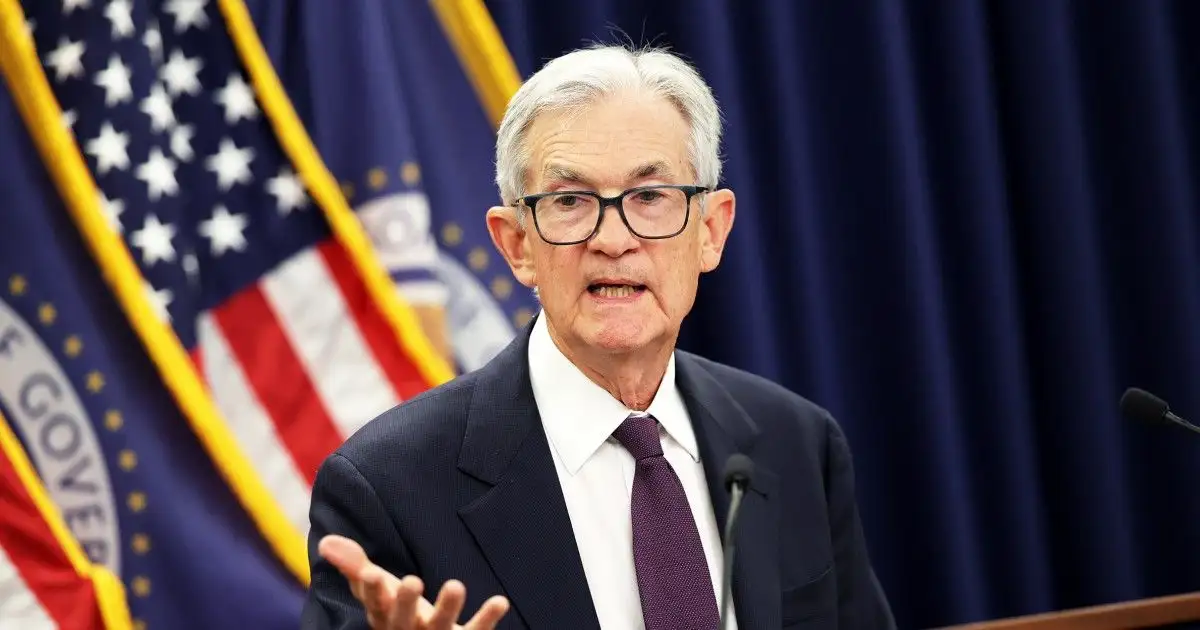
Federal Reserve Chair Jerome Powell has stated that the central bank is "in a good place to wait and see" how the war affects the economy and inflation. He indicated that policymakers typically look past temporary shocks, such as surges in oil prices, but acknowledged the need to monitor inflation expectations. Powell mentioned that he would want to see any tariff-driven inflation subside before deciding whether to address inflation stemming from the Iran conflict with tighter monetary policy.
Read More: Goldman Sachs predicts 15 million US jobs lost to AI by 2036
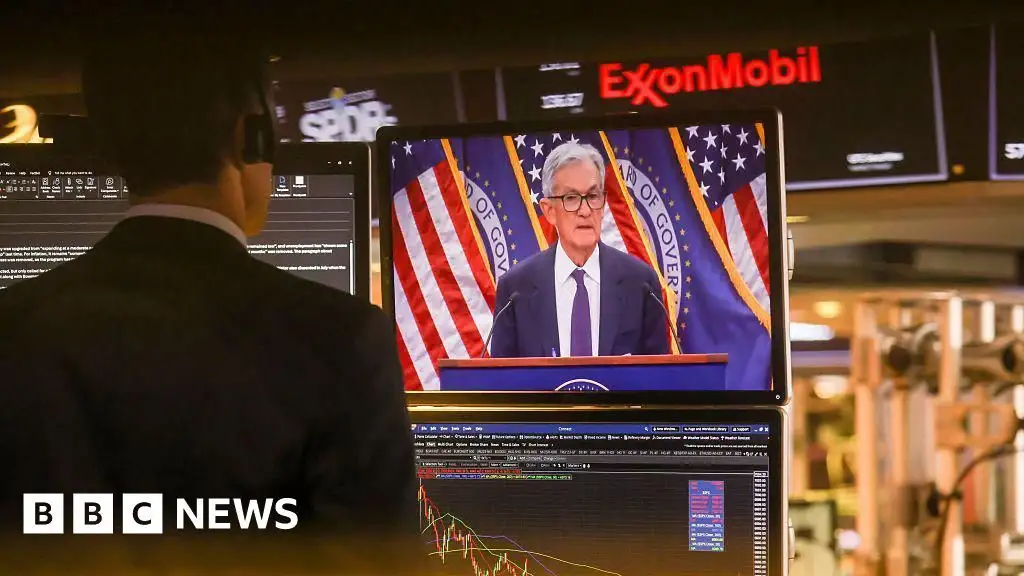
Several Fed officials have voiced concerns that the war could push inflation higher. Fed Governor Philip Jefferson anticipates a short-term surge in inflation due to increased energy prices, which could subsequently impact household spending and the job market. This aligns with broader market-based gauges showing a jump in household price expectations.
SHIFTING EXPECTATIONS ON RATE CUTS
The conflict has injected significant uncertainty into the Federal Reserve's outlook, leading to a re-evaluation of future interest rate adjustments.
Financial markets are now factoring in a greater likelihood that the Fed's next move could be a rate hike rather than a cut, a stark contrast to earlier expectations.
Previously, the Fed had cut rates three times before pausing, and a cooling job market had strengthened the case for future reductions. However, the war's inflationary pressures are now complicating this trajectory.
Some Fed officials, like Cleveland Fed President Beth Hammack, have expressed skepticism about arguments for immediate rate cuts in light of the new uncertainties.
THE WAR'S ECONOMIC RIPPLE EFFECTS
The impact of the war extends beyond inflation, touching various aspects of the economy.
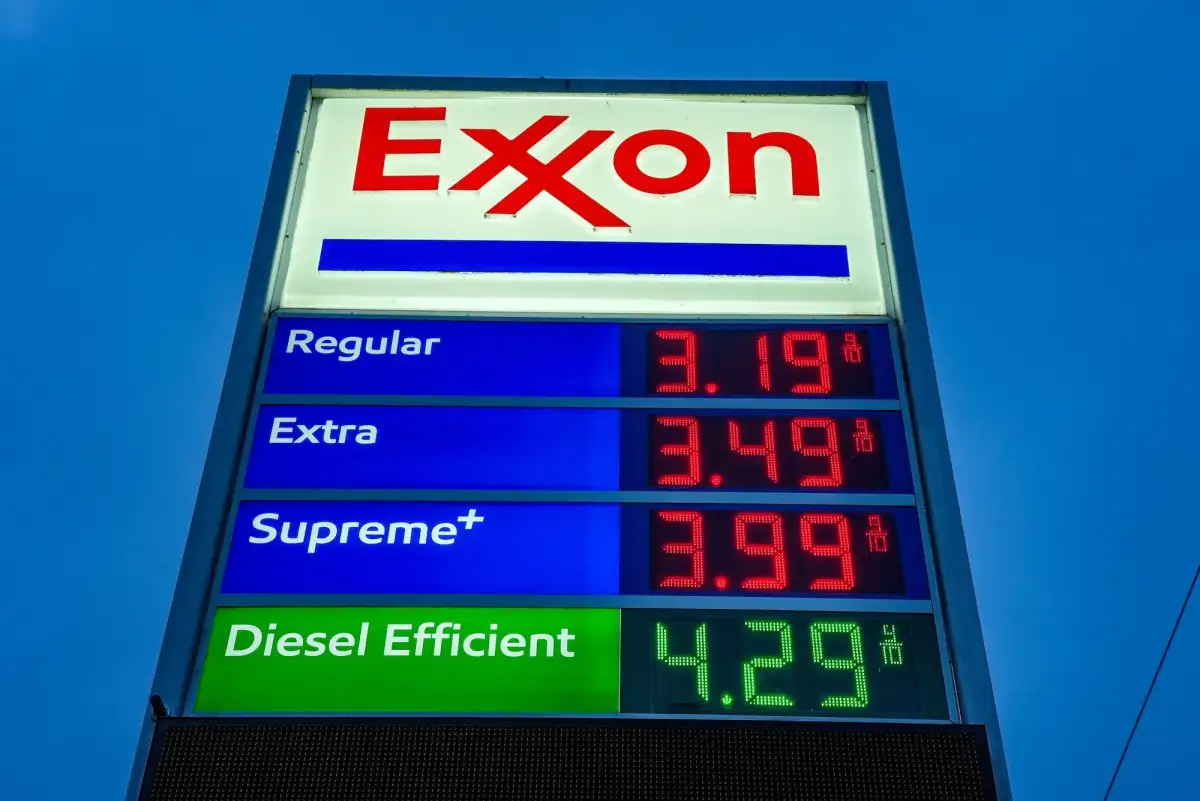
Energy Prices: The war has driven up oil and gasoline prices, a development that directly affects inflation and consumer sentiment.
Consumer Spending: Higher fuel costs could reduce disposable income, potentially leading households to cut back on spending in other areas.
Job Market: While the war presents "upside risks" to inflation, it also poses "downside risks" to employment, creating a delicate balancing act for the Fed.
Tariffs: The ongoing economic uncertainty is compounded by previous issues, including tariffs, with the Supreme Court having recently struck down many of them as unconstitutional, adding another layer of complexity to trade policy.
FED OFFICIALS' STATEMENTS AND STANCE
Recent commentary from Federal Reserve officials highlights the central bank's cautious approach.
"We feel like our policy's in a good place for us to wait and see how that turns out," said Jerome Powell.
Austan Goolsbee, President of the Federal Reserve Bank of Chicago, has discussed the economic risks associated with the war, noting that in an overheating economy, there's an "obvious playbook" for action.
Michael S. Barr, Fed Governor, and Beth Hammack, Cleveland Fed President, are among those skeptical of arguments favoring rate cuts amidst the current economic climate.
John C. Williams, President of the Federal Reserve Bank of New York, sees "substantial risks" from the war shock, asserting that policy is "well-positioned" but emphasizing the need to keep inflation expectations anchored.
BACKGROUND
The Federal Reserve's primary tools for managing the economy involve adjusting interest rates. Raising rates typically aims to curb inflation by making borrowing more expensive, thus slowing down spending and investment. Conversely, cutting rates is intended to stimulate economic activity by making borrowing cheaper, encouraging spending and hiring. The central bank's target inflation rate is 2 percent. The current inflation situation, exacerbated by the Iran conflict, presents a challenge to achieving this goal without potentially harming employment. The U.S. labor market has shown signs of weakening, adding another dimension to the Fed's policy considerations.
Read More: House Votes to Limit President's War Power on Iran