Formula 1 drivers are facing concerns over potential long-term health issues, including nerve damage and risks similar to brain injury, stemming from new car designs and persistent vibrations. These issues have led to restrictions on driver participation and prompted discussions about the safety of current racing conditions.

Persistent Bouncing and Vibration Concerns
New regulations in Formula 1 have introduced challenges for drivers, with concerns rising over "porpoising" and chassis vibrations.

Porpoising: This phenomenon, a type of aerodynamic oscillation where a car rapidly bounces up and down, has been a focus of safety discussions. Reports indicate an FIA medical study warned of brain damage risks associated with excessive porpoising. Mercedes boss Toto Wolff cited this study, suggesting that prolonged exposure to these movements could have serious health implications. He emphasized the need for rule changes to address this, stating that relying on a temporary fix like raising the car's ride height is not a sufficient solution.
Chassis Vibrations: Beyond porpoising, severe vibrations originating from car components are causing alarm. Aston Martin, for example, has confirmed that extreme vibrations in their car chassis are limiting the number of laps drivers can complete. Team principal Adrian Newey stated that these vibrations are so significant they risk damaging drivers' hands and have led to the car's battery unit breaking during testing.
Aston Martin's Response to Vibration Issues
Aston Martin is implementing measures to protect its drivers from the effects of severe car vibrations.

Limited Laps: The team has announced plans to restrict the number of consecutive laps drivers Lance Stroll and Fernando Alonso can complete during the Australian Grand Prix weekend. This is a direct consequence of the extreme vibrations experienced during pre-season testing, which also caused reliability issues with the car's battery.
Injury Prevention: The team's decision to limit laps is a preventative measure to avoid serious injury to the drivers. In the best-case scenario, the team's race endurance might be cut in half unless immediate fixes are found. While the drivers express faith in the team's potential, the immediate concern is driver safety.
"We are going to have to be very heavily restricted on how many laps we do in the race until we get on top of the source of the vibration and improve the vibration at source." - Adrian Newey, Aston Martin Team Principal
Driver Health and Safety Discussions
The escalating concerns have spurred conversations between teams, drivers, and the FIA (Fédération Internationale de l'Automobile) regarding the long-term health impacts of current racing conditions.

Medical Reports and Studies: Wolff's reference to an FIA medical report highlights the official recognition of potential health risks. Although the specific study Wolff claims to have seen was not directly cited, the underlying concern about the effects of sustained vibrations, similar to those in animal studies showing cognitive decline, has been raised.
Balancing Health and Performance: Drivers have expressed a desire to avoid a situation where they must choose between their health and car performance. The sentiment is that the FIA should not create a scenario where running an unsafe car becomes a performance necessity.
Historical Context: While Formula 1 has made significant strides in safety, leading to a decrease in severe injuries and fatalities over decades, new challenges continue to emerge. A review of injuries from 1950 to 2023 shows a notable reduction in fractures and extremity injuries, but the long-term effects of sustained vibrations are a more recent focus.
Potential for Nerve Damage
The vibrations experienced by drivers are raising fears of permanent nerve damage.
Specific Team Concerns: Reports suggest that Aston Martin drivers are particularly at risk due to chassis vibrations. The severity of these vibrations has led to fears of permanent damage to the drivers' hands.
Frequency and Duration: Concerns are amplified by the frequency and duration of these vibrations. Wolff mentioned exposures at "6-7 Hz over several hours," which, if similar to the conditions in studies on animals, could lead to significant health problems.
"While other teams said Wolff may be exaggerating, according to Motorsport.com, Wolff cited a study that claims drivers risk brain damage from the constant bouncing." - The Drive
Ongoing FIA Involvement
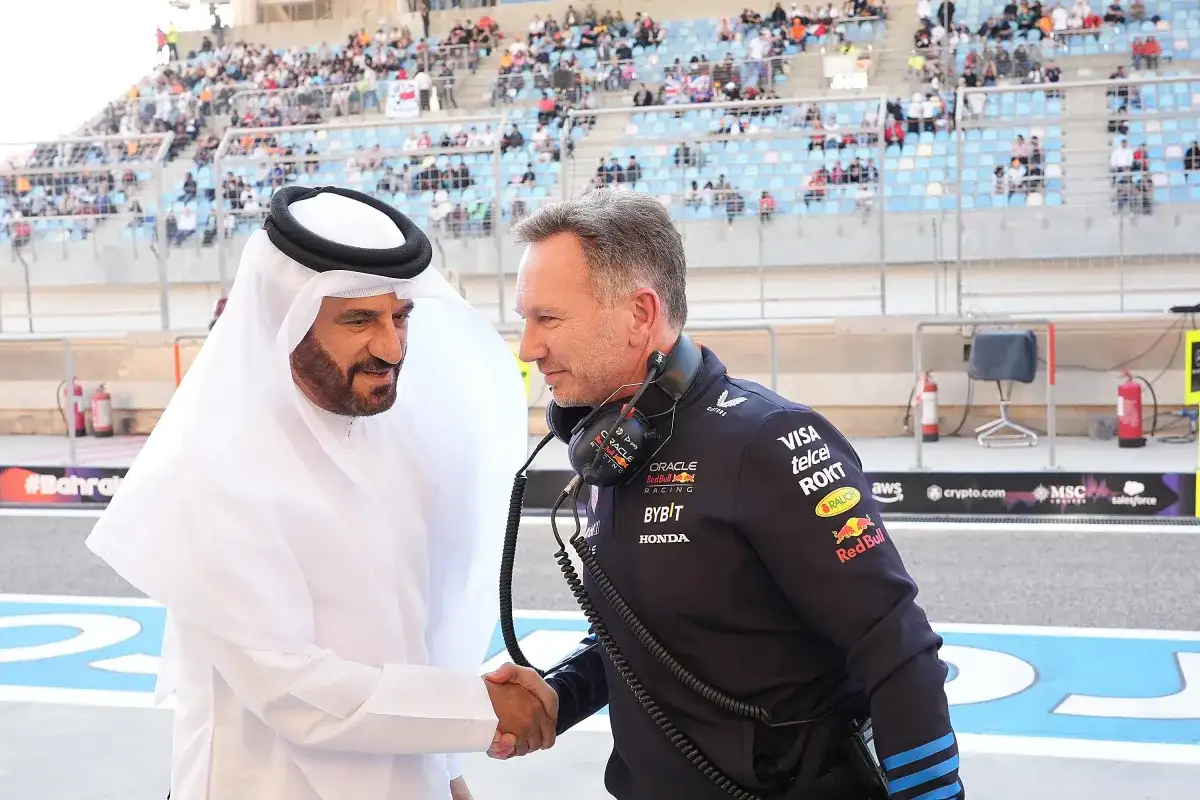
The FIA president, Mohammed Ben Sulayem, has been actively involved in gathering opinions from teams and drivers to understand the situation and decide on necessary measures.
Read More: Christian Horner to Attend 2026 British Grand Prix
Seeking Consensus: Ben Sulayem has been canvassing opinions to better grasp the issues surrounding porpoising and vibrations. This includes discussions on potential rule changes and whether to implement a compromise solution, such as a 10mm increase in the car's floor height, though there is no guarantee this will be accepted.
Potential for Disagreement: There is an indication that disagreements exist between teams regarding the proposed solutions, with some teams reportedly considering legal challenges if the FIA proceeds with certain plans. Mercedes, however, appears to align with the FIA's more stringent stance.
The exact nature and severity of potential long-term nerve damage and brain injury risks are still being investigated and debated among teams and governing bodies.
The effectiveness of proposed solutions and the timeline for their implementation remain unclear.
The extent to which drivers' racing capabilities will be impacted by these issues in upcoming events is a developing situation.