


Recent public appearances by former NFL players have stirred a peculiar kind of spectacle, as several prominent figures from the league’s past have unveiled dramatically altered physiques, leaving observers struggling to reconcile their present visages with the dominant athletes they once were.
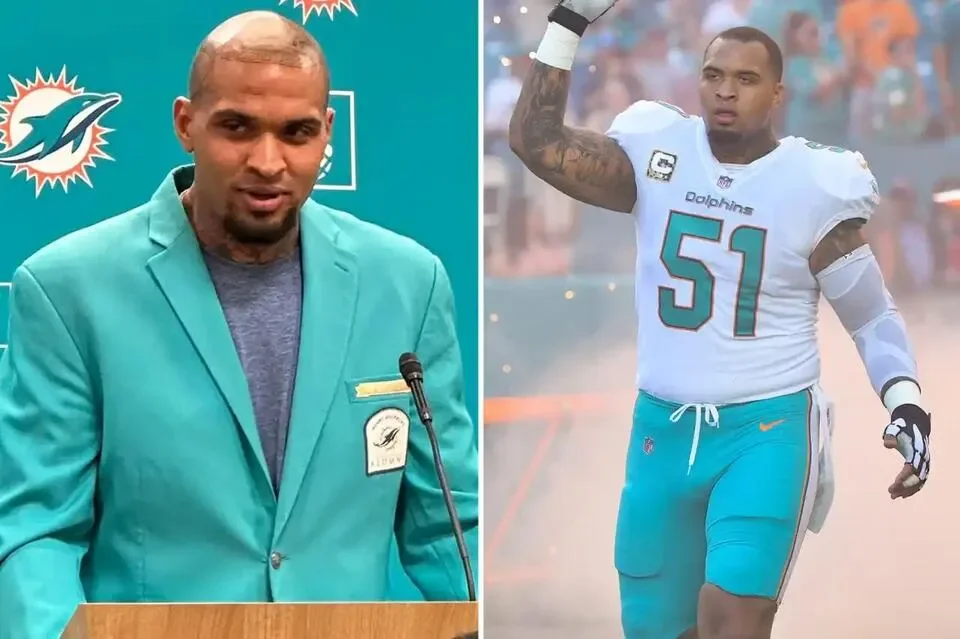
The most salient transformations involve figures like Eddie Lacy, Maurkice Pouncey, and Joe Thomas. Lacy, once notorious for weight struggles during his time with the Green Bay Packers and previously at Alabama, has shared his journey, attributing some weight loss to ceasing excessive alcohol consumption. Pouncey, the former Steelers lineman who clocked in at a formidable 305 lbs, has since shed a significant amount of weight, with one report suggesting a 70-lb drop. This shift has made him nearly unrecognizable to fans, with his current slimmed-down appearance starkly contrasting his imposing on-field presence. Similarly, Cleveland Browns legend Joe Thomas has undergone a dramatic metamorphosis, losing 50 lbs and even altering his signature beard, presenting a leaner figure now frequently seen as an NFL Network analyst.
Read More: Ex-NFL Player Josh Mauro's Death Cause: Accidental Overdose Confirmed
These athletes, once defined by their sheer physical mass and power on the field, are now presenting radically different selves to the public. The shift often occurs years after retirement, highlighting a stark divergence between their professional personas and their post-athletic lives. While Lacy’s weight issues were a recurring theme throughout his college and professional career, Pouncey’s transformation, particularly his reported method of "eating like a rabbit," and Thomas’s transition to a leaner, swimmer-like build, underscore a deliberate, often drastic, redefinition of their physical selves.
Shifting Sands of Stature
The discourse surrounding these transformations often centers on the public's perception and surprise. Pouncey, for instance, made a notable appearance in Dublin during the NFL International Series game, his altered look capturing significant attention. Fans, accustomed to his dominant presence on the offensive line, found it difficult to recognize him. His openness about his post-football fitness journey on social media, sharing workout glimpses and lifestyle changes, suggests a sustained commitment to this new physical identity. This continued visibility, particularly Pouncey's, has been a gradual unveiling for his closer followers, though his public displays continue to prompt widespread comment.
Read More: NBA Player Myles Turner Says Teammates Late for Flights, Meetings
The weight stipulations that were once inserted into contracts, a testament to the extreme demands of professional football, now stand in sharp relief against these post-career metamorphoses. Lacy's past weight goals, a tangible measure of league expectations, now frame a narrative of personal change that extends beyond contractual obligations. The public fascination with these altered appearances speaks to a deeper curiosity about the lives of athletes once confined to the hyper-physical realm of professional sports, and their subsequent navigation of identity beyond the roar of the stadium.
A Broader Context
The NFL, a league where physical metrics often define careers, inherently places a spotlight on the bodies of its athletes. The pressure to maintain immense size and strength for years takes a toll, as Joe Thomas himself has acknowledged regarding the long-term impact of his playing days. His shift to a leaner, swimmer-like physique after shedding 50 lbs is presented as a "new lease of life," indicating a potential reclamation of well-being post-career. The contrast between the hulking lineman of the past and the visibly lighter individual of the present underscores the extreme physical conditioning and subsequent adaptations involved in professional football and its aftermath.
Read More: Bar Soap May Harbor Germs, New Study Shows


