


The ongoing debate surrounding refereeing decisions in Scottish football has intensified, with recent events suggesting that perceived ineptitude may have significantly influenced the title race. This situation has propelled the use of Video Assistant Referee (VAR) technology into a critical phase, demanding a reassessment of its effectiveness and implementation.

The effectiveness of VAR in Scottish football is under fire, with claims that it has not improved officiating but rather amplified existing issues. This comes amidst a stark absence of Scottish referees from recent international lists, raising questions about the standard of officiating on a global stage.
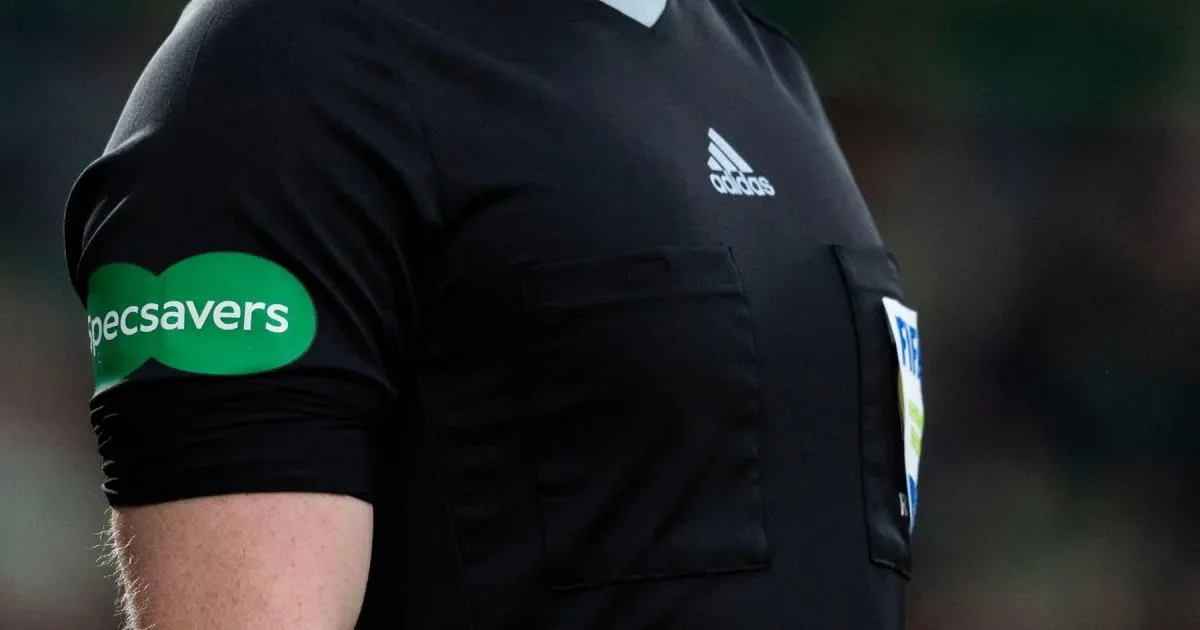
Historical Grievances Resurface
Past criticisms of Scottish referees, such as Robbie Neilson's remarks about an 'old Glasgow long blink', are being revisited. These comments highlight a long-standing perception of bias or flawed judgment within the officiating ranks. The current pressure on referees is described as palpable, particularly in the context of high-stakes matches crucial to the title outcome.
Read More: World Cup hotel bookings low for US host cities

International Omission Speaks Volumes
A significant point of contention is the repeated exclusion of Scottish referees from major international tournaments. Most recently, no Scottish officials were named for the upcoming Paris Olympics or the World Cup lists released in April 2026. This absence, particularly following a decade-long drought at major events, starkly contrasts with the inclusion of officials from other European nations, including England. This has led to strong sentiment that VAR has not elevated Scottish refereeing, but instead, merely highlighted its shortcomings.
The VAR Conundrum
The implementation of VAR was intended to bring greater accuracy and transparency to officiating. However, the current climate suggests that the technology has not resolved underlying issues. Some commentators argue that VAR's presence has simply amplified existing problems rather than rectifying them. The recent controversy involving a stoppage-time penalty in a match between Celtic and Motherwell serves as a recent example of how contentious decisions can escalate tensions and fuel accusations of perceived injustices.
Read More: Celtic Wins Scottish Premiership Title on May 16, 2026 After Late Goal
Pressure and Peril for Officials
The intense scrutiny from supporters and pundits creates significant psychological pressure on referees. This is compounded by an explicit need for change in how refereeing decisions are discussed, with warnings issued against the normalization of threats directed at officials. The situation demands a nuanced approach, acknowledging both the pressure on individuals and the systemic questions surrounding the quality and perception of refereeing in Scotland.


