Milestone Negotiations Commence After Hungarian Stance Reversal
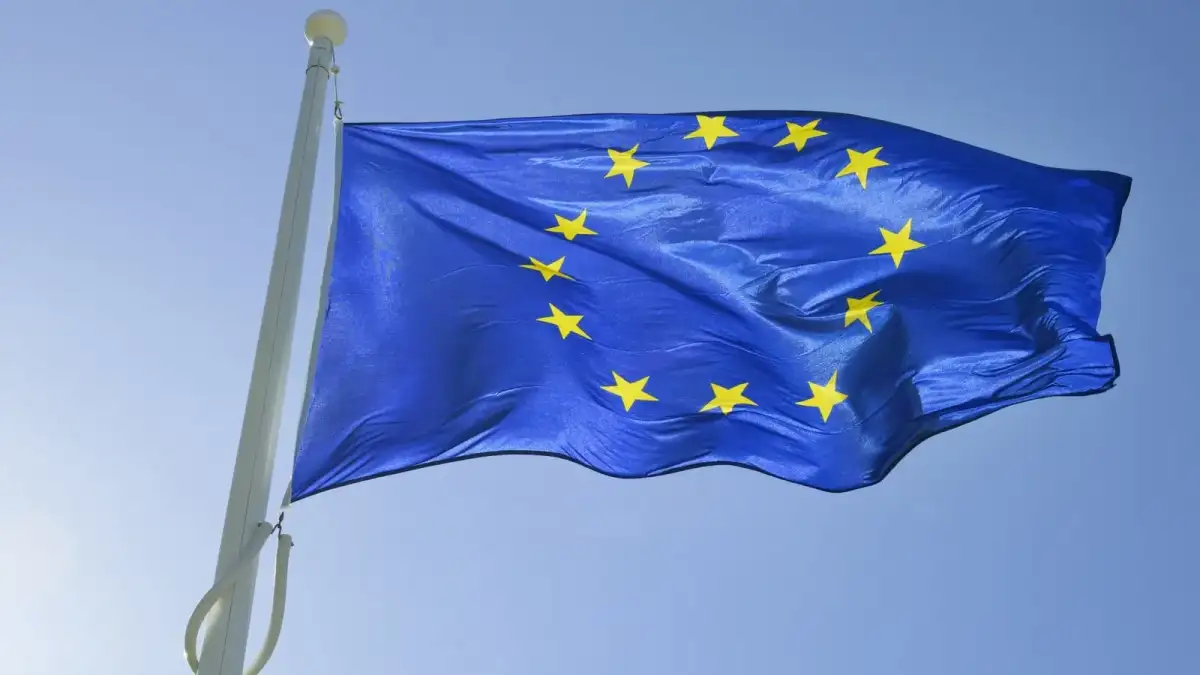
The European Union has formally initiated accession negotiations with Ukraine and Moldova, marking a significant advancement after a two-year standstill. This development follows a diplomatic agreement concerning the rights of the Hungarian minority in Ukraine, a sticking point that had previously stalled progress. The process, involving the opening of the first negotiating "cluster," is slated for formal approval next week, with intergovernmental conferences anticipated on June 15 in Luxembourg.
Irish Minister for European Affairs, Helen McEntee, has publicly welcomed this "historic milestone," emphasizing the renewed momentum and unity within the EU. McEntee commended the determination of both Ukraine and Moldova, particularly in light of their ongoing challenges, stating their progress reflects a deep commitment to democracy, the rule of law, and core EU values. Ireland, as an incoming Presidency of the Council, aims to play an active role in this enlargement phase.
Read More: Taiwan Holds Nantou County Drills to Prepare for State Collapse

Hungary's Role and Minority Rights Deal
The breakthrough appears to have been facilitated by a shift in Hungary's position. Reports indicate an agreement was reached between Hungarian and Ukrainian diplomats on June 3, addressing the linguistic, educational, cultural, and political rights of the Hungarian minority residing in Ukraine's Transcarpathia region. This accord reportedly includes provisions for issuing educational certificates in minority languages upon parental request and allowing the use of minority symbols at official state events, provided they do not overshadow Ukrainian state symbols or violate local law.
This agreement appears to have cleared the path for unanimity among the 27 EU member states, a prerequisite for any enlargement steps. While Hungary's new Prime Minister, Peter Magyar, has indicated a willingness to move forward, he has also cautioned against a "fast-track" procedure for Ukraine's accession. The previous Hungarian government, under Viktor Orbán, had been a vocal critic of EU support for Ukraine and had previously blocked or diluted various EU initiatives concerning Kyiv.
Read More: Europe June 2026 heatwave caused 39 percent rise in Belgium deaths

Broader Implications and Context
The opening of these negotiations is framed by many as a powerful signal of the bloc's commitment to expansion and its support for democratic reforms in Eastern Europe. For Ukraine, the move comes as the country continues to resist a full-scale Russian invasion, a conflict now in its fourth year. Moldova also pursues membership amidst regional instability and its own ongoing reform efforts.
The EU's Enlargement Commissioner, Marta Kos, noted the renewed unity within the Union regarding this expansion. McEntee's statements echo this sentiment, highlighting Ireland's historical involvement in the EU's first enlargement and its ambition to contribute to the current phase. The overall process requires the unanimous consent of all member states for each step, underscoring the complex diplomatic maneuvers involved.
Read More: FBI Analysts Review Georgia 2020 Election Data in Fulton County