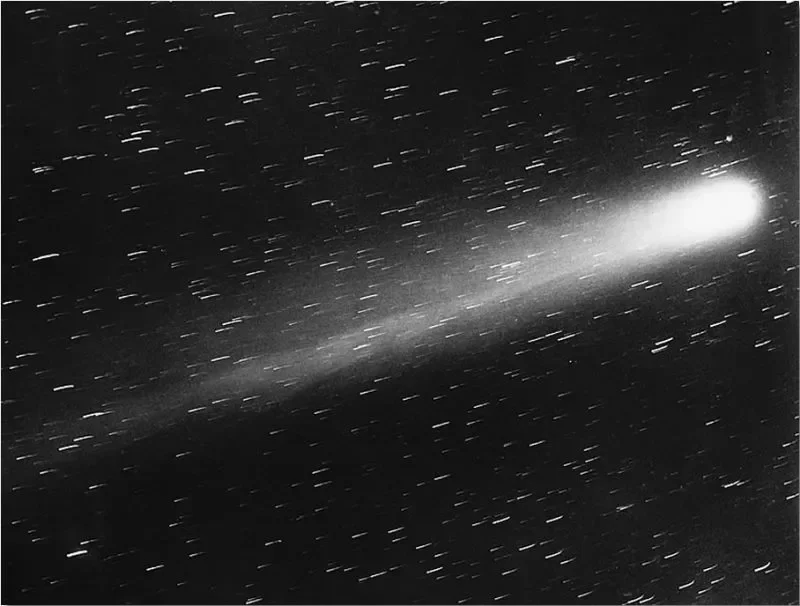
The annual Eta Aquarid meteor shower, a celestial event originating from debris shed by Halley's Comet, reached its peak on May 5-6, 2026. This shower is characterized by swift meteors, with some fragments entering Earth's atmosphere at speeds approaching 40 miles per second (or approximately 148,000 mph). The Eta Aquarids are visible annually from April 19 to May 28, appearing to radiate from the constellation Aquarius.
The most opportune moments for viewing the shower, particularly for observing the greatest number of meteors, were during the early predawn hours. Ideal viewing conditions necessitate allowing approximately 20 minutes for eyes to adjust to darkness and avoiding bright light sources, such as phone screens. While the Southern Hemisphere generally offers superior viewing conditions, with the potential for up to 50-60 meteors per hour under dark skies, viewers in the Northern Hemisphere might expect rates closer to 10 to 30 meteors per hour. The shower’s visibility is also impacted by the moon's phase, with dimmer moonlight offering clearer skies for spotting the fainter meteors.
Read More: Indigenous Data Rights Now Key in Conservation Genomics
Cosmic Debris and Celestial Mechanics
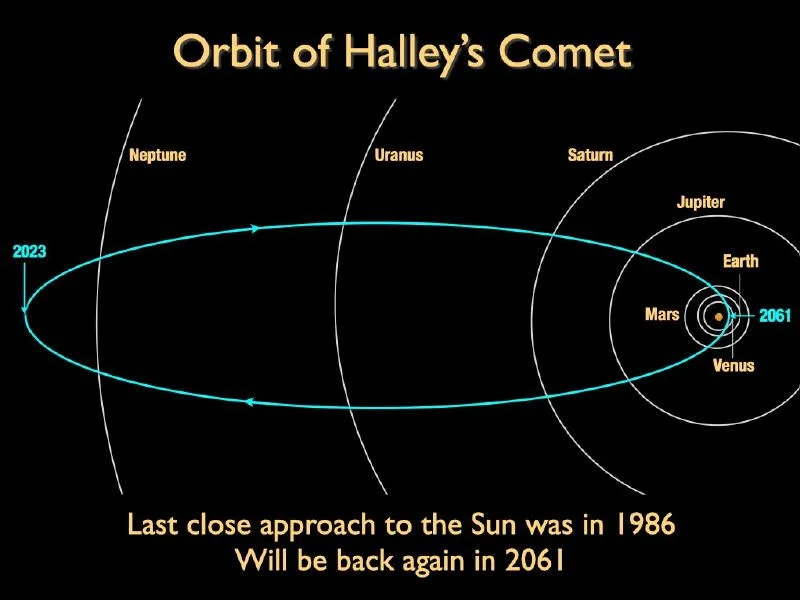
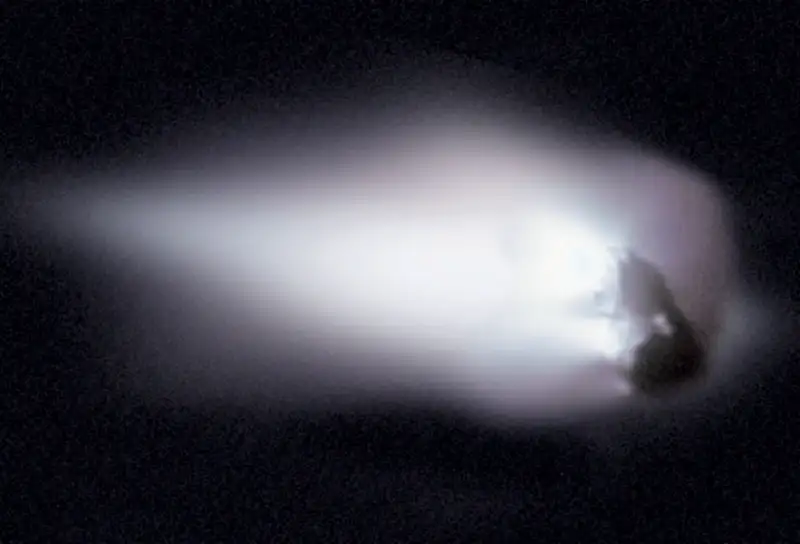
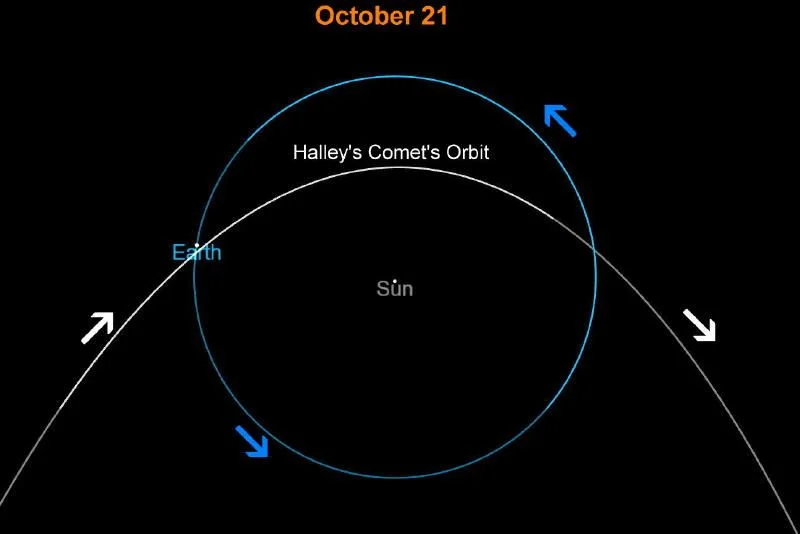
The Eta Aquarid meteor shower occurs when Earth passes through the orbital path of Halley's Comet. This famous comet, which orbits the sun roughly every 76 years, leaves a trail of dust and ice particles along its orbit. As Earth traverses this stream of debris, these fragments burn up in the planet's atmosphere, creating the streaks of light we perceive as shooting stars.
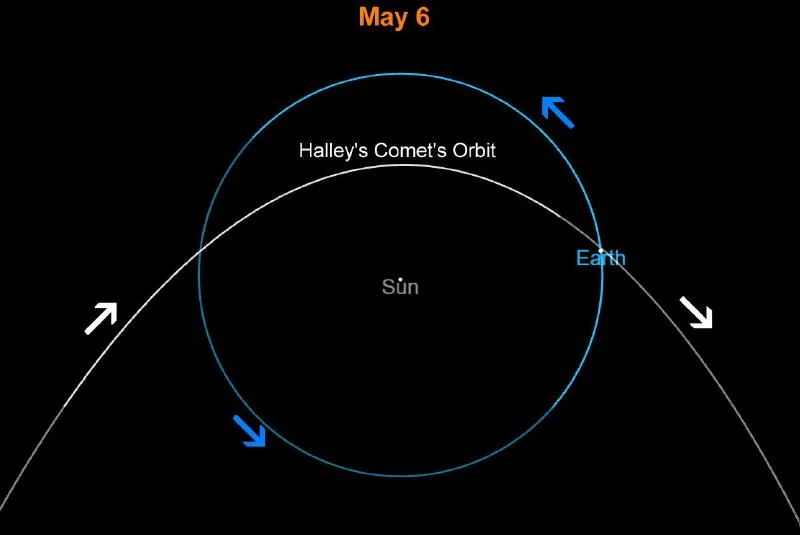
The specific peak timing for the shower can fluctuate slightly each year, with the American Meteor Society pinpointing 3:51 UTC on May 5 as the predicted peak for 2026. While Halley's Comet itself is currently far from Earth, its lingering detritus continues to provide an annual spectacle. Observers might also witness "Earth-grazer" meteors, which skim closer to the horizon and can last longer.
Read More: US Space Force Victus Haze Mission Successfully Tests Orbital Intercepts
Context and Viewing Advice
The Eta Aquarid meteor shower is one of several annual events stemming from cometary trails. Other notable showers include the Lyrids (from Comet Thatcher), the Orionids (also from Halley's Comet, peaking in October), the Leonids (from Comet Tempel-Tuttle), and the Perseids (from Comet Swift-Tuttle).
For optimal viewing of the Eta Aquarids, locating a dark spot away from city lights and looking toward the constellation Aquarius after midnight is recommended. The shower is active throughout a significant portion of May, but its peak offers the most concentrated display of celestial activity.