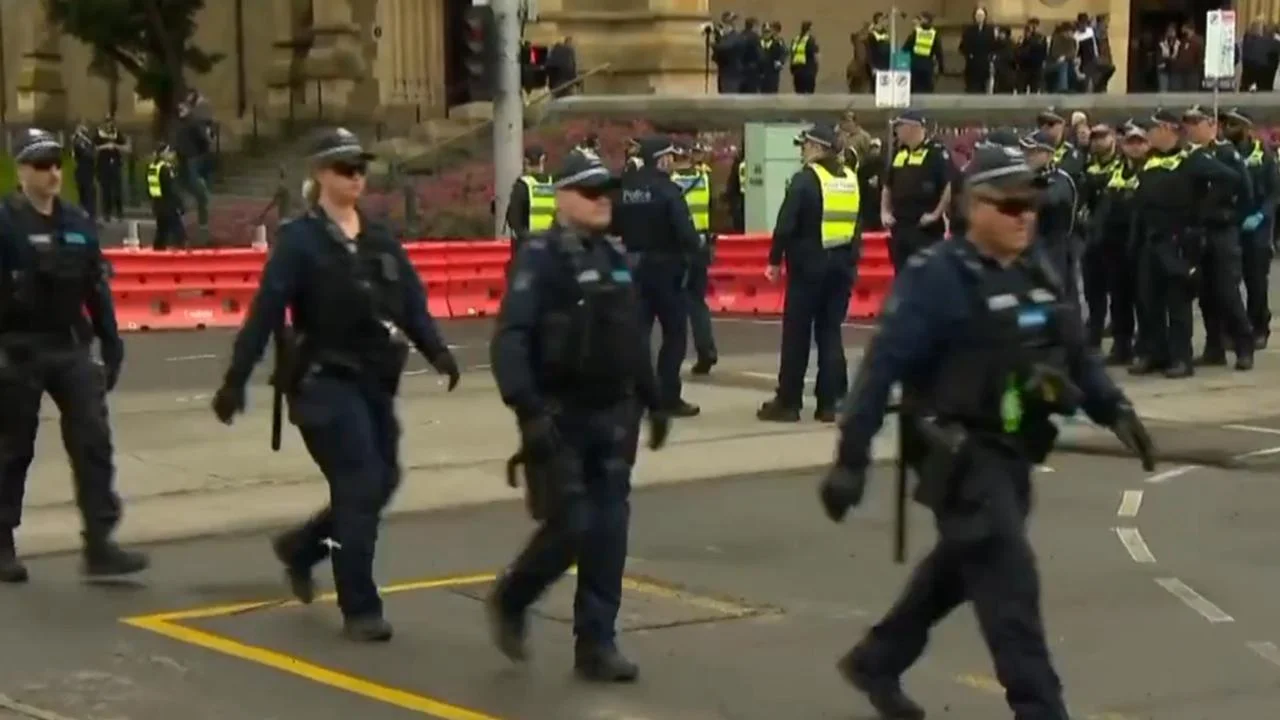
An increasingly vocal **Ed Husic**, a prominent Labor frontbencher, has openly opposed a potential visit by the Israeli president to Australia, sparking a significant debate within the Australian political landscape. This opposition, rooted in deep concerns over the ongoing conflict in Gaza and Israel's actions, places Husic at odds with some within his own party and highlights a growing tension over Australia's foreign policy towards the Middle East. The situation begs the question: Is Australia’s stance on the Israeli-Palestinian conflict evolving, and what are the real stakes of this internal political friction?
The controversy surrounding Ed Husic's opposition to a visit by the Israeli president is not an isolated incident, but rather the latest development in a series of increasingly sharp critiques from the Industry and Science Minister regarding Australia's response to the Israeli-Palestinian conflict. For months, Husic has been a lone voice, or at least one of the most vocal, within the Albanese government, consistently calling for stronger Australian action and expressing discomfort with the nation’s diplomatic approach.
A History of Unease: Husic's Consistent Criticism
Ed Husic, Australia's first Muslim cabinet minister, has a documented history of expressing concerns about the plight of Palestinians and the conduct of Israeli military operations. These concerns have often placed him in a difficult position, sometimes acknowledged as creating "uncomfortable" conversations.
Read More: People Talk About Keir Starmer's Job as Labour Leader
October 19, 2023: In the immediate aftermath of the October 7th Hamas attacks and Israel's subsequent military response, Husic voiced a sentiment that many found "uncomfortable." He stated, "I feel very strongly that Palestinians are being collectively punished here for Hamas's barbarism." He drew parallels between the Hamas attacks and "9/11" for Israel, while asserting that Palestinian lives in Australia were "considered lesser than." (Daily Mail)
May 2025: Following his demotion from cabinet, Husic penned an opinion piece explicitly criticizing the government's response to Israel's aid blockade in Gaza. He pointed out that Australia was not joining countries like the UK, France, and Canada in threatening sanctions if aid was not resumed. This was a direct challenge to his own party's perceived inaction. (ABC News)
May 27, 2025: Just days after his op-ed, Husic was reportedly urging for sanctions on Israel over the Gaza blockade, further amplifying his calls for a more robust Australian policy. (Australian Financial Review)
September 4, 2025: In a move that garnered significant attention, Husic called for the Australian government to warn dual nationals against joining the Israeli Defence Forces (IDF). He cited the International Court of Justice's (ICJ) ongoing hearings into potential genocide in Gaza and the International Criminal Court's (ICC) war crimes charges against Benjamin Netanyahu. Husic suggested reforming laws to prevent dual nationals from joining foreign forces where plausible genocide might be occurring. This move directly challenged existing foreign fighter legislation, which Foreign Minister Penny Wong had previously stated does not apply to dual citizens fighting for another country's military. (SMH)
August 12, 2024: In a podcast, Husic articulated a broader sentiment about the international community's approach, stating, "Israel is not listening to the words." He argued for a "harder line" and questioned the efficacy of mere rhetorical support. He also touched upon the complexities of financial or material aid, noting that support for a "violent extremism ideology" is a problem, while support for a homeland could be viewed differently, depending on the context. (SBS News)
These instances paint a clear picture of Ed Husic as a politician deeply troubled by the trajectory of the conflict and Australia's perceived lack of decisive action. His current opposition to the Israeli president's visit is, therefore, a logical extension of his long-held convictions.
Read More: Protests in Melbourne During Israeli President's Visit

The President's Visit: More Than Just Diplomacy?
The potential visit of the Israeli president to Australia is laden with political significance. For proponents, it represents an opportunity to strengthen bilateral ties and engage in dialogue. However, for critics like Ed Husic, it symbolizes a tacit endorsement of current Israeli policies, particularly in light of the ongoing humanitarian crisis in Gaza.
"You'd have to be living under a rock not to understand the sheer level of devastation and destruction that has been visited upon Gaza and the Palestinian people." - Ed Husic (as reported in The Guardian)
Husic's reasoning for opposing the visit is multi-faceted:
Humanitarian Concerns: The "sheer level of devastation and destruction" in Gaza is a primary driver of his opposition. He views the visit as happening at a time when international condemnation of Israel's actions is growing, and the humanitarian toll is immense.
Lack of Reciprocity: There's an implicit suggestion that Israel is "not listening to the words" of the international community. Therefore, a presidential visit, without demonstrable changes in Israeli policy, could be seen as validating a status quo that is causing widespread suffering.
Symbolic Impact: A presidential visit, especially at this juncture, could be interpreted as a diplomatic victory for Israel, potentially overshadowing the urgent calls for peace and accountability.
Read More: Trump Disagrees with Federalist Society, Judge Stops His Courtroom Talk
The question arises: What message does Australia send by welcoming a head of state from a country embroiled in such intense international scrutiny over alleged war crimes and a devastating humanitarian crisis? Is a visit intended to foster understanding, or does it risk appearing tone-deaf to the global outcry?
Internal Party Dynamics and Foreign Policy Pressure
Ed Husic's vocal stance is not occurring in a vacuum. It reflects broader internal tensions within the Australian Labor Party and highlights the increasing pressure on governments worldwide to take a more definitive position on the Israeli-Palestinian conflict.

Factional Politics: Husic's demotion from cabinet in May 2025 was attributed, in part, to "over-representation of his NSW Right faction" and his outspokenness on Gaza. This suggests that his views, while popular with some segments of the electorate and party base, may not align with the dominant factional interests or the government's preferred public posture. (ABC News)
Labor's Pro-Israel Group: The existence of an internal Labor pro-Israel group that warns against actions like recognizing Palestinian statehood indicates a diversity of views within the party. This group's concerns, as reported, are that such recognition would "reward terrorist group Hamas," underscoring the deeply entrenched and often conflicting perspectives on the conflict. (Australian Financial Review)
Government's Diplomatic Tightrope: The Albanese government has been attempting to balance diplomatic relations with both Israel and the Palestinian territories, while also responding to domestic and international pressure. This has led to statements from Prime Minister Anthony Albanese directly to the Israeli president and Foreign Minister Penny Wong engaging with her Israeli counterpart. (ABC News)
Read More: Many Protests Happen in Australian Cities
This internal dynamic raises crucial questions about the true extent of consensus within the Labor Party regarding the conflict. How much weight does Ed Husic's persistent advocacy carry, and does it represent a growing undercurrent of dissent that the government can no longer ignore?
Broader Implications for Australian Foreign Policy
The debate ignited by Ed Husic's opposition to the Israeli president's visit extends beyond mere diplomatic protocol. It probes the very core of Australia's foreign policy principles and its role on the international stage.
International Law and Accountability: Husic's references to the ICJ and ICC highlight a growing global demand for adherence to international law and accountability for alleged war crimes. Australia's response to these international legal processes, and its willingness to apply pressure based on their findings, is under scrutiny.
Humanitarian Aid and Sanctions: The push for stronger action, including threatening sanctions if aid is not resumed (as Husic advocated), signals a shift towards more assertive diplomatic tools. This challenges the traditional approach of relying solely on diplomatic engagement.
Freedom of Speech vs. National Interest: Husic's call to warn Australians against joining the IDF also touches upon complex issues of citizenship, military service, and national interest. When does loyalty to a foreign military force become problematic for Australian foreign policy objectives?
Read More: Lawmakers Question Attorney General Bondi on Epstein Files
| Past Incident | Husic's Stance | Government's Reported Position/Action | Key Question |
|---|---|---|---|
| Criticism of Israel's response to Hamas attacks (Oct 2023) | Palestinians are being "collectively punished." | Acknowledged "uncomfortable" comments, condemned Hamas. | How does the government reconcile condemnation of Hamas with addressing Husic's concerns about collective punishment? |
| Call to warn Australians against joining IDF due to potential genocide charges (Sep 2025) | Urged government to warn dual nationals, consider reforming laws. | Foreign Minister Wong stated existing laws don't apply to dual citizens fighting for other countries. | If international bodies suggest plausible genocide, should Australia's laws evolve to address its citizens' potential involvement? |
| Criticism of government's response to Gaza aid blockade (May 2025) | Criticized lack of sanctions threat compared to UK, France, Canada. | PM Albanese and FM Wong raised concerns directly with Israeli officials. | Are direct diplomatic channels sufficient when humanitarian crises escalate, or are stronger measures like sanctions necessary? |
| Opposition to Israeli President's visit (Current) | Opposes visit due to "sheer level of devastation and destruction" in Gaza. | Not explicitly stated, but likely navigating diplomatic norms vs. Husic's strong dissent. | Will the government's decision on the visit reflect a deeper consideration of the conflict's human cost or prioritize traditional diplomacy? |
| Calls for stronger action, noting "Israel is not listening to the words" (Aug 2024 podcast) | Advocated for a "harder line" from the international community. | Engaged in international condemnation and raised concerns directly with Israeli counterparts. | What constitutes a "harder line" for Australia, and how can it be effectively implemented without jeopardizing diplomatic relations? |
This persistent advocacy by Ed Husic raises critical questions about the direction of Australian foreign policy. Is the government prepared to recalibrate its stance, or will it continue to navigate a path of cautious diplomacy that critics argue is failing to address the gravity of the situation? The opposition to the Israeli president's visit serves as a significant litmus test for these evolving political currents.
Expert Analysis
Dr. Anya Sharma, Senior Research Fellow in International Relations at the Australian National University, notes:
Read More: Barbeques Galore Stores Close After Company Faces Money Problems
"Ed Husic's position reflects a growing global sentiment that diplomatic engagement alone is insufficient when faced with significant humanitarian crises and alleged breaches of international law. His willingness to speak out, even when it creates internal party friction, highlights the increasing moral and political pressure on governments to align their foreign policy with human rights principles. The Australian government is clearly walking a tightrope, attempting to maintain established alliances while responding to domestic calls for a more principled stance."
Professor David Lee, a historian specializing in Australian foreign policy, commented:
"The current debate echoes historical moments where Australia has grappled with its international responsibilities, particularly concerning conflict zones. Husic's arguments, especially those referencing international legal bodies, suggest a desire for Australia to assert a more independent and rights-based foreign policy, rather than being solely guided by traditional geopolitical alignments. The challenge for any government is to balance these calls with the practicalities of international diplomacy and national interests."
Conclusion: A Crossroads for Australian Diplomacy
Ed Husic's steadfast opposition to a visit by the Israeli president is far more than a personal stance; it’s a potent indicator of a widening chasm in Australian political discourse regarding the Israeli-Palestinian conflict. His persistent calls for stronger action, including his past urgings for sanctions, warnings against joining the IDF, and his current critique of the presidential visit, underscore a profound dissatisfaction with the status quo and what he perceives as a passive Australian response to a dire humanitarian situation.
Read More: Congress Leader Accuses Finance Minister of Lying to Parliament About WTO Deal
The government, led by Prime Minister Anthony Albanese and Foreign Minister Penny Wong, has found itself increasingly pressured to acknowledge these concerns, engaging in direct diplomatic overtures. However, the tension between these diplomatic efforts and Husic's more assertive proposals, coupled with internal party divisions evidenced by Labor's pro-Israel group, paints a complex picture of Australia's foreign policy landscape.
The central questions that remain unanswered are:
Will Ed Husic's persistent advocacy force a tangible shift in Australia's official policy towards the conflict, moving beyond rhetorical condemnation to more substantive actions?
How will the government balance its diplomatic obligations and alliances with the growing domestic and international demands for accountability and a stronger adherence to international humanitarian law?
Does the opposition to the Israeli president's visit signal a broader recalibration of Australia's role in global affairs, particularly concerning human rights and conflict resolution?
Read More: Top AFL Players Negotiating Big New Contracts
The coming months will likely reveal whether Ed Husic's voice represents a significant turning point or an enduring, albeit critical, minority opinion within Australia's political establishment. The decisions made now will shape not only Australia's relationship with the Middle East but also its identity on the world stage.
Sources:
The Guardian Australia: "Ed Husic on why he opposes a visit by the Israeli president – podcast" (Published: 4 hours ago) - https://www.theguardian.com/australia-news/audio/2026/feb/04/ed-husic-on-why-he-opposes-a-visit-by-the-israeli-president-full-story-podcast
SBS News: "Israel is not listening to the words": Labor frontbencher calls for stronger action" (Published: Aug 12, 2024) - https://www.sbs.com.au/news/podcast-episode/israel-is-not-listening-to-the-words-labor-frontbencher-calls-for-stronger-action/v98pp56gn
The Sydney Morning Herald: "‘Please don’t join’: Husic wants Australians out of IDF as Howard warns against Palestinian recognition" (Published: Sep 4, 2025) - https://www.smh.com.au/politics/federal/please-don-t-join-ed-husic-calls-for-government-to-warn-australians-against-israel-military-service-20250904-p5msbw.html
ABC News: "Dumped minister Ed Husic pens op-ed criticising Labor for Gaza response" (Published: May 24, 2025) - https://www.abc.net.au/news/2025-05-24/demoted-frontbencher-husic-australia-should-do-more-israel-gaza/105332624
Australian Financial Review: "Husic urges sanctions on Israel over Gaza blockade" (Published: May 27, 2025) - https://www.afr.com/politics/federal/husic-urges-sanctions-on-israel-over-gaza-blockade-20250527-p5m2h6
Daily Mail Australia: "Muslim Cabinet minister makes 'uncomfortable' comment about Palestine" (Published: Oct 19, 2023) - https://www.dailymail.co.uk/news/article-12646933/Ed-Husic-Israel-Palestine-collective-punishment.html
The QLD Report: "‘Systemic failure’ from Israel for humanitarian law" (Published: Apr 7, 2024) - https://theqldr.com.au/politics/2024/04/07/mideastunrestaust-96/