Deadly Viral Strains Drive Public Health Emergency in Central Africa
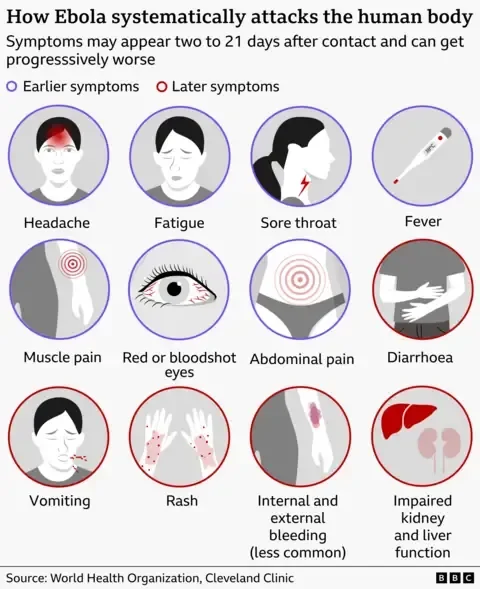
The Democratic Republic of Congo faces a grave public health emergency as multiple strains of the Ebola virus continue to assert their deadly presence. Four specific types of orthoebolaviruses – Ebola virus (EBOV), Sudan virus (SUDV), Taï Forest virus (TAFV), and Bundibugyo virus (BDBV) – are responsible for human illness, with current outbreaks underscoring the persistent threat. The World Health Organization (WHO) has officially recognized the gravity of the situation, escalating it to a public health emergency. Health officials are engaged in a frantic effort to trace potential contacts as the tally of suspected cases climbs.
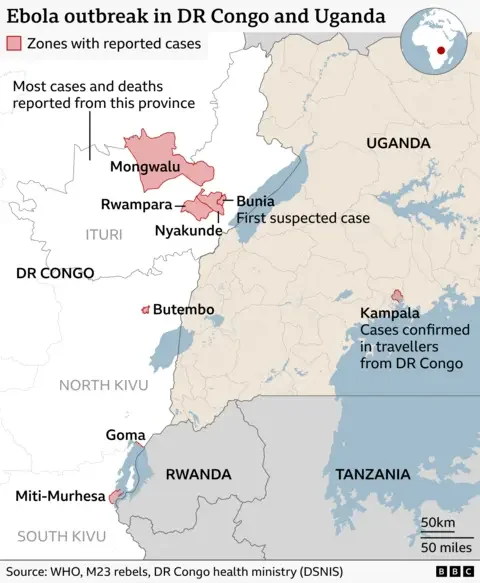
The virus's historical prevalence has largely been concentrated in western and central African nations, a pattern that continues to manifest in the current crisis. The WHO's declaration signifies a critical juncture, demanding urgent and coordinated responses to mitigate further spread.
Read More: India IVF Costs And Social Barriers Limit Access In April 2026
Understanding the Viral Threat
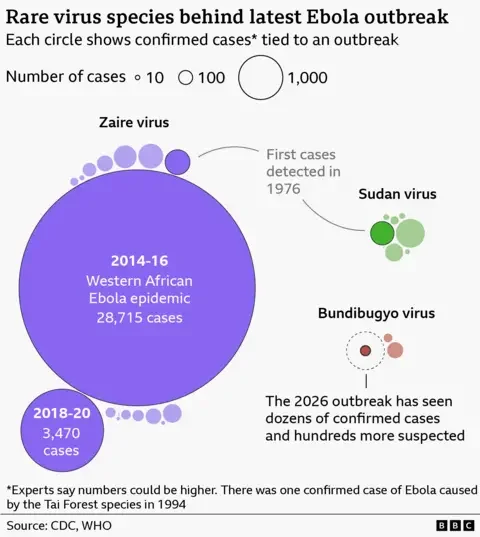
The group of viruses commonly known as Ebola viruses encompasses several species, including Ebola virus (EBOV), Sudan virus (SUDV), Taï Forest virus (TAFV), Reston virus (RESTV), Bundibugyo virus (BDBV), and Bombali virus (BOMV). While some of these have caused illness in humans, the current emergency is primarily driven by specific strains responsible for the ongoing outbreak.

The virus's ability to persist is a significant concern. Evidence suggests that the virus can continue to circulate within survivors. This persistent nature was highlighted in the past when, shortly after the WHO declared an end to transmission in western Africa, a new case surfaced in Sierra Leone. This underscores the complex nature of eradicating the virus and the need for sustained vigilance.
Containment Efforts Underway Amidst Obstacles
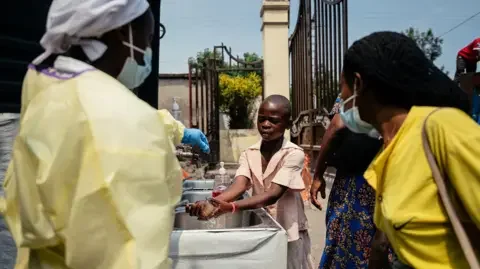
In response to the escalating crisis, measures are being implemented within the Democratic Republic of Congo (DR Congo) to tackle the outbreak. These efforts are crucial for curbing transmission and preventing further fatalities. Neighboring countries, including Rwanda, are also taking proactive steps to monitor the situation and safeguard their populations.
Read More: Fikra API Africa Mobile Money AI Access for Developers
The complexities of the current outbreak are multifaceted. Questions linger about the unique characteristics of this particular outbreak and the effectiveness of available countermeasures, such as vaccines. The involvement of rebel groups adds another layer of difficulty to containment operations, potentially impeding the free movement of health workers and essential resources.
Furthermore, shifts in US foreign aid funding have been cited by aid workers as a potential contributing factor to the challenges faced in combating the outbreak. The reduction in financial support could impact the capacity to implement critical public health interventions and bolster response mechanisms.
Read More: Georgia Toffolo's Lake Como Trip After Fertility Talks
Historical Context: A Recurring Shadow
Historically, Ebola outbreaks, cases, and deaths have predominantly been concentrated in western and central African regions. This recurring pattern points to endemic factors and vulnerabilities that necessitate ongoing research and intervention. Visualizations of these outbreaks, often presented through maps and charts, illustrate the geographic distribution and scale of past and present crises, aiding in the understanding of transmission dynamics and informing strategic responses. The persistence of the virus and its cyclical resurgence demand a continuous re-evaluation of control strategies and a deep understanding of its epidemiology.