The World Health Organization (WHO) has unveiled a $518 million six-month plan to combat a concerning Ebola outbreak, focusing on the Democratic Republic of Congo (DRC) and Uganda. The initiative, running from June to November, aims to bolster defenses against the Bundibugyo strain, a rare variant for which no approved treatment or vaccine currently exists.
The critical funding push seeks to address a significant gap, despite some initial pledges from various nations and organizations.
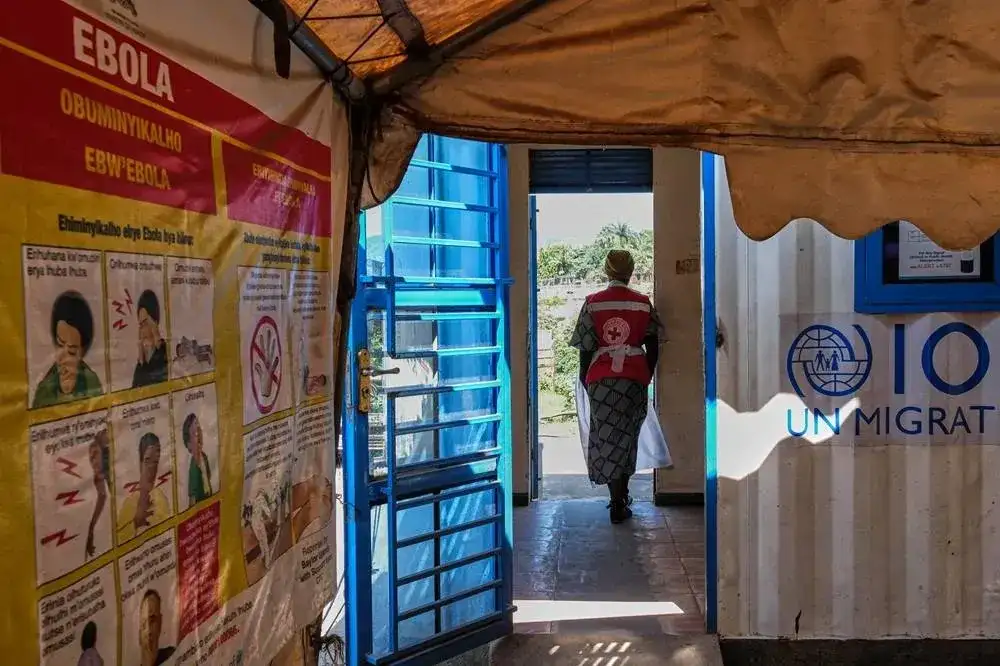
The strategy details a multi-pronged approach:
Vaccination drives to inoculate populations in affected areas.
Establishment and support of treatment centers to manage existing cases.
Robust contact tracing to identify and monitor individuals exposed to the virus.
Intensive community engagement efforts to foster trust and cooperation.
Enhanced cross-border surveillance to prevent further regional spread.
The urgency behind this substantial financial commitment stems from the declaration of the outbreak as a 'public health emergency of international concern' by the WHO, shortly after the Africa CDC announced the 17th Ebola outbreak in the DRC on May 15. As of the latest reports, the DRC has recorded 381 confirmed cases and 62 deaths.
Read More: India IVF Costs And Social Barriers Limit Access In April 2026
WHO Director-General Tedros Adhanom Ghebreyesus has characterized the situation as serious, emphasizing the need for immediate international support. He also highlighted that the plan leverages lessons learned from previous outbreaks and recent health crises. The organization has taken steps to mitigate security risks in the DRC, receiving three armored vehicles from the UN peacekeeping mission there.
This concerted effort involves collaboration with the Africa Centres for Disease Control and Prevention. Beyond the immediate containment in the DRC and Uganda, the plan includes measures to prepare neighboring countries through enhanced border screening and other preparatory actions. The Africa CDC noted that the epidemic persisted for weeks undetected, leaving health authorities struggling to regain control. The effectiveness of the pledged funds in meeting the six-month plan's specific requirements remains to be fully detailed.
Read More: Fikra API Africa Mobile Money AI Access for Developers