Rising Fears as Cross-Border Spread Confirmed
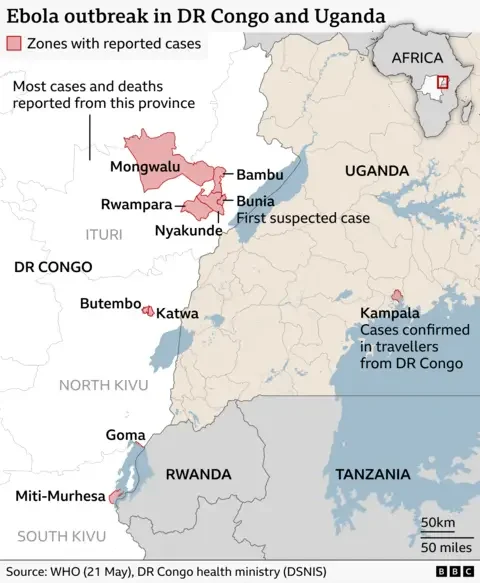
The Ebola outbreak in the Democratic Republic of the Congo (DRC) and Uganda has escalated, with the World Health Organization (WHO) declaring it a 'Public Health Emergency of International Concern.' The declaration follows a surge in suspected cases, now exceeding 1,100 across both nations, and concerns over cross-border transmission. This designation, the first of its kind by a WHO chief before an emergency committee convened, signals the gravity of the situation. As of Sunday, Africa CDC reported over 1,100 suspected cases and 246 suspected deaths under investigation across the two countries.
Confirmed Numbers Show Steady Increase
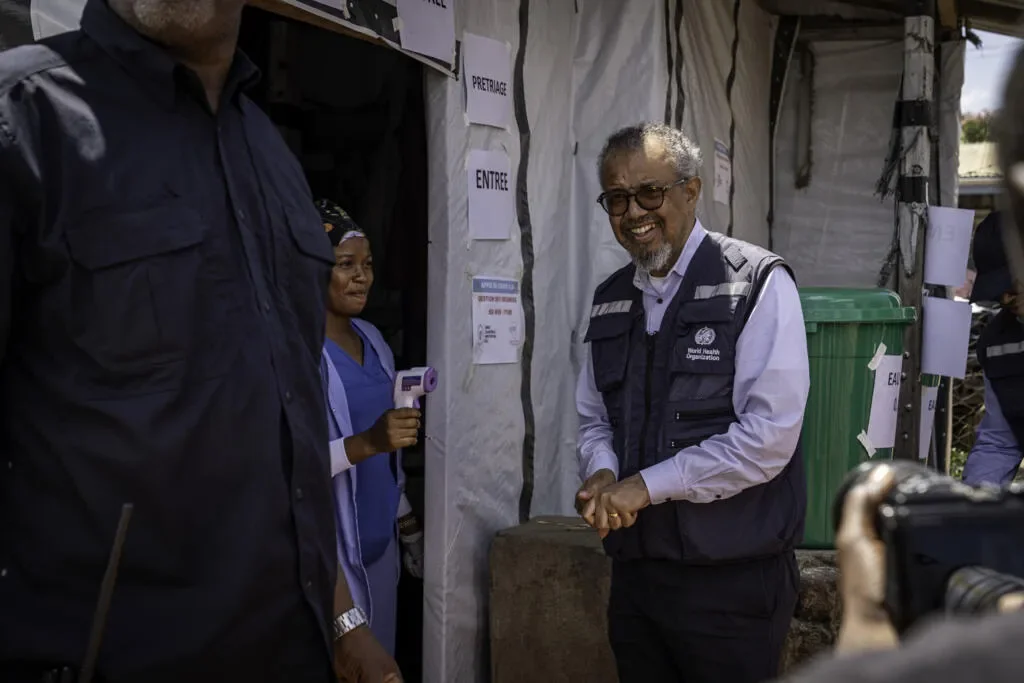
While suspected cases paint a stark picture, confirmed figures also indicate a significant spread. As of June 1, the DRC and Uganda Ministries of Health reported 321 confirmed cases in the DRC, with 48 confirmed deaths. Uganda, meanwhile, has recorded 11 confirmed cases, including one death, and one probable case with one probable death. These numbers are fluid, subject to ongoing investigation and reporting. The WHO's declaration highlights rising case counts, the movement of the virus across borders, and significant unknowns regarding the epidemic's full scope.
Read More: India IVF Costs And Social Barriers Limit Access In April 2026
Health Workers Among Victims, Raising Facility Concerns
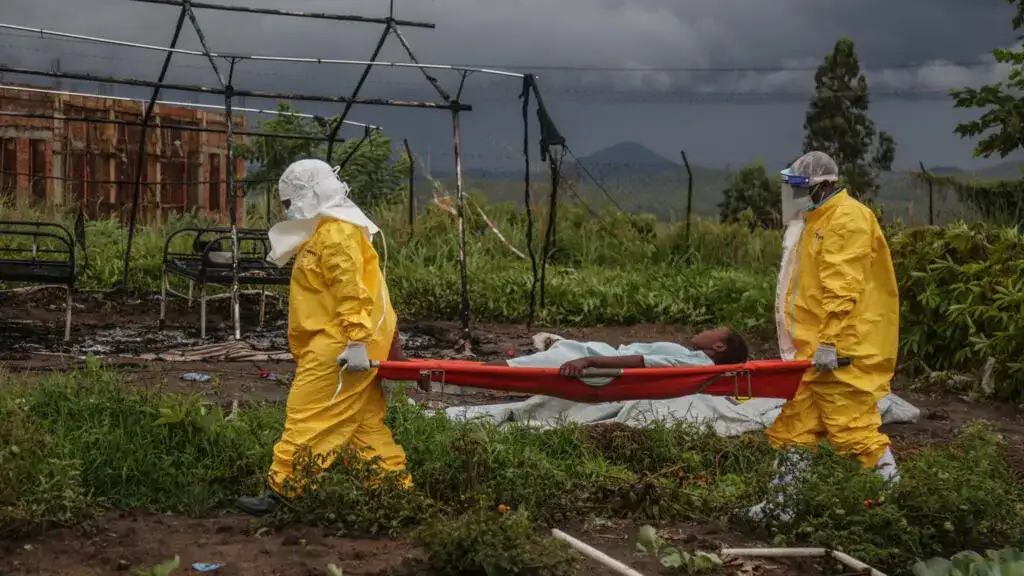
The virus has tragically impacted frontline health workers, with at least four deaths reported among them. This has amplified concerns regarding infection prevention and control measures within healthcare facilities. The emergence of Ebola in areas with high levels of insecurity and population movement, including refugee flows and gold mining operations, further complicates containment efforts. The WHO's Dr. Anne Ancia noted that investigations reveal the virus has spread to areas beyond initial expectations.
International Response and Public Health Alert
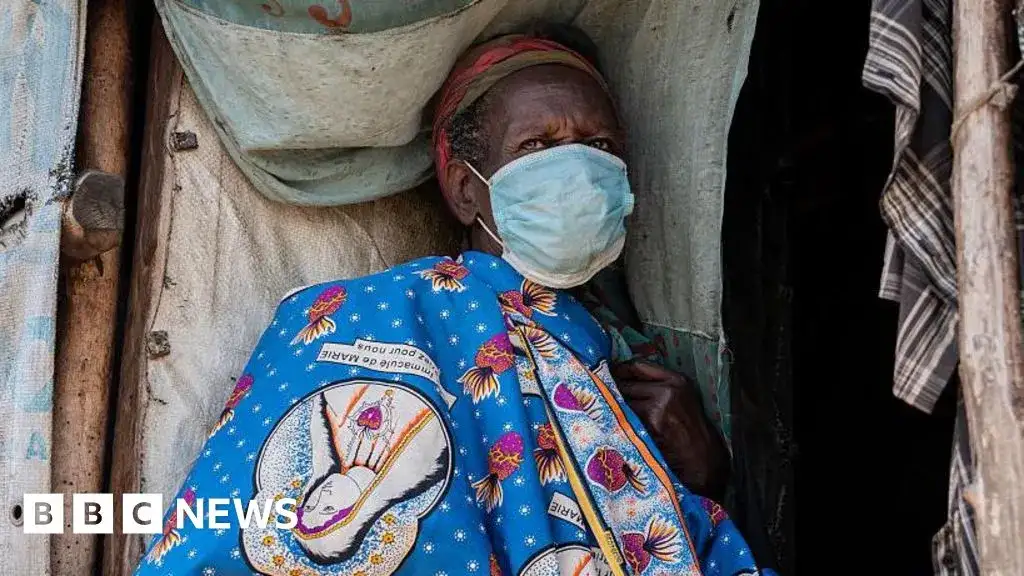
The WHO has triggered an international health alert, although it currently does not meet the criteria for a pandemic under international health regulations. Despite the risks, the WHO is not recommending international travel or trade restrictions. The United States has deployed a disaster response team to the affected regions. Efforts are underway, including sample testing at laboratories like the National Institute for Biomedical Research in Bunia, DRC, to track and understand the outbreak.
Read More: Fikra API Africa Mobile Money AI Access for Developers
Background
This outbreak has drawn comparisons to previous Ebola emergencies, prompting swift action from health agencies. The Centers for Disease Control and Prevention (CDC) is actively involved in the response. The first suspected case emerged on April 24, reportedly a health worker. The situation remains dynamic, with ongoing updates from national health ministries and international organizations. Reports have also surfaced regarding public reactions in Kenya to a proposed US Ebola quarantine center.