

Mogul Defends Billionaire's Luxury Abode Amidst Shifting Fiscal Policies
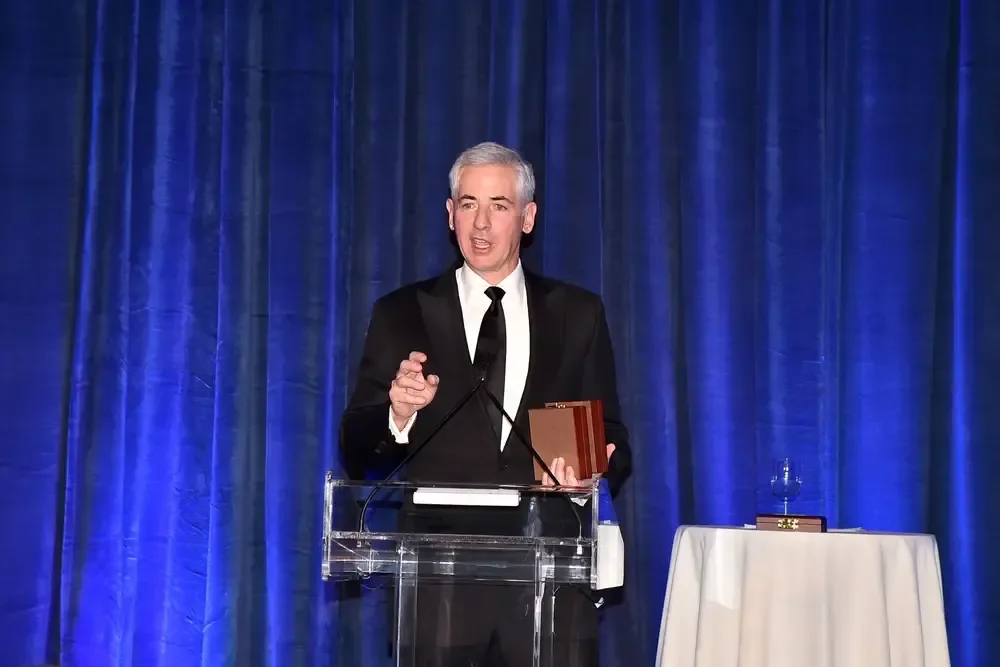
Billionaire Bill Ackman has stepped forward to publicly defend Ken Griffin's opulent $238 million penthouse at 220 Central Park South, amidst mayoral candidate Zohran Mamdani's proposals for property tax reforms. Ackman contends that Griffin's acquisition should be lauded, not taxed further, suggesting a broader celebration of such high-value transactions. This intervention comes as Mamdani, a self-described democratic socialist, targets a revamped tax structure that could significantly impact high-net-worth individuals and their considerable real estate holdings in New York City.
The core of the dispute centers on Mamdani's broader agenda to overhaul the city's property tax system, a plan that explicitly analyzes properties like Griffin's penthouse. This initiative, if enacted, could fundamentally alter tax burdens across diverse neighborhoods, from Staten Island to Manhattan's "Billionaire's Row." Tax specialists generally acknowledge that the existing system disproportionately benefits affluent enclaves, a pattern Mamdani aims to disrupt.
Read More: FIFA World Cup 2026 Revenue Reaches $15 Billion With New Ticket Prices
A Millionaire's Crusade Against a Socialist Agenda
Ackman's defense of Griffin's prime real estate comes after his considerable, albeit unsuccessful, efforts to prevent Mamdani's rise. In the preceding months, Ackman pledged to finance any mayoral contender capable of ousting Mamdani, channeling "hundreds of millions of dollars" alongside wealthy associates. His activism extended to sharing posts critical of Mamdani's stances on issues such as defunding the NYPD and his pro-Palestine remarks.
Despite Ackman's significant financial backing of anti-Mamdani campaigns – reportedly totaling over $2 million in his bid to defeat the candidate – Mamdani ultimately secured victory in the mayoral election held on November 5, 2025. Ackman eventually offered a subdued congratulatory message to the mayor-elect. Mamdani, notably, once quipped that Ackman's expenditures to thwart his campaign might exceed the taxes he would levy.
The Numbers Behind the Fight
Mamdani's ascent was met with substantial financial opposition from various prominent figures. Beyond Ackman's direct investment, other billionaires, including David Walentas, Reed Hastings, John Fish, Alice Walton, and members of the Lauder and Durst families, also contributed to campaigns and groups opposing Mamdani. These efforts collectively represent a significant financial push against Mamdani's political platform.
Read More: Donna Kelce arrives in NYC for Taylor Swift wedding on April 7 2026
Mamdani, an Indian-American who made history as the first South Asian and Muslim to lead the mayoral race as a frontrunner, has consistently positioned himself against the interests of established wealth. His campaign narrative frequently involved confronting the city's influential business leaders, many of whom backed his rivals.
Background on the Tax Debate
The debate over property taxes in New York City is a persistent one, often pitting advocates for fiscal equity against defenders of existing economic structures. Critics, including those like Sebastian Hallum Clarke, a Google Maps product manager who has studied the city's tax framework in his personal time, point to disparities that favor areas like the Upper East Side and Park Slope. Mamdani's proposed reforms seek to address these long-standing inequities, potentially rebalancing the tax load across the city.
Read More: Hunter Region Gets $12 Billion Train Factory
Griffin's own spokesperson declined to comment on the specific tax proposals. However, the focus on his penthouse highlights the stark contrast between the city's most expensive residential property and the broader concerns of taxation and affordability.


:max_bytes(150000):strip_icc():focal(799x0:801x2)/nyc-sky-taylor-swift-travis-kelce-wedding-070326-2dc0d912004b400eac2c8c8b5adeff2a.jpg)


