MEDICAL PROFESSIONALS IN SEVERAL NATIONS LAUNCH STRIKES
Strikes involving doctors and healthcare staff are erupting globally, signaling widespread discontent with working conditions, pay, and systemic pressures within national health services.
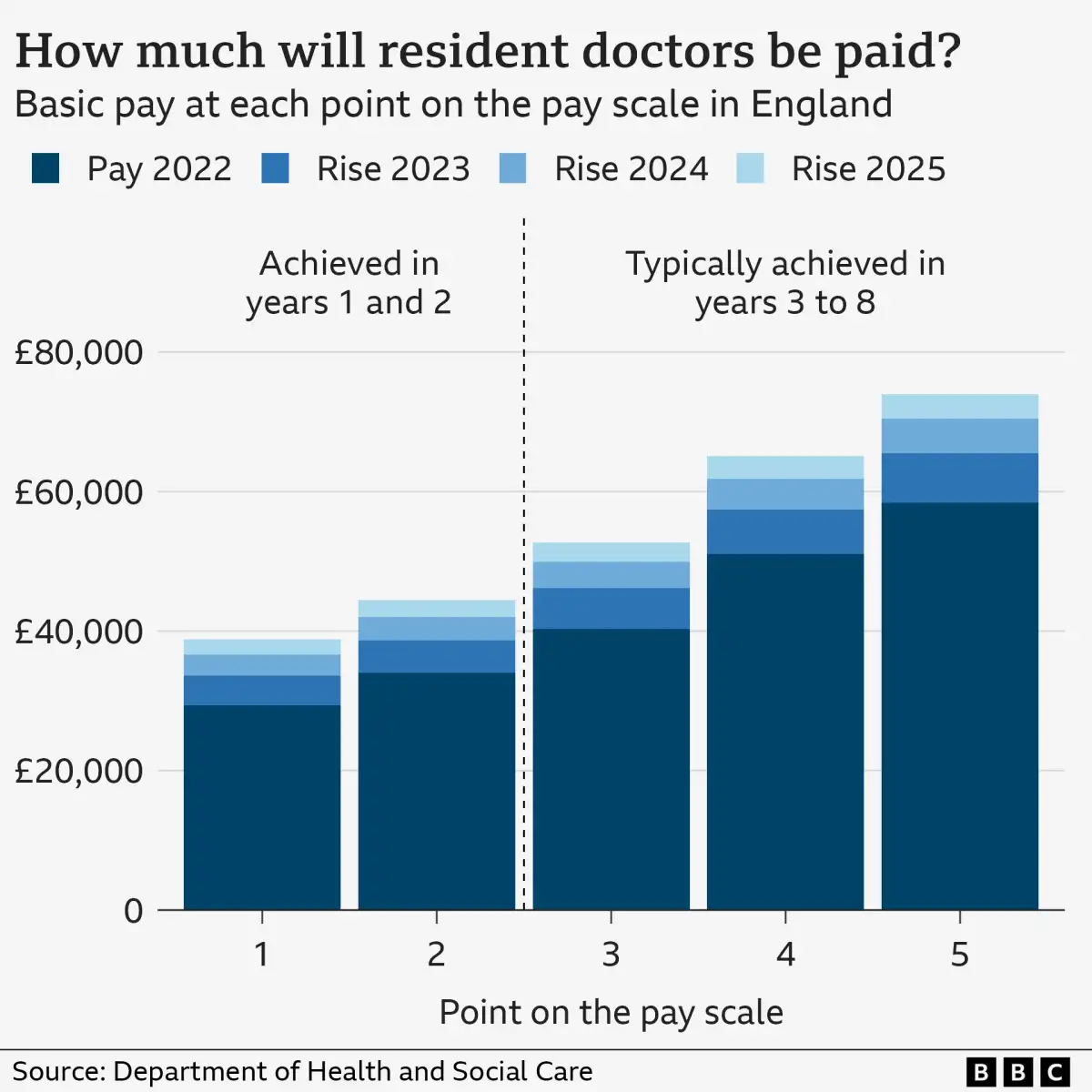
In England, thousands of resident doctors, who constitute roughly half of the National Health Service (NHS) workforce, have commenced a five-day walkout. This industrial action, focused on disputes over pay and jobs, began on December 17, 2025, following the breakdown of talks between the government and the British Medical Association (BMA). Health leaders have cautioned that the continued disruption could lead to staff cuts and a reduction in patient appointments and operations. Previous resident doctor strikes have resulted in the cancellation or rescheduling of over 54,000 procedures and appointments.

Meanwhile, in France, unions are mobilizing doctors to strike over a controversial new bill mandating that new medical professionals work in designated ‘medical deserts’. This action, set to heavily impact non-urgent healthcare access, is planned for April 29, 2025, with significant demonstrations anticipated.
Read More: NHS official Ms. Jones steps back from Palantir contract on 7 April 2026
In Sri Lanka, the Government Medical Officers' Association announced an island-wide strike commencing October 31, 2025. Doctors at all government hospitals are participating in this trade union action, citing "serious problems in the health system." The association has indicated a willingness to reconsider the strike if health authorities offer a reasonable solution.

Back in India, specifically Karnataka, doctors and healthcare staff from the Health and Medical Education Department are initiating a phased strike. The first phase, running from March 11 to March 15, involves staff wearing black badges and attending only to emergency services. This is to be followed by an indefinite strike starting March 16, during which Out-Patient Department (OPD) services will be suspended.
GLOBAL CONCERNS ECHOING SIMILAR GRIEVANCES
The wave of strikes underscores a complex interplay of issues. In England, while the government asserts that the strikes will hurt patients, the BMA points to legitimate concerns regarding access to specialty training places, as well as pay. Prime Minister Keir Starmer has publicly urged the striking doctors to return to work.
Read More: Nations Championship rugby starts 7 April 2026 with new point system
The French action highlights a policy-driven conflict, aiming to address geographical disparities in medical provision, a move that has galvanized significant opposition.
The Sri Lankan and Indian strikes appear to be driven by a broader set of "serious problems in the health system" and "long-pending demands," respectively, indicating systemic failures that necessitate widespread industrial action to gain attention.
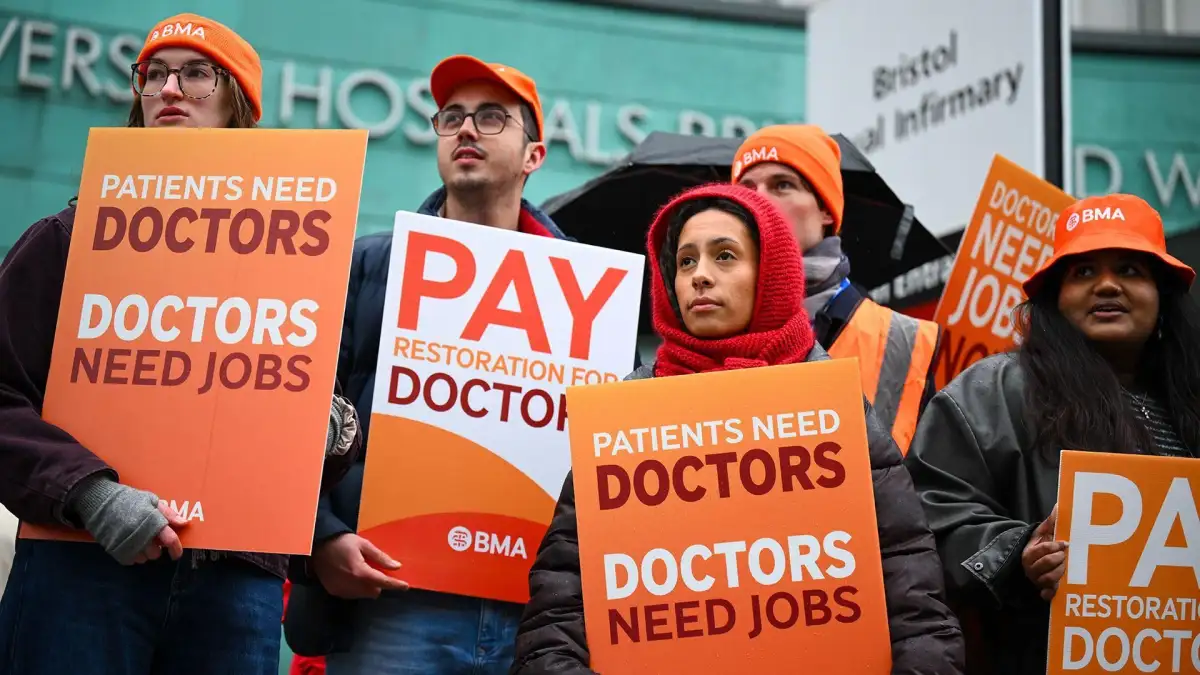
The BMA in England noted that fewer than half of its resident doctor members, and only a third of all resident doctors, voted for strike action in previous instances.
The recurring nature of these strikes suggests a persistent tension between healthcare providers' demands for improved working conditions and remuneration, and the often strained financial and policy landscapes within which national health services operate. The impact on patients, particularly those requiring non-urgent care or scheduled procedures, remains a significant consequence of these industrial disputes.
Read More: Scotland Kidney Policy Changes Cause Patient Worry