The Quantum Market Expands, Bringing Complexity and Accessibility
The once-distant promise of quantum computers is now a tangible reality, with companies like Qilimanjaro offering DIY kits and other entities making quantum processing accessible through cloud platforms and specialized hardware. This shift, marked by products like Qilimanjaro's EduQit, which features a superconducting circuit chip, aims to democratize access, particularly for research institutions struggling with resource limitations. The availability of these devices, some requiring cryogenic cooling, signals a new phase in computing where complex quantum mechanics is no longer confined to specialized laboratories.

The market now presents a layered approach to engaging with quantum technology:
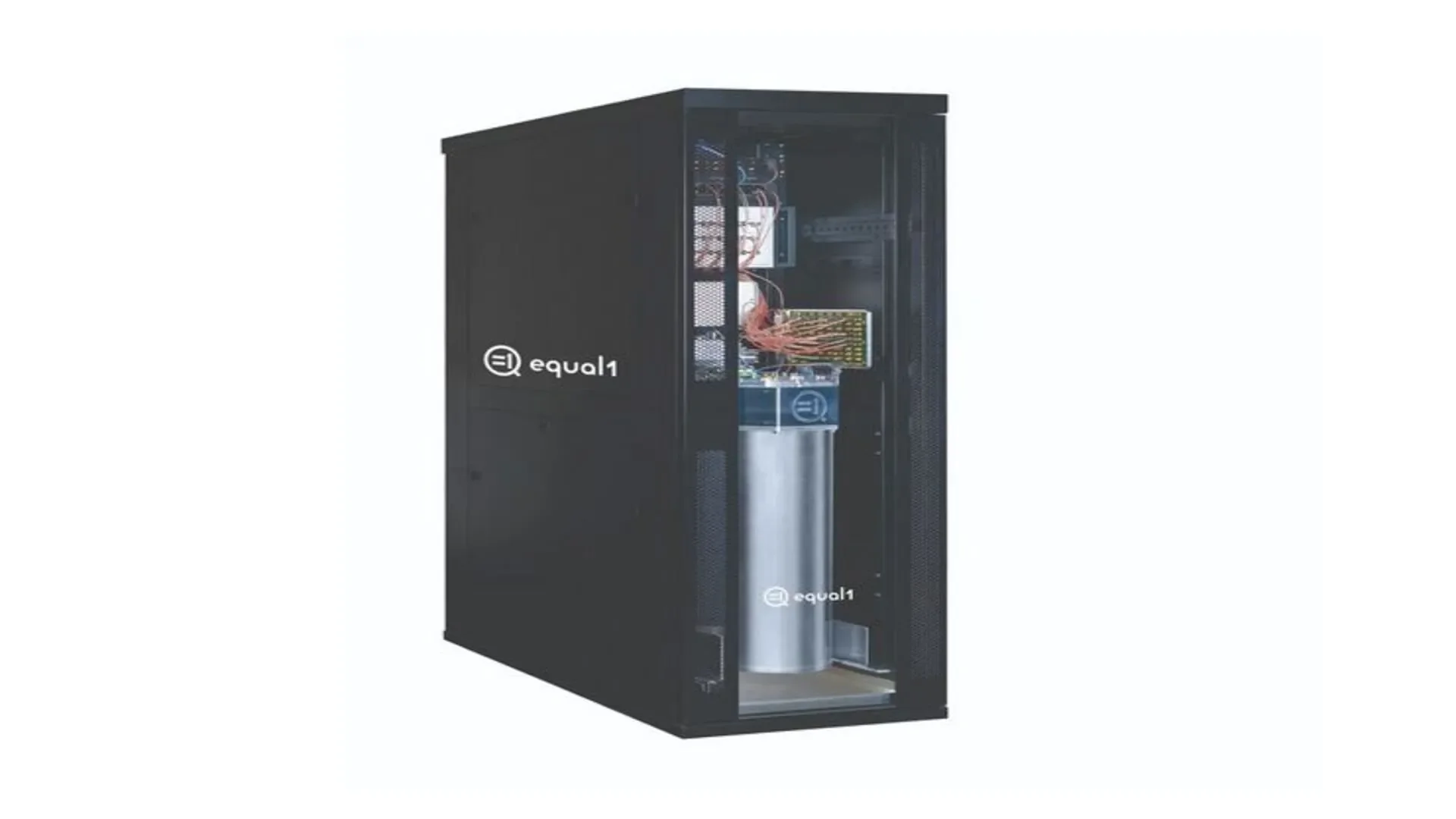
Direct Purchase: Companies like Qilimanjaro are offering physical quantum computer kits, exemplified by the EduQit, designed for hands-on learning and experimentation. This allows users to interact directly with the hardware, albeit with the inherent challenges of protecting and controlling delicate quantum states.
Cloud-Based Access: For those not ready for direct hardware ownership, numerous providers offer cloud services. These include:
Microsoft Azure Quantum: A comprehensive platform integrating programming tools, simulators, and access to actual quantum hardware.
Amazon AWS Braket: Another service facilitating access to quantum processing units.
Rigetti's Quantum Cloud Services: Offering a hybrid quantum-classical computing approach.
IBM Quantum Experience: Providing access to real quantum hardware for users to run algorithms.
Google Quantum AI: While not selling direct hardware, they offer cloud-based access via their Cirq framework.
DIY Simulators & Educational Tools: Projects like the one on Hackaday.io showcase the creation of "DIY budget quantum computers" using readily available components and microcontrollers like the Raspberry Pi Pico. These devices, while not performing complex computations, can execute specific experiments like spin echo, offering a practical introduction to quantum phenomena. Similarly, frameworks like Qiskit enable users to program quantum computers remotely, fostering wider engagement.
The Evolution of Quantum Hardware and Accessibility
The current landscape of quantum computing hardware is diverse, ranging from superconducting circuits to trapped-ion technologies. Companies such as SpinQ offer a spectrum of solutions, including education-grade and industrial-grade systems, along with chips and cloud platform services. Quantinuum, a merger of Honeywell Quantum Solutions and Cambridge Quantum, focuses on trapped-ion quantum computers.
Read More: Microsoft Invests $10 Billion in Japan for AI and Data Security by 2029
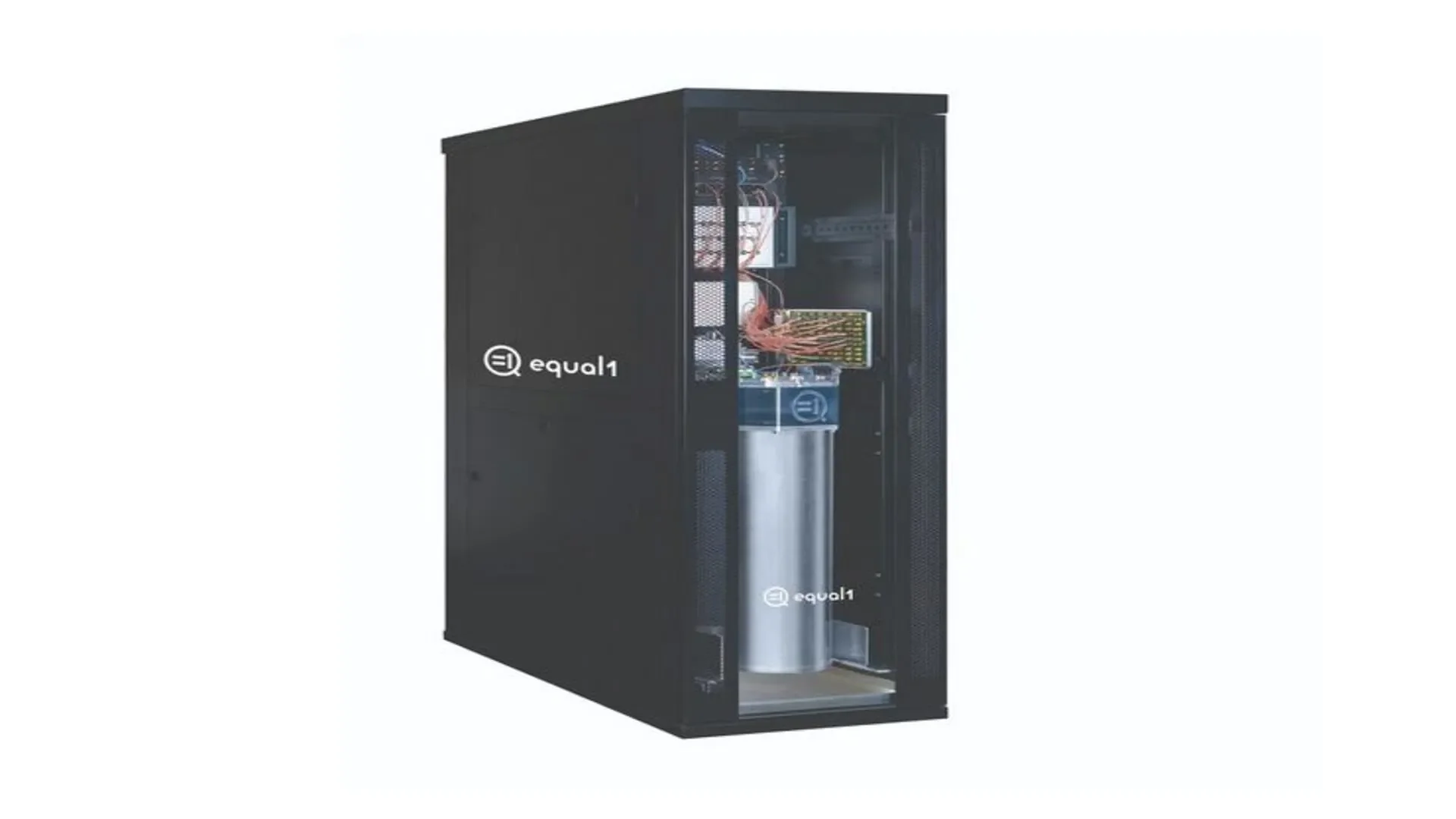
The accessibility of quantum computing is further underscored by the emergence of more integrated solutions. A report from March 2025 highlighted the advent of a "plug-and-play quantum computer" capable of operating at extremely low temperatures (-272.85 degrees Celsius) with standard power outlets.
Understanding the Quantum Paradigm
At its core, quantum computing diverges from classical computing by utilizing 'qubits' instead of bits. Qubits leverage quantum phenomena such as superposition and entanglement to perform calculations, offering the potential for exponential speedups in specific computational tasks. The ability to process information in ways impossible for classical computers, demonstrated through algorithms like the Deutsch-Josza algorithm, is a key driver behind the development of this technology. The increasing availability of these machines, whether through purchase or cloud access, fuels the notion that broader experimentation is crucial for uncovering answers to the many open questions surrounding the future of quantum computing.
Read More: Artemis II astronauts share first Earth photos from moon journey
Background:
The journey from theoretical concept to purchasable device has been ongoing for years. Early efforts focused on understanding the fundamental principles and building rudimentary systems. The availability of cloud platforms has been a significant step in broadening access, allowing researchers and enthusiasts to experiment without the immense cost and complexity of building their own hardware. The emergence of DIY kits and more user-friendly educational tools signifies a deliberate effort to lower the barrier to entry, encouraging a wider community to engage with and contribute to the field. This proliferation of quantum computing options, from simulators to full-fledged machines, marks a pivotal moment in technological advancement.