Desmond Morris, the zoologist and artist whose 1967 book The Naked Ape cast a controversial lens on humanity's persistent animalistic behaviors, has died at the age of 98. His passing was confirmed by his son, Jason Morris, who described his father's life as a "lifetime of exploration, curiosity and creativity."

Morris, who continued to paint and write until his final days, established a dual career, blending scientific inquiry with artistic expression. His academic pursuits delved into animal behavior, particularly ethology, the study of animal conduct, influenced by pioneers in the field. This scientific foundation informed his popular works, which often examined human actions through an evolutionary and biological framework.

A Life Bridging Science and Art
Morris's career, marked by numerous solo exhibitions of his art internationally, also included significant contributions to television. He hosted series such as Life in the Animal World and The Human Race, aiming to demystify zoology for a wider audience, often drawing parallels with contemporary figures like David Attenborough, another prominent broadcaster who brought natural history to the forefront.
Read More: Peabo Bryson, singer of famous duets, dies at 77
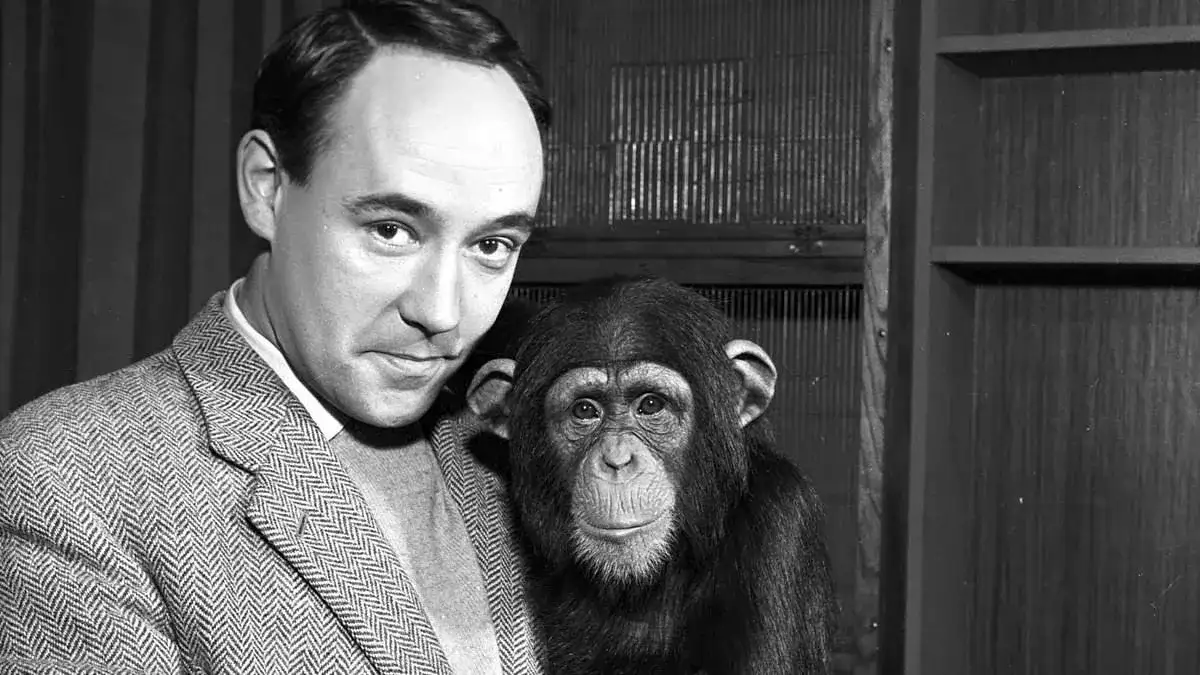
His research included a period as curator of mammals at London Zoo, an experience that directly fed into his observational studies of human behavior. Morris argued that urbanization had exacerbated certain human traits, framing modern societal divisions as the echo of prehistoric hunting dynamics. He even engaged in a notable instance of "panda diplomacy," attempting to facilitate breeding between pandas from Moscow and London during the Cold War, an effort that ultimately proved unsuccessful.
Academic Roots and Popular Impact
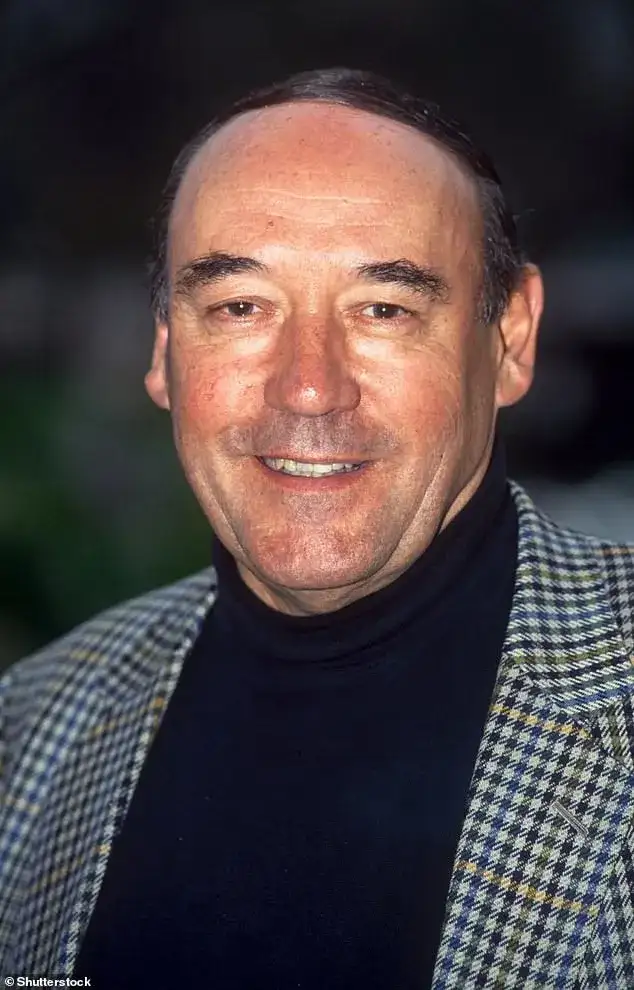
Morris began his formal scientific education at the University of Birmingham, later completing a doctorate at Oxford University, where his research focused on animal reproductive behavior, particularly that of birds. His seminal work, The Naked Ape, written in an intense four-week period, proposed that despite societal advancements, humans remained fundamentally driven by primal, ape-like instincts. This book, along with subsequent works like Man Watching and The Human Animal, cemented his reputation as a keen observer of human nature, albeit one who frequently courted debate with his unflinching, biological perspective. His artistic endeavors, often described as surrealist, were exhibited alongside renowned artists such as Joan Miró.
Read More: Indigenous Data Rights Now Key in Conservation Genomics