


Brands face a new battlefield for attention: AI-generated answers. The very nature of digital discovery is warping as large language models (LLMs) increasingly provide direct responses, potentially sidelining traditional website traffic. This emergent landscape, dubbed 'LLM SEO', demands a critical re-evaluation of how brands establish and measure their online visibility. The core challenge lies in ensuring a brand appears prominently and is accurately cited within these AI-driven answer engines.
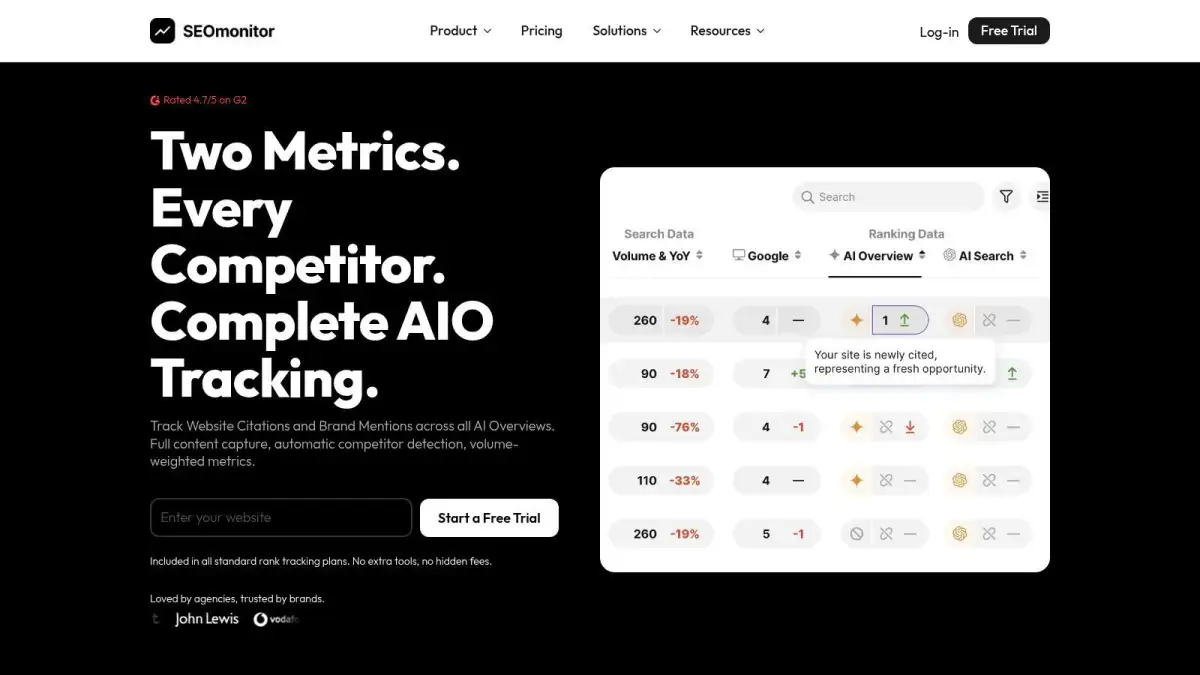
==The urgency is palpable. A shift towards LLM-driven information retrieval means that even if a brand is mentioned positively in an AI-generated answer, users might not click through to its website. This phenomenon is causing "analytics [to] tell a story of decline, while your brand influence is actually exploding," according to one analysis. Measuring this 'LLM visibility' is becoming paramount, focusing on the influence a brand creates rather than just raw clicks.==
Read More: Semrush AI Search Tracking Faces Questions in 2026
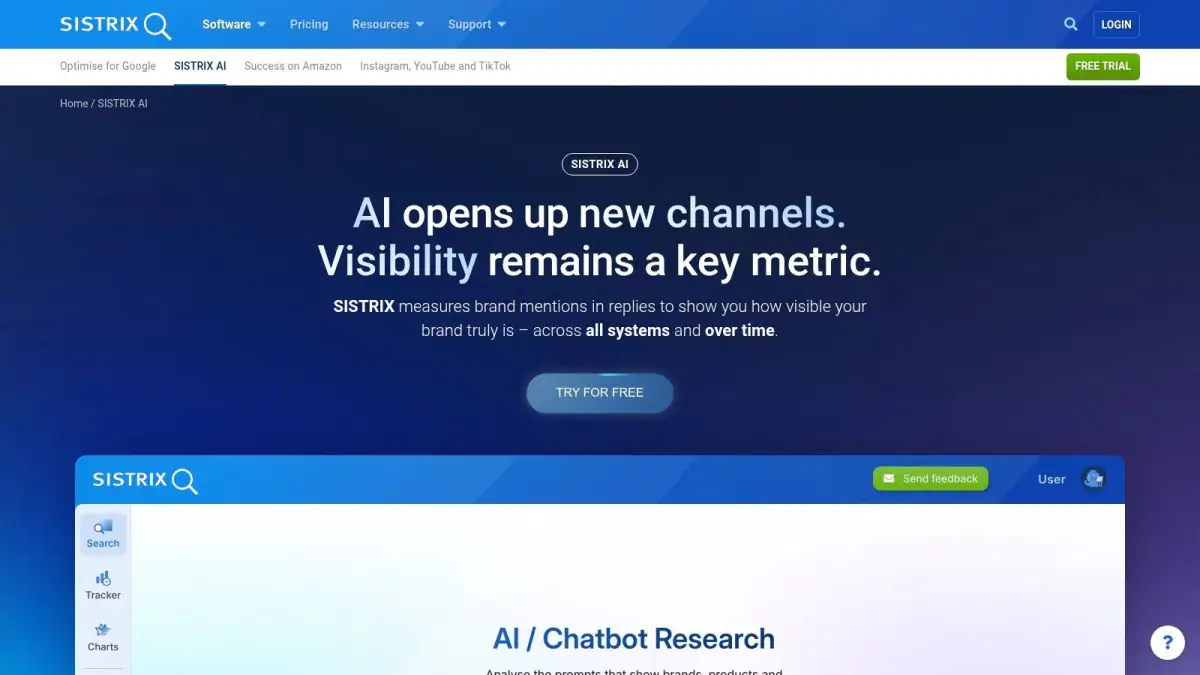
The Dawn of LLM Visibility Metrics
Recent publications highlight a growing awareness of this paradigm shift. Several sources, appearing in late 2025 and early 2026, underscore the need for dedicated strategies to track and enhance a brand's presence within LLM outputs. This involves understanding how AI systems process and present information, moving beyond traditional keyword optimization.
What is LLM SEO? It's the practice of making content discoverable and prominent within AI-generated answers. Indexing and strategic content placement are key.
Why Audit LLM Visibility? To understand how AI perceives and utilizes brand content, and to ensure a brand isn't fading into obscurity as user interaction patterns change.
Measuring the Invisible: Traditional metrics like organic traffic and branded search volume may offer only partial insights. New approaches focus on brand mentions within AI responses and the influence generated by this visibility.
Tools and Techniques Emerge
As the importance of LLM visibility crystallizes, a new suite of tools and analytical frameworks is beginning to appear. These aim to quantify and improve a brand's standing in AI search results.
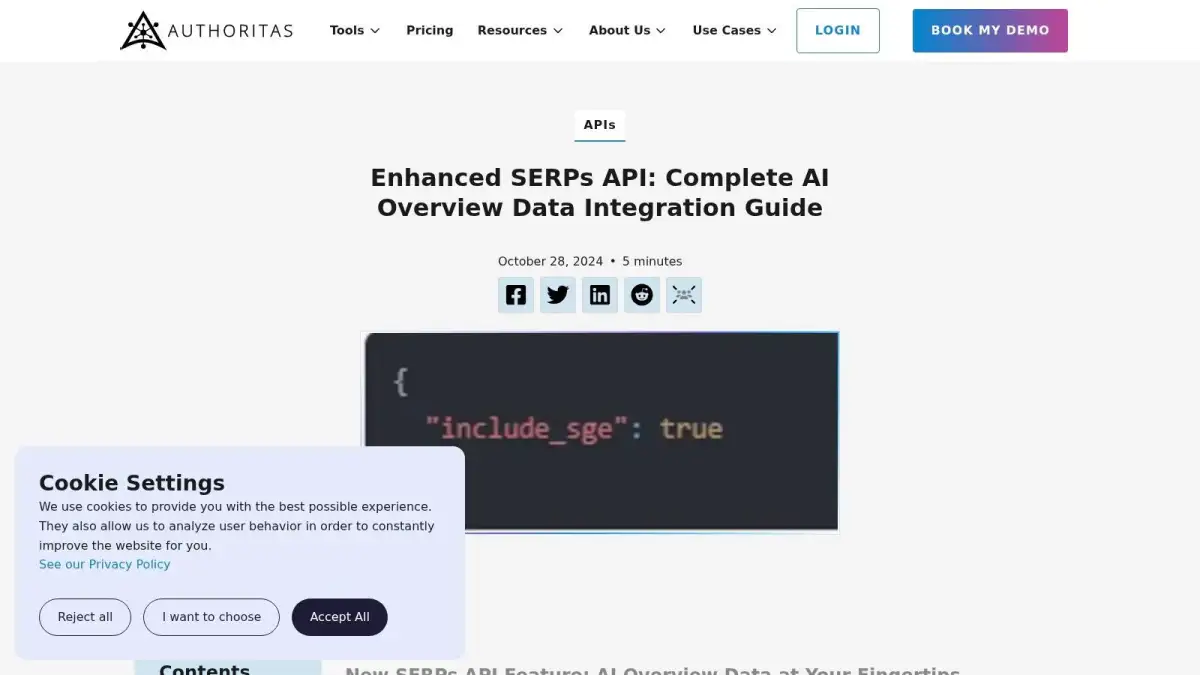
Onsite Optimization: Strengthening owned content is a foundational step, making it more digestible for AI systems.
Visibility Tracking: Tools are emerging that monitor how often and how prominently a brand appears across various LLM platforms, including ChatGPT, Perplexity, Claude, and Gemini. Some specifically track citations and AI-generated recommendations.
Content Strategy: Creating content designed for automated extraction, using clear titles and incorporating relevant keywords, is crucial. The aim is for AI models to associate a brand with specific concepts.
LLM SEO and Traditional SEO: A Symbiotic Relationship?
Despite the rise of LLM-driven answers, traditional Search Engine Optimization (SEO) is not being rendered obsolete. Instead, a more complex, integrated approach seems to be forming.
LLM SEO and Traditional SEO Work Together: Traditional search rankings appear to inform the retrieval processes of LLMs, suggesting a continued reliance on established SEO practices.
Balancing Approaches: Brands are advised not to abandon existing SEO efforts but to supplement them with strategies tailored for LLM consumption. This means understanding how AI systems interpret content and intentionally structuring it for better surfacing.
Background: The Unfolding AI Search Revolution
The rapid integration of AI into search engine results pages (SERPs) marks a significant evolution in how users access information online. Platforms like Google with its 'AI Overviews' and conversational AI interfaces like ChatGPT are fundamentally altering user behavior. Instead of presenting a list of links, these AI-first interfaces directly answer queries. This has led to a discourse around the potential decline of direct website traffic for many businesses, necessitating new methods for maintaining and measuring online presence. The ongoing development and refinement of these LLM technologies are creating a dynamic environment where established digital marketing strategies must adapt to remain effective.
Read More: Chrome mimeHandler API lets extensions handle file types




