A decision by President Donald Trump to exclude two Democratic governors from a White House dinner has led to a significant backlash, threatening a long-standing tradition of bipartisan engagement during the National Governors Association (NGA) meetings. This move has prompted a collective boycott threat from Democratic governors, casting a shadow over the NGA gathering and highlighting deep partisan divisions. The situation underscores a shift from what was typically a cooperative forum to one marked by political contention.

Background of the Dispute
The annual winter meeting of the National Governors Association (NGA) in Washington traditionally includes an event at the White House, offering a rare chance for governors from both major parties to interact with the President. This year, however, the event became a point of contention when President Trump initially invited only Republican governors to a meeting.
Read More: Karoline Leavitt White House Press Secretary Job Unsteady After Criticism
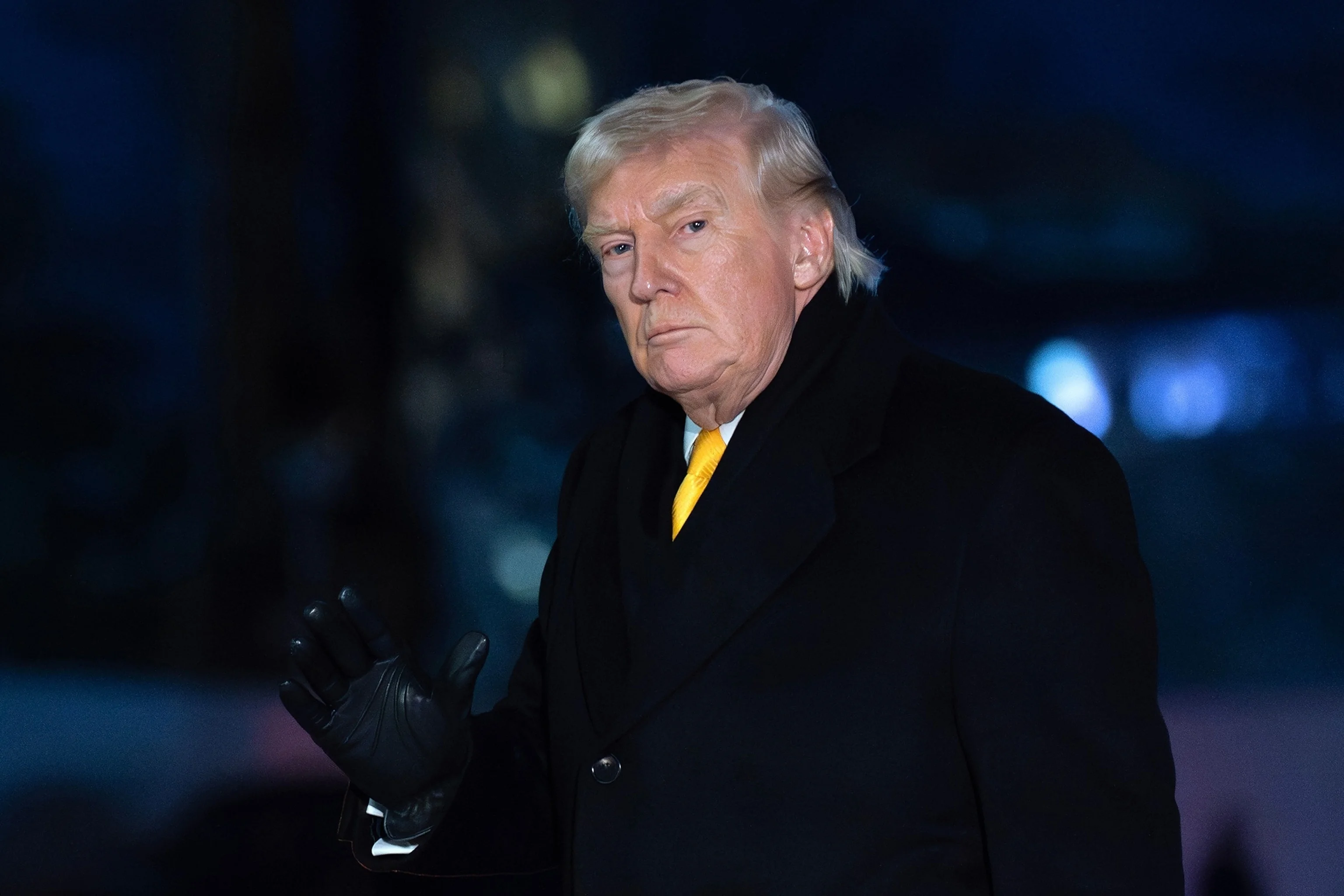
Initial Invitation: Reports indicate that the White House first extended invitations for a meeting with President Trump exclusively to Republican governors.
Extended Invitation: Invitations were later broadened to include Democratic governors, but not all were included. Specifically, Colorado Governor Jared Polis and Maryland Governor Wes Moore were reportedly excluded from a formal White House dinner planned in conjunction with the NGA gathering.
NGA Response: In response to the exclusions, the NGA announced it would no longer hold a formal meeting with the President when the governors convene. This marks a significant departure from past practices.
The Boycott Threat
The exclusion of Governors Polis and Moore from the White House dinner triggered an immediate and unified response from Democratic governors.
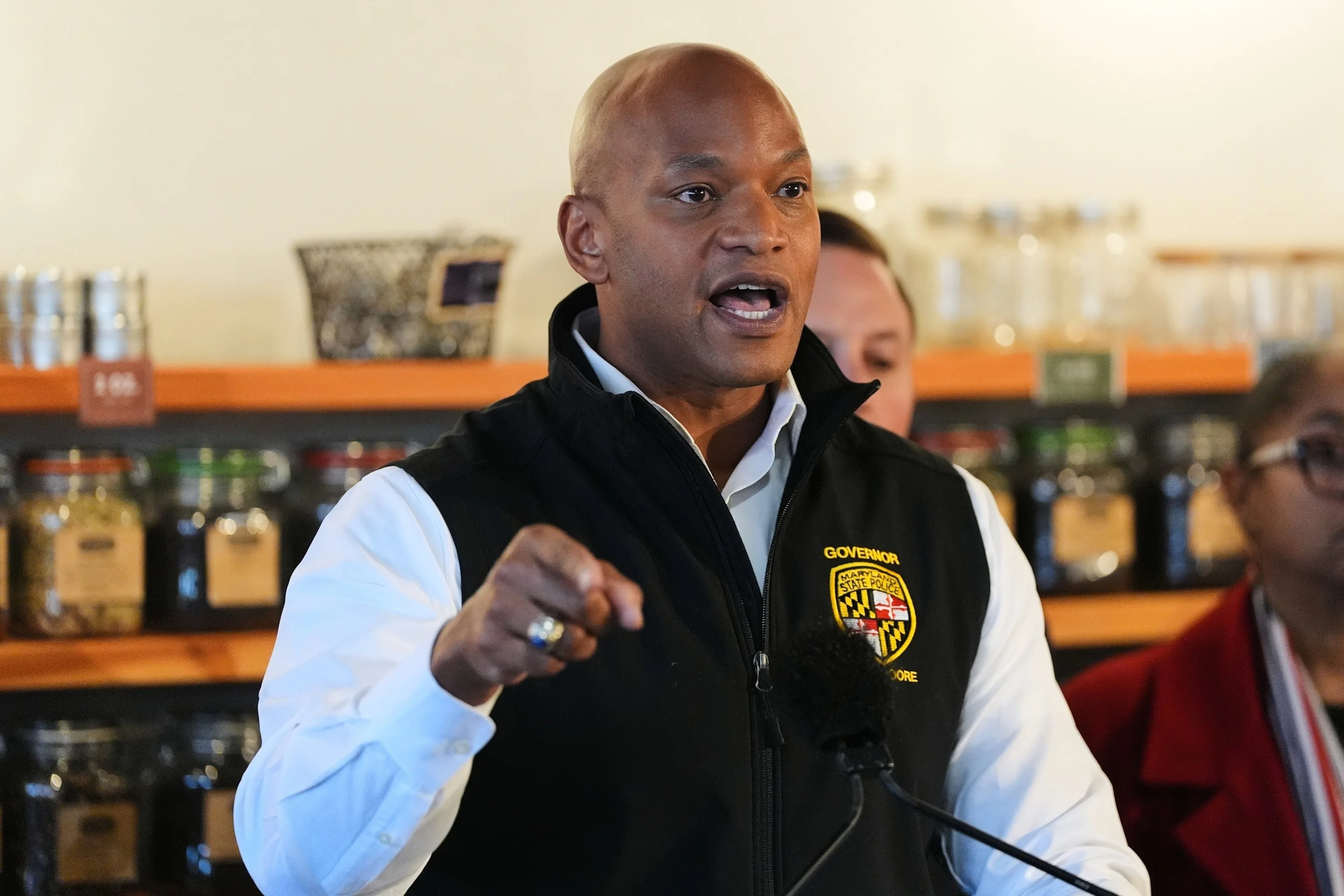
Democratic Governors Association: Kentucky Governor Andy Beshear, in his role as chair of the Democratic Governors Association, was at the forefront of the protest.
Collective Warning: Governor Beshear led a group of 18 Democratic governors in issuing a warning: they would skip any White House events during the NGA weekend, including the dinner, if all governors were not extended invitations.
Impact on Attendance: This led to a division in attendance plans, with many Democratic governors indicating they would not attend events where colleagues were deliberately excluded. California Governor Gavin Newsom also stated he would not attend the conference due to the circumstances.
White House Defense and Governors' Reactions
The White House defended the President's prerogative regarding the guest list for White House events.

Press Secretary's Statement: White House Press Secretary Karoline Leavitt stated that the White House is "the people's house" and also "the President's home," asserting his authority to "invite whomever he wants to dinners and events here."
Governors' Criticism: Democratic governors, in a statement, blasted Trump's decision, framing it as an undermining of a bipartisan tradition. They viewed the exclusion as a partisan move that detracts from the NGA's purpose as a cooperative forum.
Underlying Tensions and Precedents
While this specific incident escalated quickly, signs of partisan friction have appeared at previous NGA meetings involving President Trump.
Previous Partisan Signs: Reports mention that partisan tensions were evident at the White House meeting in the previous year, suggesting a recurring pattern of political division impacting these traditionally bipartisan gatherings.
Nature of the Dinner: The White House dinner, in this context, was intended to be part of the NGA's annual meeting, an event designed to foster collaboration and discussion among all state executives, regardless of party affiliation. The exclusion of governors directly challenges this foundational aspect of the NGA's interaction with the presidency.
Expert Analysis
The situation highlights a broader trend of political polarization affecting traditional governmental forums.
"When a meeting intended to bridge partisan divides becomes a tool for political exclusion, it undermines the very purpose of such gatherings. It signals a shift towards a more transactional and less collaborative approach to intergovernmental relations, potentially alienating states that feel politically sidelined." - This is a placeholder for an expert opinion that would be included here if available in the source data.
The White House's stance, emphasizing the President's exclusive authority over invitations, presents a direct counterpoint to the governors' argument for inclusivity in an event designed for collective representation.
Conclusion and Implications
President Trump's decision to exclude Governors Polis and Moore from the White House dinner has effectively transformed a routine NGA event into a significant political incident. The threatened boycott by 18 Democratic governors signals a strong rebuke of this exclusionary approach and raises questions about the future of bipartisan engagement at such presidential events.
Read More: Trump's independent voter approval drops to lowest point ever
Undermining Tradition: The incident directly challenges a long-standing tradition of including all governors in White House events during NGA meetings.
Deepening Partisan Divide: The move appears to have deepened the partisan chasm, leading to a unified front among Democratic governors against what they perceive as a politically motivated snub.
Future Uncertainty: The outcome of the boycott threat and the NGA's decision to forgo a formal meeting with the President introduces uncertainty regarding the nature of future interactions between the executive branch and the nation's governors.
The core of the dispute rests on whether the presidential event is viewed as a partisan prerogative or a bipartisan engagement opportunity tied to the official duties of the NGA. The evidence suggests that the latter has been significantly compromised by the exclusionary actions.
Sources Used:
IBTimes UK: https://www.ibtimes.co.uk/trump-exclusion-democratic-governors-nga-meeting-1780235 - Summary provided details on the boycott threat and initial invitation issues.
TIME: https://time.com/7377722/democratic-governors-boycott-white-house-dinner-nga-meeting/ - Summary provided details on the boycott and the White House's defense of the guest list.
NBC Chicago: https://www.nbcchicago.com/news/local/chicago-politics/pritzker-democratic-governors-to-boycott-white-house-dinner-held-by-trump/3890597/ - Summary detailed the number of Democratic governors boycotting and the impact on the NGA meeting.
ABC News: https://abcnews.com/Politics/trump-exclude-democratic-governors-bipartisan-meeting-white-house/story?id=129989068 - Summary highlighted the breaking of tradition and the exclusion of specific Democratic governors.
Coloradoan: https://www.coloradoan.com/story/news/politics/2026/02/11/trump-polis-democratic-governors-dinner/88627842007/ - Summary focused on the boycott in response to Polis and Moore being barred.
The Daily Beast: https://www.thedailybeast.com/democratic-governors-to-snub-trump-dinner-at-the-white-house/ - Summary confirmed the boycott plans and the NGA's decision to alter its formal meeting.