

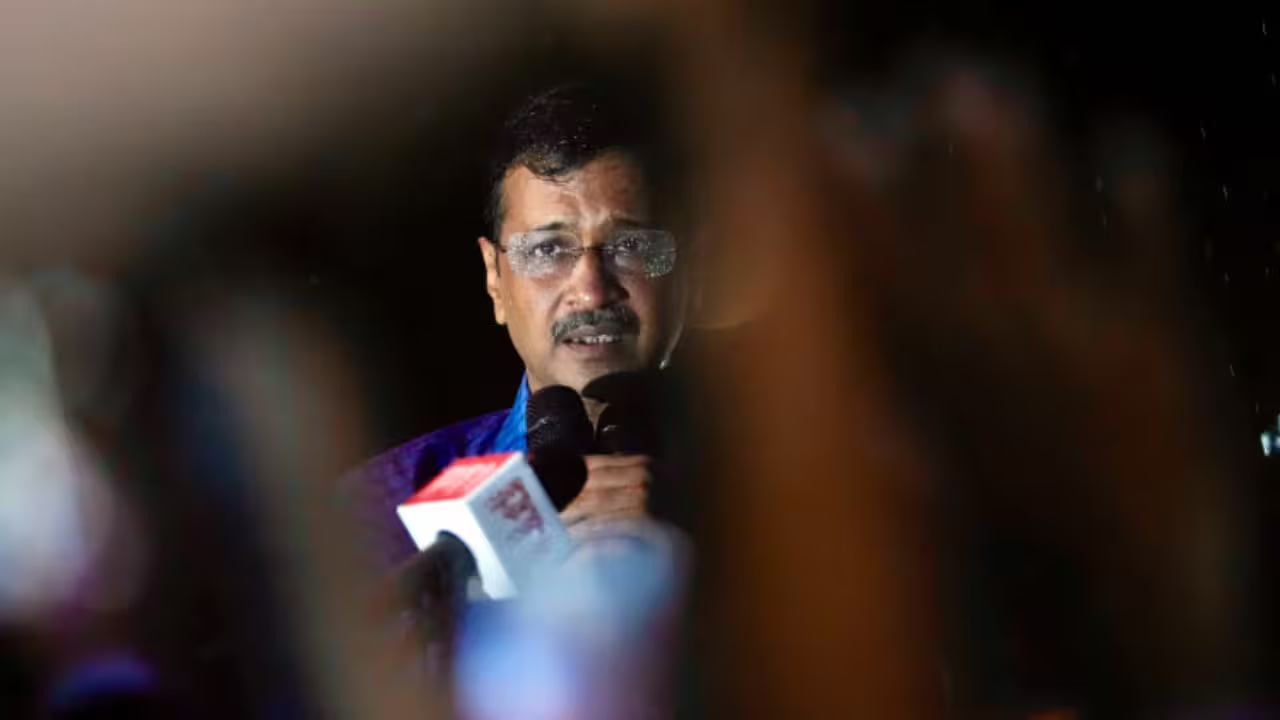
A trial court has discharged Delhi Chief Minister Arvind Kejriwal and 22 others from charges related to the Delhi excise policy case. The court's order, issued on March 10, 2026, found that the Central Bureau of Investigation (CBI) had failed to establish a prima facie case against the accused. However, the proceedings are not entirely concluded, as the CBI has appealed the trial court's decision to the Delhi High Court.
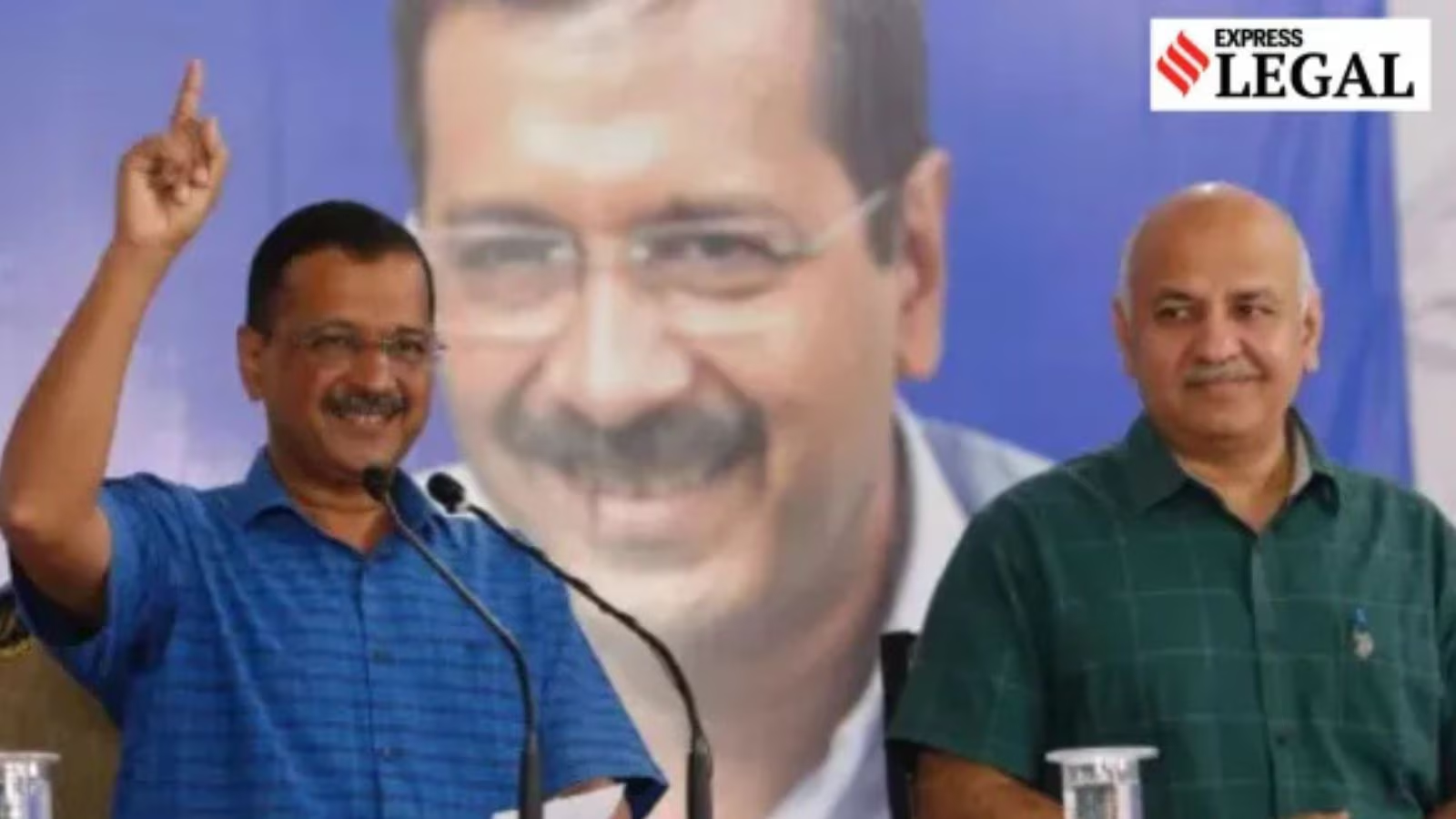
The Delhi High Court has subsequently stayed the trial court's critical remarks and the proposed departmental action against the CBI's investigating officer in the case. The High Court described the trial court's observations as "prima facie foundationally misconceived," particularly concerning the alleged abuse of official position during the investigation. The court noted that such strong remarks were made at a premature stage of the proceedings.
Read More: Karnataka Court Case: Indian Anthropic Sues US AI Giant Over Name

Party Sees Political Resurgence
The discharge order is being viewed as a significant morale boost for the Aam Aadmi Party (AAP) and its volunteers. Party leaders intend to leverage this development as a key message in upcoming elections in Punjab, Gujarat, and Goa. AAP national convener Arvind Kejriwal is expected to intensify his focus on these states following his exoneration in this particular case.

Court Criticisms and CBI Appeal
During the discharge, the special court voiced substantial criticism of the CBI's investigative methods, including its reliance on statements from a key approver in the case. The court also indicated an intention to recommend departmental inquiries against CBI officials. This sentiment stemmed from concerns over the agency's procedural conduct, notably its treatment of public servant Kuldeep Singh, who was initially named as a primary accused.

The CBI, however, maintains that "several aspects were ignored" and has filed an appeal with the Delhi High Court, seeking to overturn the discharge order. The High Court will now review the legality of the trial court's decision based on the CBI's appeal, initiating the next phase of this high-profile legal matter.
Read More: Chhattisgarh Assembly: Congress MLAs Suspended Over Opium Farm Linked to BJP Leader
Background of the Delhi Excise Policy Case
The politically sensitive excise policy case has been a focal point of legal and political scrutiny. It revolved around allegations of corruption and conspiracy linked to a new liquor policy implemented in Delhi. This policy, which reportedly allowed liquor shops to operate beyond midnight and offer discounts, directly implicated senior AAP leaders. While Kejriwal and others have been discharged in this specific trial court proceeding, the legal challenges are ongoing due to the CBI's appeal. The case also saw the discharge of other prominent figures, including Manish Sisodia.
The initial proceedings and the subsequent discharge order represent a significant turn in a case that had cast a long shadow over the AAP leadership. The differing perspectives between the trial court's criticisms of the investigation and the High Court's intervention underscore the complex legal landscape surrounding the matter.