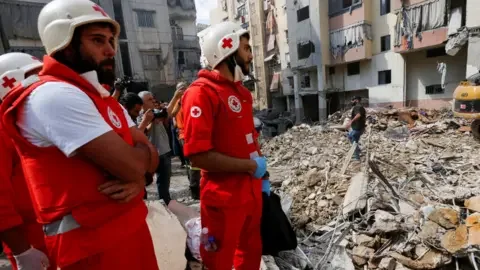
WIDESPREAD STRIKES LEAVE HUNDREDS DEAD, FORCING MASS EVACUATIONS
BEIRUT – A relentless wave of Israeli airstrikes has pulverized swathes of Lebanon, including the capital Beirut, with the latest figures indicating over 200 deaths and hundreds wounded since Monday. Authorities in Lebanon reported on Friday that the nation's health ministry has documented a grim toll, a stark indicator of the intensified conflict with Hezbollah. This aerial bombardment, described as extensive by Israeli officials, has prompted urgent evacuations, with hundreds of thousands of Lebanese forced to abandon their homes. The sheer scale of the destruction has triggered a significant humanitarian crisis, leading to the displacement of over 83,000 people within the country alone.
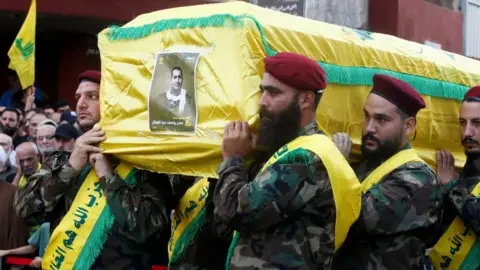
The current death toll has surpassed 200, with official figures from Lebanon's health ministry confirming at least 102 fatalities by Thursday, and earlier reports from Monday placing the number at 52. The discrepancy highlights the volatile and rapidly shifting nature of casualties in the conflict.
Read More: Gaza Doctor Killed by Israeli Forces, Claimed as Hamas Commander
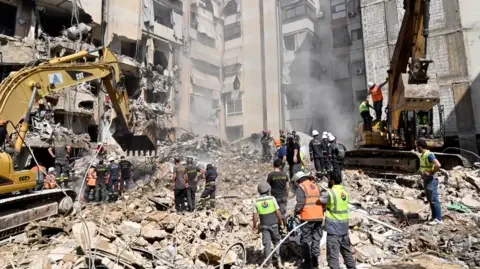
BEIRUT'S SOUTHERN SUBURBS TARGETED
Beirut's southern suburbs, particularly the Hezbollah stronghold of Dahieh, have been subjected to a significant number of Israeli strikes. On Friday, these areas were pounded by airstrikes, a day after Israel issued expanded evacuation threats across hundreds of square kilometers of southern Lebanon, citing "imminent military action." These threats have now extended to residents in the suburbs of Beirut and across vast territories in the country's south, creating an atmosphere of pervasive fear and uncertainty. This expansion of military action, coupled with explicit "leave-or-die" threats, underscores a deliberate strategy to push populations out of contested areas.

HEZBOLLAH RESPONDS, IRAN FACTOR LOOMS
The escalated Israeli campaign follows assertions from Hezbollah that it targeted a military site in northern Israel with rockets and drones. This action was framed by Hezbollah as a direct response to ongoing Israeli attacks on Lebanon and a joint US-Israeli military offensive targeting Iran, which has reportedly resulted in the deaths of high-ranking Iranian officials, including Supreme Leader Ayatollah Ali Khamenei. While Hezbollah has engaged in retaliatory actions, reports suggest its main supporter, Iran, is not seeking a wider confrontation at this juncture.
Read More: Gulf Oil Exports Rise in June but Still Below Pre-War Levels
GROUND INCURSIONS AND STRATEGIC IMPLICATIONS
Beyond the aerial assaults, Hezbollah has reported engaging Israeli forces in a ground incursion in southern Lebanon, specifically targeting military vehicles near Khiyam. The Israeli military, meanwhile, claims Hezbollah has launched hundreds of rockets and drones at Israel throughout the week. Military analysts suggest that Israeli attacks on Hezbollah are likely to persist, irrespective of the outcome of the conflict with Iran. This indicates a sustained strategic objective to degrade Hezbollah's capabilities, potentially independent of broader regional dynamics.
DISPLACEMENT AND REGIONAL INSTABILITY
The violence has not been confined to Lebanon. More than 38,000 Syrians have reportedly fled Lebanon for Syria, a stark illustration of the cascading humanitarian impact. This widespread displacement underscores the growing regional instability fueled by the escalating conflict.
A HISTORIC CONTEXT OF CONFLICT
This recent surge in violence is not an isolated incident. Reports from September 2024 detailed Israeli strikes in southern Lebanon targeting what the military described as "a dozen senior commanders in Hezbollah's elite Radwan force," resulting in 12 fatalities. Subsequent strikes on Wednesday reportedly claimed 27 lives, while an attack in Beirut on Friday of that same period killed at least 37 people, including women and children. These past events serve as a grim precursor to the current, more expansive and lethal campaign, indicating a pattern of escalating military engagement.
Read More: Israel warns of Beirut strikes if Hezbollah attacks continue