


The central government has issued a formal mandate requiring all federal staff and officers of the All-India services to complete annual competency-linked training courses. Administered via a dedicated digital interface, this requirement serves as a pivot point for career progression: completion status and performance metrics from these courses will now be formally recorded within individual Annual Performance Appraisal Reports (APARs).

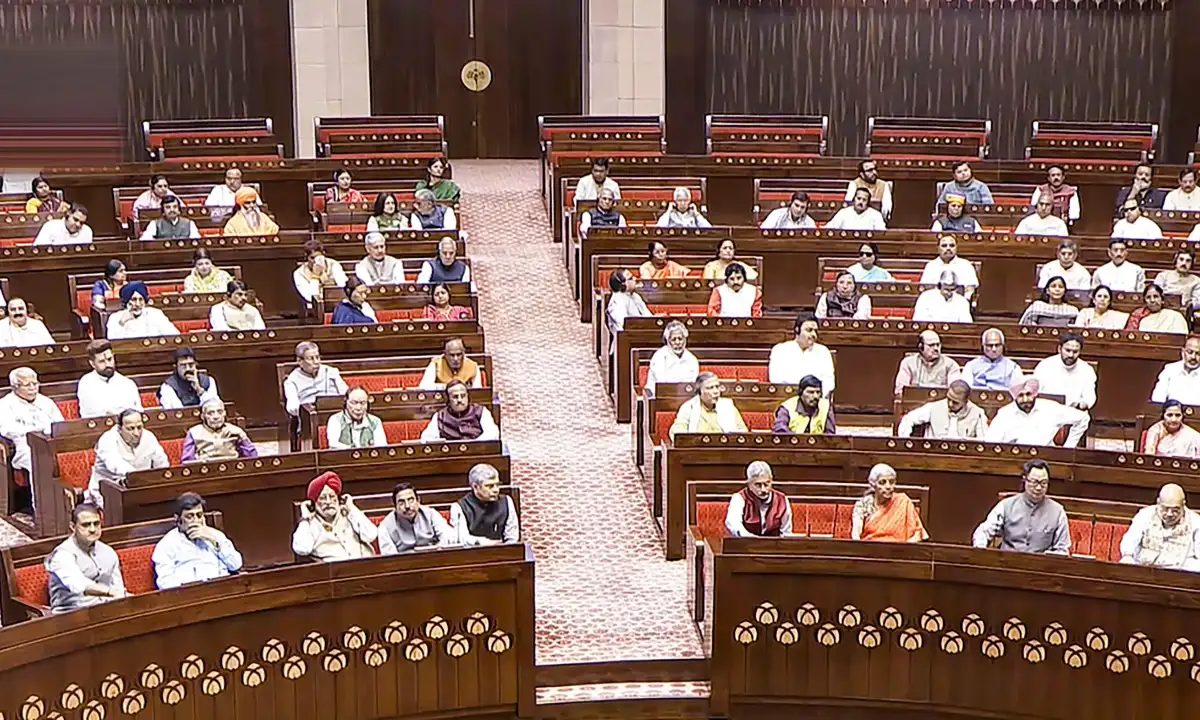
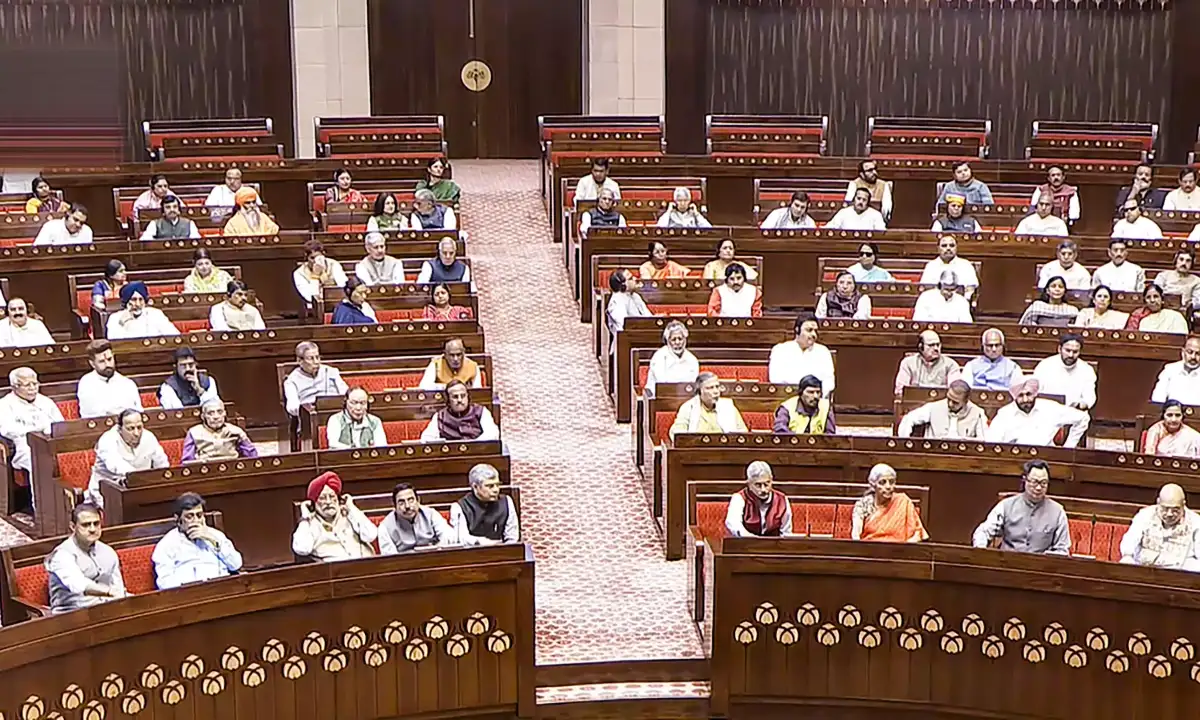
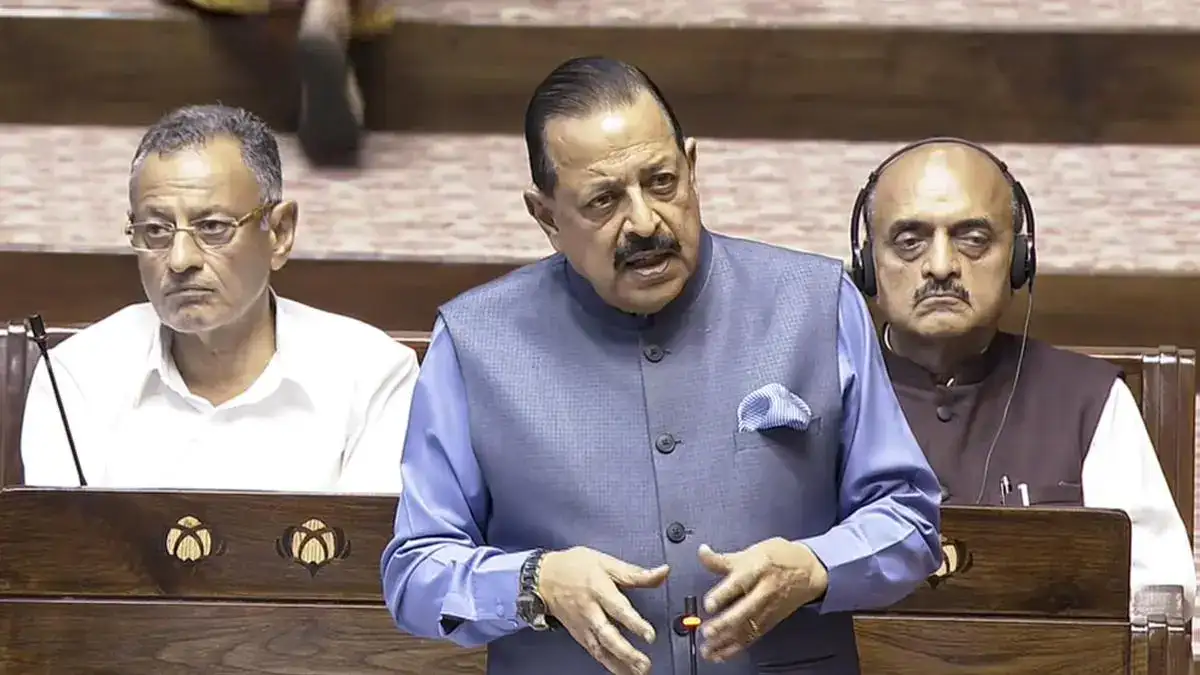
Minister of State for Personnel Jitendra Singh confirmed the directive in a written response to the Rajya Sabha on April 2, 2026. The shift signals an attempt to standardize administrative output through a structured 'competency-based capacity building' framework.
The FRAC Mechanism
The government is utilizing a 'Framework of Roles, Activities, and Competencies' (FRAC) to dictate the content of these requirements. The stated objective is the granular alignment of every government position with three specific categories:
Read More: Acting DNI Pulte Fires Dozens of Intelligence Officials Starting Thursday
Behavioural: Interpersonal and conduct-based expectations.
Functional: Technical utility required for specific bureaucratic tasks.
Domain: Knowledge specific to the specialized fields of governance.
| Element | Description | Impact |
|---|---|---|
| Delivery | Dedicated online platform | Digital surveillance of learning |
| Trigger | Mandatory annual completion | Regularized behavioral feedback |
| Consequence | APAR entry | Potential barrier to promotion |
Structural Implications
The mandate replaces older, ad-hoc training models with a continuous loop of role-based learning. By tethering professional development to the APAR—the document which traditionally dictates career longevity and promotions—the state is transforming training from an optional administrative exercise into a primary condition of employment.
The move attempts to resolve long-standing critiques regarding the efficacy of government training schemes. By forcing alignment between individual skill acquisition and the official definition of a role-based position, the state seeks to quantify the qualitative labor of the civil service.
Contextual Background
This directive is an extension of Mission Karmayogi, an ongoing long-term effort to reform the bureaucratic machinery. The implementation on the iGOT platform is designed to provide the technical infrastructure for this transition, ensuring that even distant state machinery can be monitored through a centralized, data-driven performance appraisal process. Whether this standardization fosters agility or creates a layer of performative compliance remains a point of divergence between policymakers and frontline workers.
Read More: Uber H-1B Salary Data for April 2026 Shows Pay Up to $410,000


