Hydrogen Atmospheres Offer Unlikely Havens
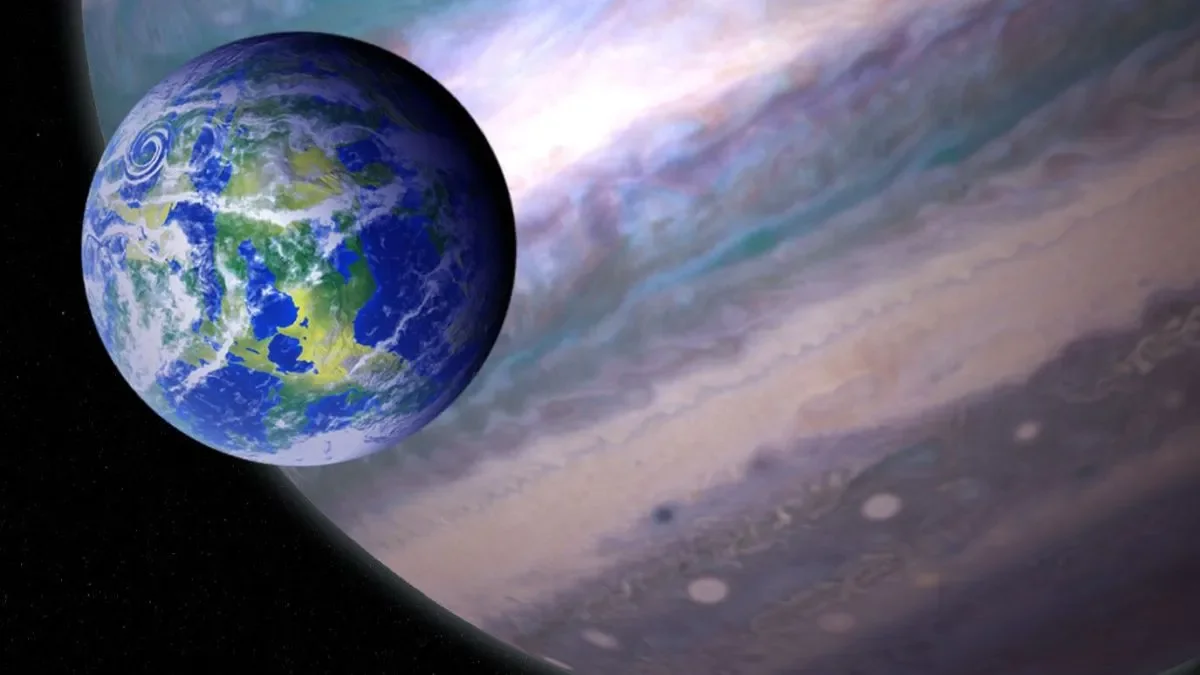
New research suggests that moons orbiting planets adrift in the vast emptiness of interstellar space—planets without any sun—could harbor conditions suitable for life. The crucial element appears to be a dense, hydrogen-rich atmosphere. This atmospheric blanket, even in the frigid expanse between stars, might maintain enough warmth to allow for liquid water, a substance widely considered fundamental for life's emergence.
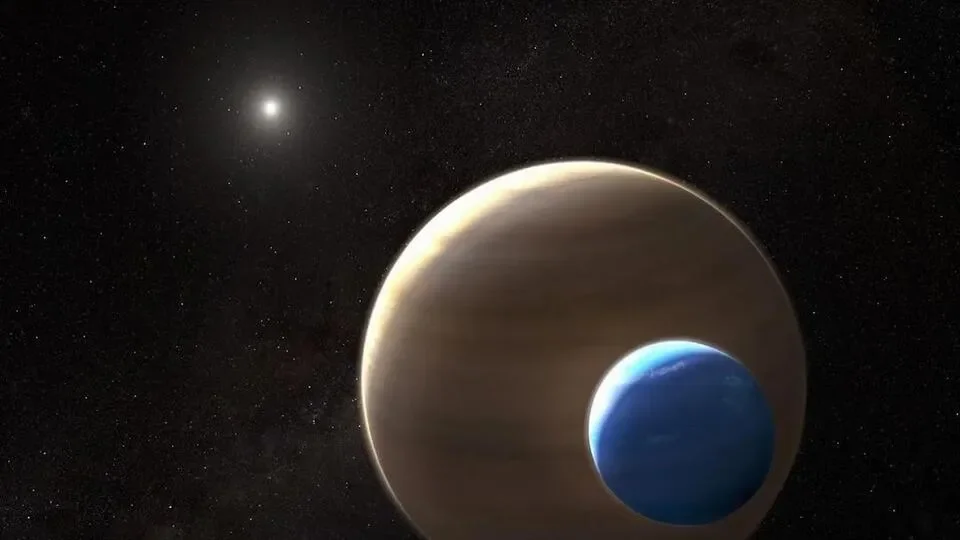
The core finding indicates that these exomoons, warmed by the gravitational tug of their host planets (a process called tidal heating), can sustain liquid water and stable environments for billions of years, thanks to their hydrogen atmospheres acting as effective heat traps. This challenges long-held assumptions that life requires proximity to a star.
Unveiling the "Cradle of Life"
The notion that a "cradle of life" doesn't necessarily need a sun is a significant departure from traditional thinking. Scientists from the Excellence Cluster ORIGINS at LMU and the Max Planck Institute for Extraterrestrial Physics have spearheaded this investigation. Their work points to a surprising discovery: the conditions for habitability might exist far from stellar light.
Read More: New StructureMASST tool helps find molecules in samples
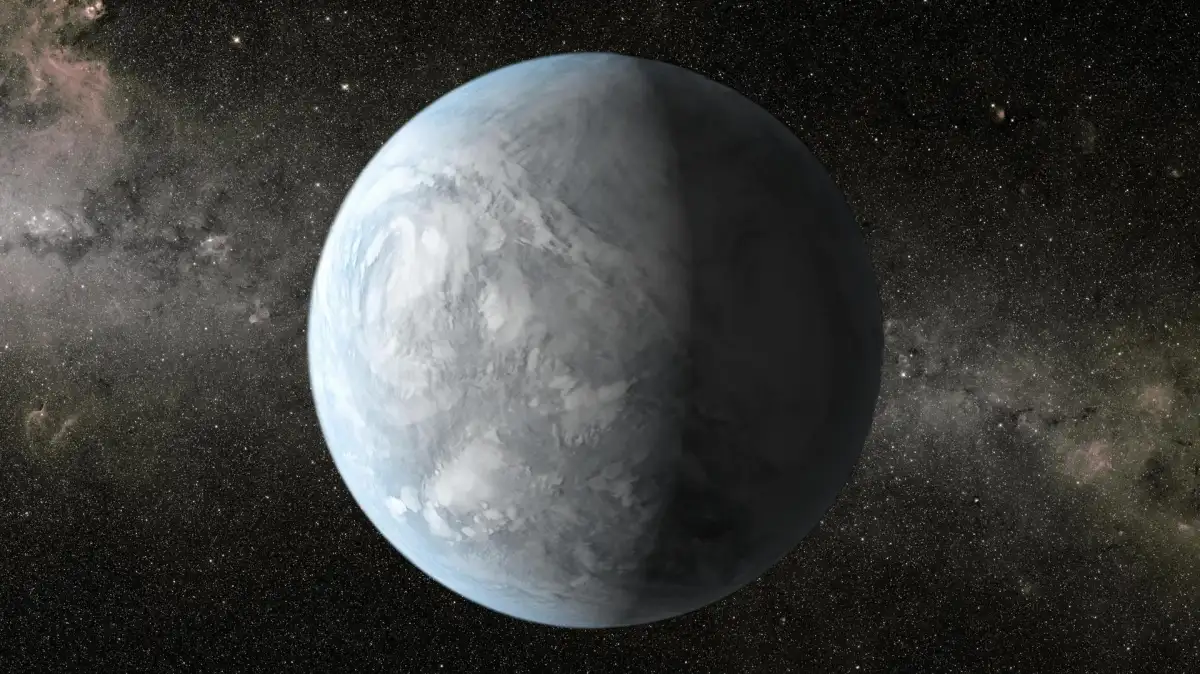
Hydrogen's Role in Extreme Cold
Hydrogen's unique properties are central to this theory. Unlike other gases that freeze at extreme low temperatures, hydrogen remains gaseous. This characteristic allows it to effectively absorb and retain thermal radiation, preventing the moon's surface from becoming completely inhospitable. During this atmospheric process, colliding hydrogen molecules form temporary complexes that trap heat, effectively insulating the moon.

This research offers "new clues to the origin of life," according to David Dahlbüdding, a doctoral researcher at LMU. The implications are vast, expanding the potential locales for life beyond our current observational biases.
Rogue Planets and Their Drifting Companions
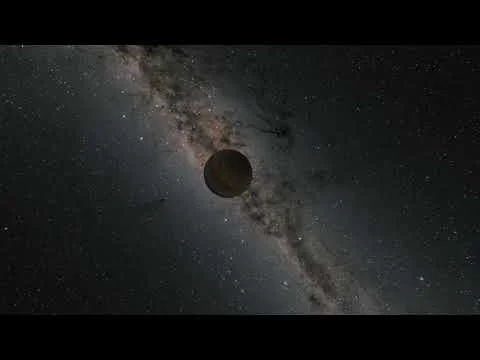
The subjects of this study are exomoons orbiting free-floating planets. These planets are essentially cosmic nomads, ejected from their original solar systems and drifting through interstellar space. While the rogue planets themselves are not typically considered prime candidates for life, their moons present a different possibility.
Read More: Lab Recreates Dying Stars, Shows Hydrogen Makes Life's Building Blocks
The research team's collaboration highlighted that the ejection process, while altering moon orbits, does not preclude the possibility of habitability. The constant gravitational interaction between the planet and its moons generates tidal heating, a consistent internal energy source that, when combined with a suitable atmosphere, can maintain a temperate climate.
This discovery opens up "an exciting new perspective on the potential for life beyond Earth and how life might arise under different circumstances," as noted in dailygalaxy.com. It forces a reevaluation of the conditions necessary for life, suggesting that the universe may be more accommodating to biological processes than previously imagined.
Read More: Red-footed Boobies Use Wind for Navigation, New Study Shows