Unexpected Hues Paint Arid Landscape
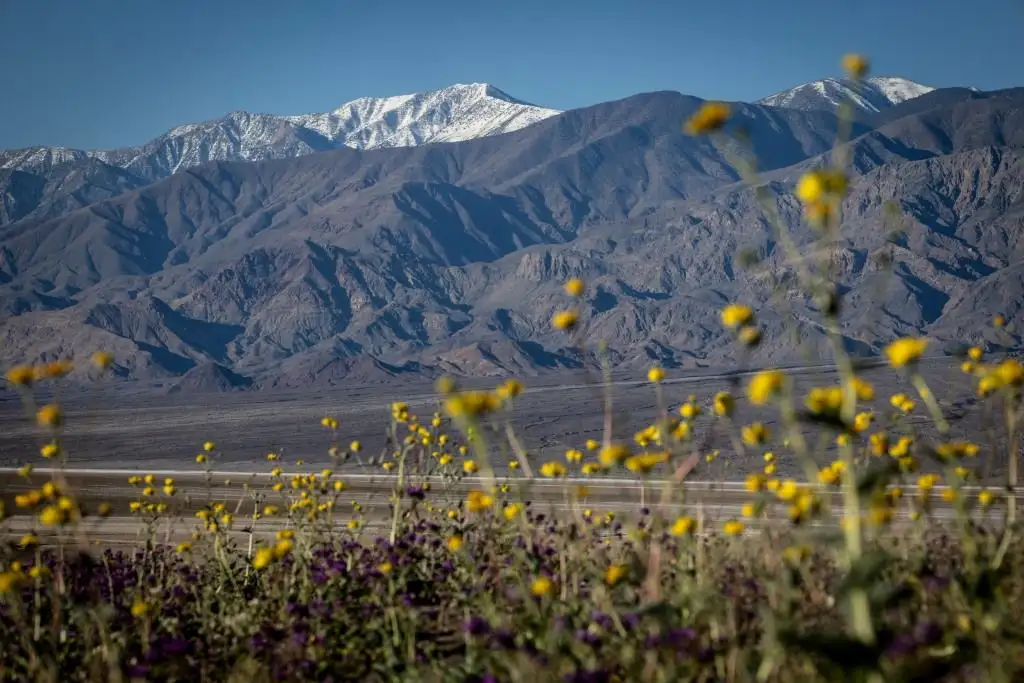
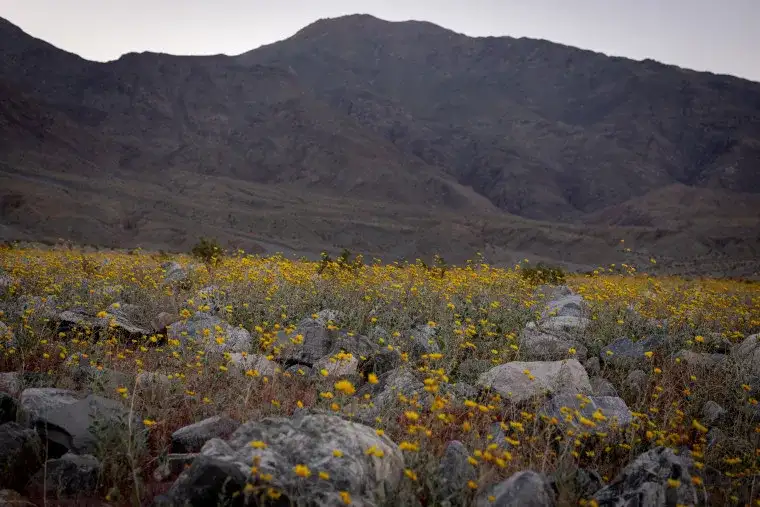
Death Valley National Park is currently experiencing what experts are calling its most significant wildflower display in a decade, a phenomenon referred to as a "superbloom." This rare event is attributed to unusually wet fall and winter seasons, which have allowed desert annuals, plants that bloom only once in their lifespan, to flourish. The park, famously known for its extreme heat and dryness, is now awash in carpets of yellow, purple, pink, and white flowers, a stark contrast to its usual beige palette.
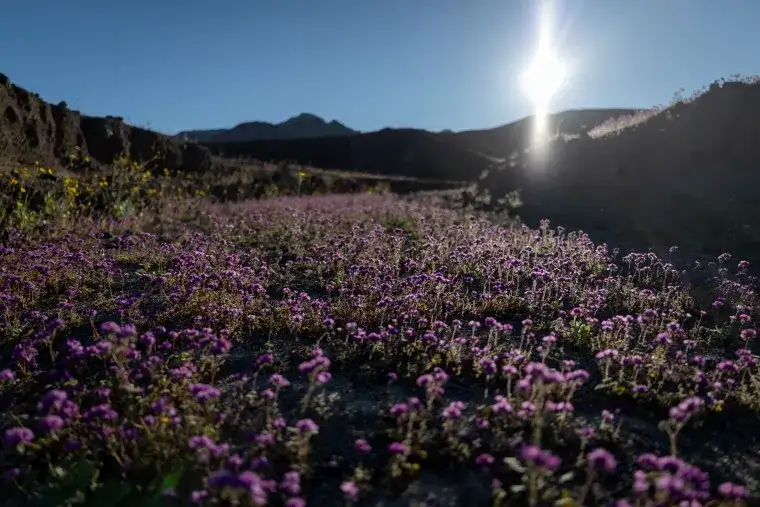
The abundance of blooms is concentrated in various locations throughout the park. Lower elevation areas, particularly along Badwater Road (both north and south sections) and Highway 190 between Stovepipe Wells and Furnace Creek, are already showcasing vibrant displays. These lower elevation flowers are expected to last only until mid- to late March. For those seeking blooms at higher elevations, park officials indicate that displays at 3,000–5,000 feet could persist through early May, with mountain slopes at 5,000–11,000 feet potentially blooming until mid-July.
Read More: Why bird songs stop different species from mating as of April 2026
Navigating the Bloom: Tips for Visitors
Those venturing to witness this botanical anomaly are strongly urged by park services and affiliated organizations to adhere to specific guidelines. "Don't pick the flowers" is a paramount instruction, emphasized across multiple sources. Visitors are also instructed to remain on designated trails to avoid trampling the delicate plants and to park only in approved areas. The National Park Service and California State Parks have launched "Don't Doom the Bloom" campaigns to educate the public on responsible visitation. Resources for tracking bloom locations and progress are available on the National Park Service website, as well as through the Death Valley Natural History Association.

A Convergence of Factors Fuels the Phenomenon
The emergence of a superbloom in Death Valley is not a common occurrence. While some wildflowers typically appear each spring, true superblooms are an infrequent event, often happening only once every ten years. This year's exceptional display follows a record rainfall, with specific figures noting 2.41 inches in the past fall. The term "superbloom" itself is not an official botanical classification but rather a descriptor for these unusually widespread and dense wildflower events. Beyond Death Valley, similar blooming events are being observed in other desert regions, including Anza-Borrego Desert State Park and Red Rock Canyon State Park.
Read More: Margaret River Named World's Best Wine Place

Understanding the Fleeting Beauty
The lifecycle of desert wildflowers, particularly annuals, means this vibrant spectacle is transient. Park officials note that many sprouts have yet to fully flower, indicating the bloom is just beginning its peak. However, as temperatures rise, the blooms will eventually fade. The lifespan of these blooms is directly tied to the availability of moisture and temperature fluctuations. For visitors, the current period offers a unique opportunity to witness Death Valley in an "unexpected light," as one report states, presenting a landscape that is "almost deceptively beautiful for a place named for its extremes." An app called Hipcamp has also launched a forecasting tool to help users navigate bloom windows and plan visits.