:max_bytes(150000):strip_icc():focal(1363x399:1365x401)/donald-trump-east-potomac-golf-links-7226-6dc739ee42e64eadb20e7cf26d177ffd.jpg)
WASHINGTON D.C. — Plans to overhaul the East Potomac Golf Links under the direction of Donald Trump reportedly include the removal of Washington's oldest grove of cherry trees and a popular riverside bike trail. The proposed expansion, which would extend the golf course onto roughly 50 acres of currently public parkland, has drawn criticism and legal challenges, with opponents citing potential violations of park establishment laws dating back to 1897.
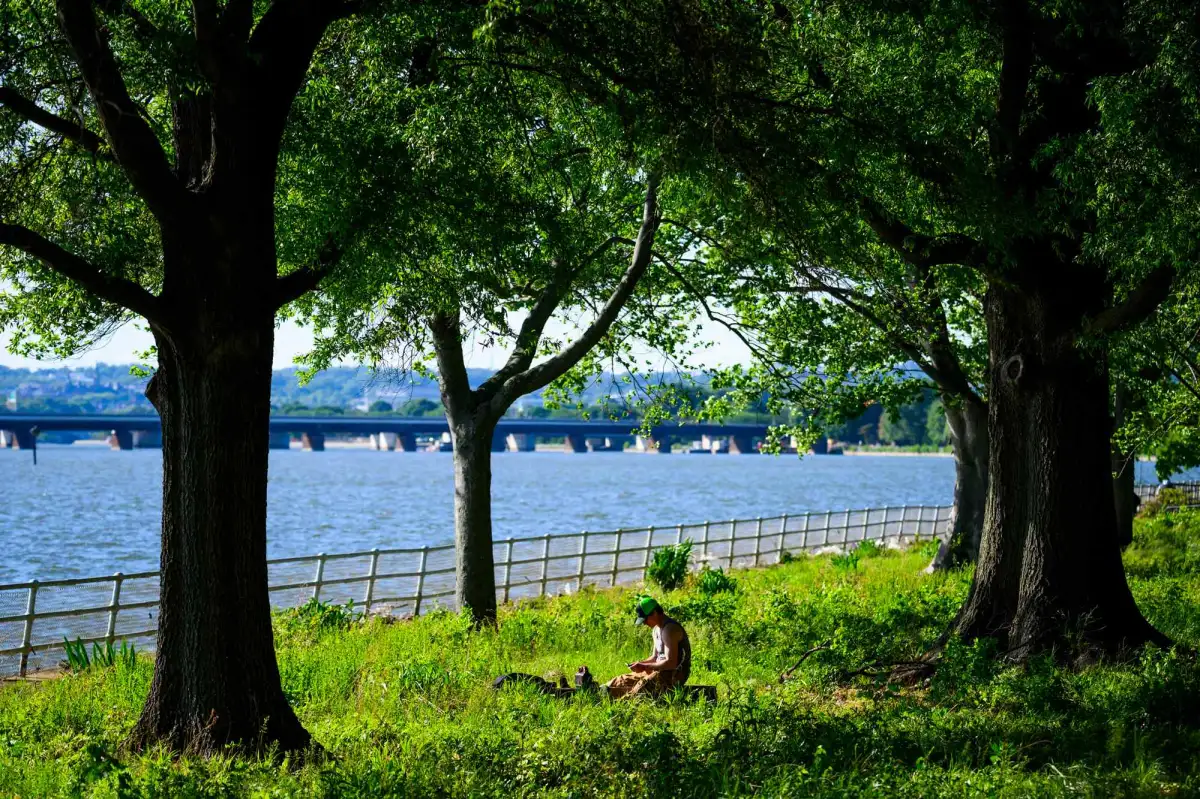
The core of the dispute centers on a golf course renovation that, according to photographic evidence and media reports, shows an expanded layout that appears to displace established public recreational areas, including a historic cherry tree grove and a well-used bicycle path.

Work on the golf course renovation is slated to begin September 3rd. Trump has characterized the existing facility as "dilapidated, worn out, and very dangerous and outdated," envisioning a new "Greatest Golf Course anywhere in the World" that will remain accessible to the public. This initiative is being managed through the Department of the Interior, with golf course architect Tom Fazio leading the design.
Read More: Amazon Land Use Changes Cause Disease Clusters in Brazil
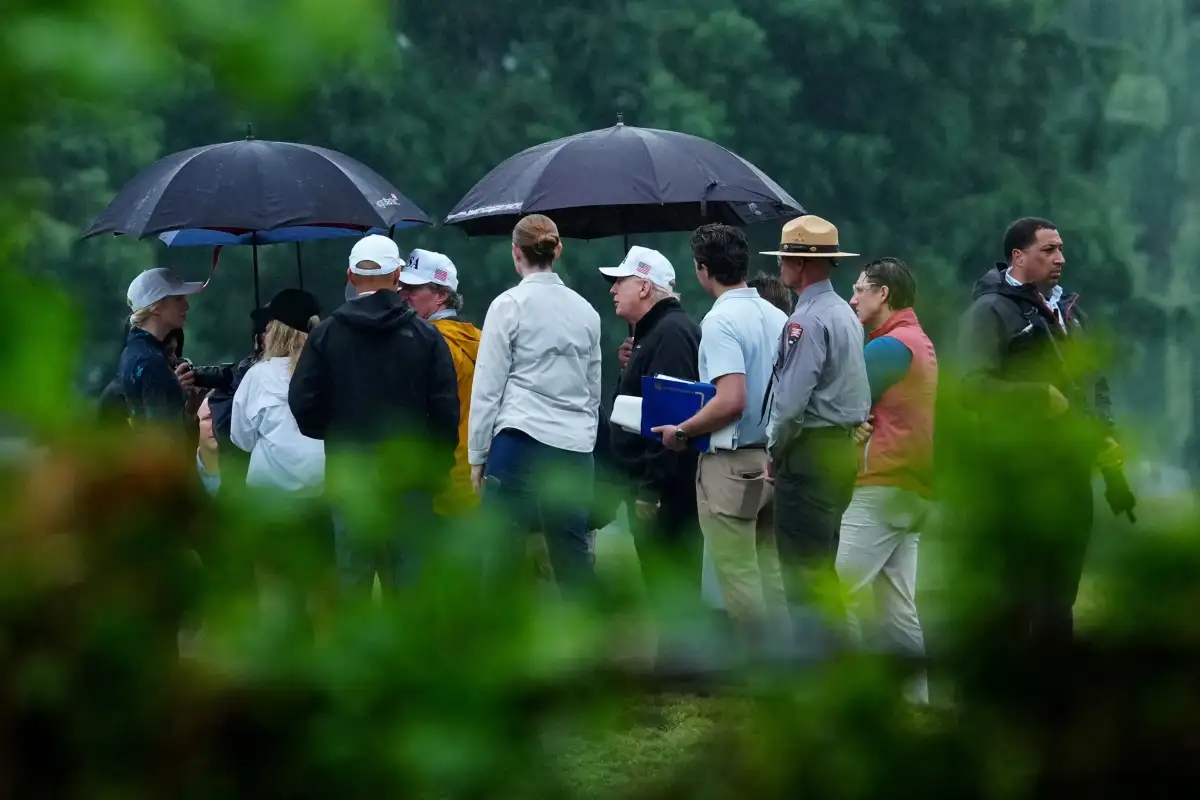
A federal judge has intervened, issuing a directive that government officials must provide notice before cutting down more than 10 trees amidst the ongoing legal dispute. This warning followed an emergency petition from plaintiffs seeking to halt any immediate work. Park Service officials confirmed a safety assessment was underway and reported no signs of imminent demolition at the time of the hearing, though closure signs were observed at the site.

The expanded golf course, transitioning from three courses and 36 holes to a single 18-hole championship layout, would encroach upon parkland utilized for activities such as picnicking, fishing, and cycling. This expansion is viewed by some as a move that could potentially violate the park's original purpose as established for public recreation and access.
Separately, discussions around the vulnerability of cherry trees, particularly those in coastal or flood-prone areas like the Tidal Basin, highlight concerns about saltwater intrusion affecting their health, as they are adapted to freshwater environments.
Read More: Kanyakumari Atomic Mining Permit Extended for 1144 Hectares in 2026