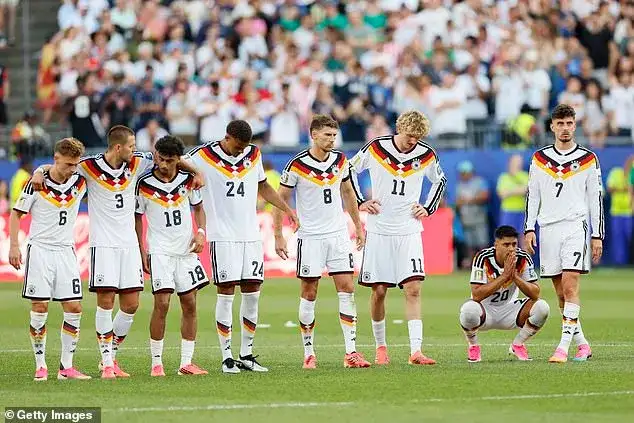
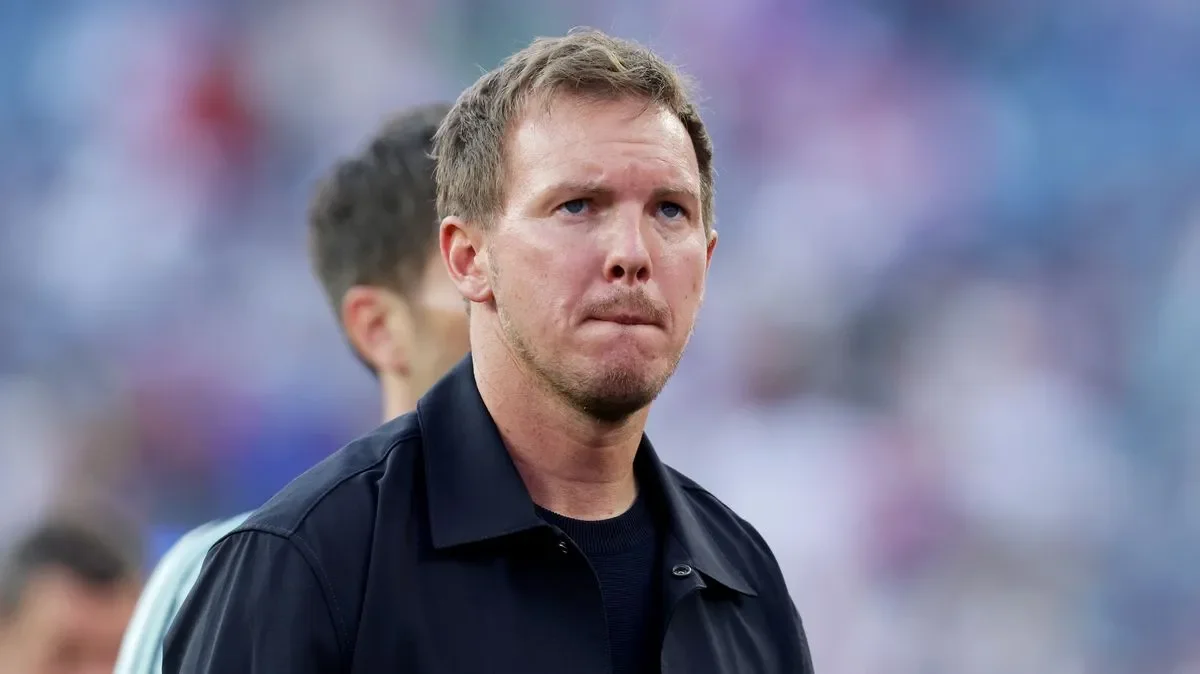
Julian Nagelsmann has vacated his position as head coach of the German national team, reaching an agreement with the German Football Association (DFB) to conclude his tenure on Thursday. The departure follows a Round of 32 elimination at the 2026 World Cup, where Germany was defeated by Paraguay on penalties in Boston.

The transition is marked by a reported £6 million (€7m) severance package awarded to the 38-year-old manager, effectively buying out the remainder of his contract.
| Development | Details |
|---|---|
| Official Outcome | Nagelsmann resigns after 3-year stint |
| Trigger Event | Loss to Paraguay (World Cup Round of 32) |
| Financial Settlement | ~£6 million severance package |
| Primary Successor | Jürgen Klopp in formal talks |
Leadership Vacuum and Strategic Realignment
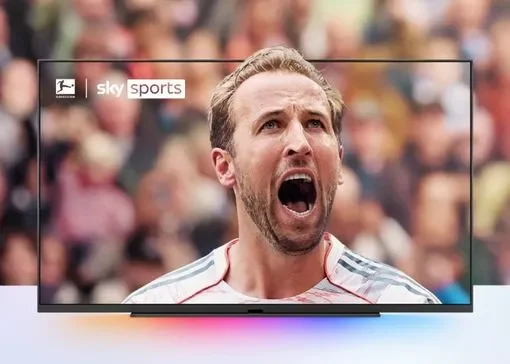
The DFB has initiated formal discussions with Jürgen Klopp, 59, to fill the managerial vacancy. Klopp, currently serving as the head of global soccer for the Red Bull network, had been active in German media during the tournament. His potential return to the touchline has moved from speculative punditry to administrative priority within hours of Nagelsmann’s departure.
Read More: FIFA World Cup 2026 Revenue Reaches $15 Billion With New Ticket Prices
The elimination to Paraguay represents a historical anomaly, marking the first time the German national team has lost a penalty shootout in a World Cup tournament.
Internal tensions reportedly intensified during the tournament, with public and media scrutiny focused on the presence of Nagelsmann’s partner within the team camp.
Following the loss, Nagelsmann faced significant pressure, appearing defensive in post-match media interactions before formal negotiations for his exit commenced at DFB headquarters in Frankfurt.
Context of the Collapse
Nagelsmann, who assumed the role from Hansi Flick, presided over a period characterized by erratic performance cycles. While the team showed early strength—notably a 7-1 victory over Curacao—the failure to advance past the initial knockout round is viewed by officials as a failure of institutional expectations.

The DFB now moves toward a "New Era," as the national governing body seeks to leverage the popularity of Klopp to stabilize a squad struggling with internal cohesion and high-stakes tournament performance. The financial cost of this change, amounting to approximately one year’s salary for Nagelsmann, underscores the urgency the association felt in clearing the path for new leadership.