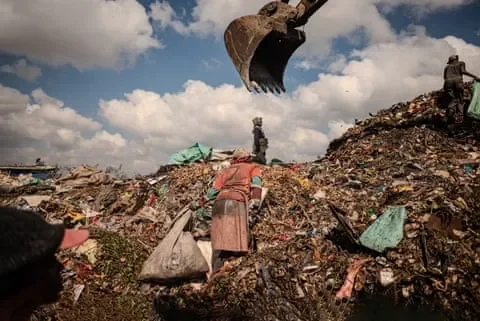
Workers Face Extreme Conditions for Recyclables
Thousands of individuals, predominantly women, labor at Kenya's Dandora dump, the nation's largest landfill, sifting through mountains of unsorted waste to extract recyclables essential for global supply chains. These workers, often starting as teenagers and enduring 12-hour days, seven days a week, operate without protective gear, exposing them to toxic fumes and sharp debris. Their efforts, crucial to the recycling industry, remain largely unrecognized, a "glaring omission in global recycling narratives." Children sometimes assist their parents on weekends.

Health and Societal Neglect
The physical toll is severe. Waste pickers report symptoms consistent with kidney problems due to exposure to heavy metals and other hazardous liquids. Medical waste and various refuse create a perilous environment.

"Waste pickers are not considered humans," stated Joseph Mwangi Wambui, highlighting a profound societal disregard for their arduous work.
This exploitation is linked to "colonial legacies and systemic inequities," according to analysts, with job seekers migrating from rural areas to urban centers only to find themselves in precarious waste-picking roles.
Read More: Hantavirus Risk Grows as Climate Change Affects Rodents

Broader Implications of the Dandora Dump
The Dandora dump is more than just a local landfill; it serves as a significant destination for textile waste from international markets. This influx contributes to the overwhelming scale of the dumping ground.

While International Waste Pickers Day, marked annually on March 1, is an occasion for global recognition, the reality on the ground remains bleak. The presence of both medical waste and improvised footwear made from salvaged materials underscores the desperation and danger inherent in the work.
The narrative surrounding recycling often overlooks the human cost, a stark contrast to the often-cleaner images of consumption and disposal elsewhere. The lives of individuals like Jane Wangechi, a single mother of two, exemplify the entrenched poverty and the intergenerational nature of this labor, as her children also help with the sorting.