

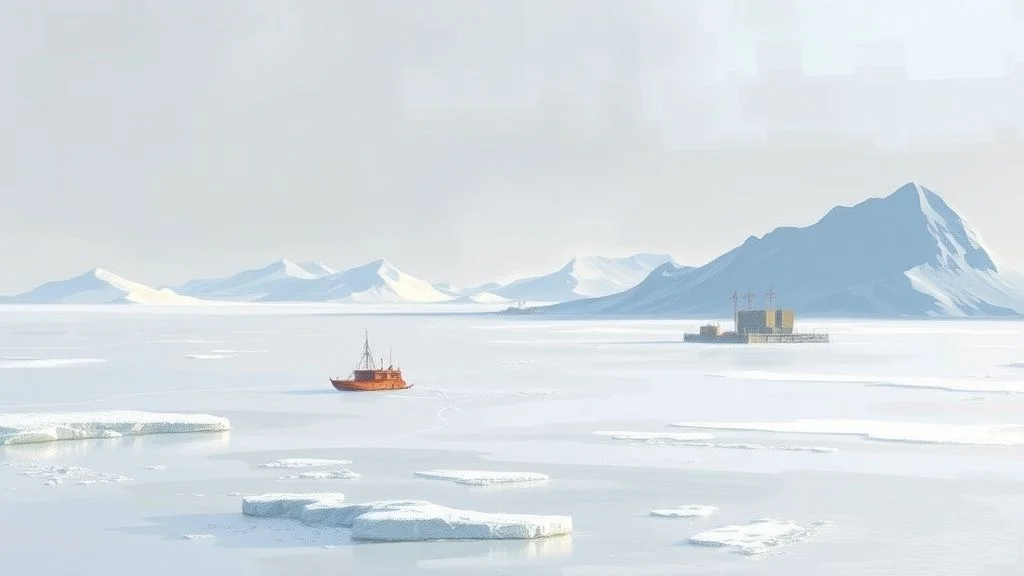
Dalaroo Metals (ASX:DAL) has secured two new exploration licences in southwest Greenland, expanding its total landholding at the Blue Lagoon Project to 259.77 km². The regulatory approval for licences M-516 and M-517 grants the firm control over interpreted coastal and offshore sediment transport corridors, moving the project from a localized prospect toward a larger, integrated mineral system.
The core strategy focuses on the potential for natural hydraulic concentration of rare earth elements (REE), zirconium, and niobium within onshore, lagoon, and offshore depositional environments.
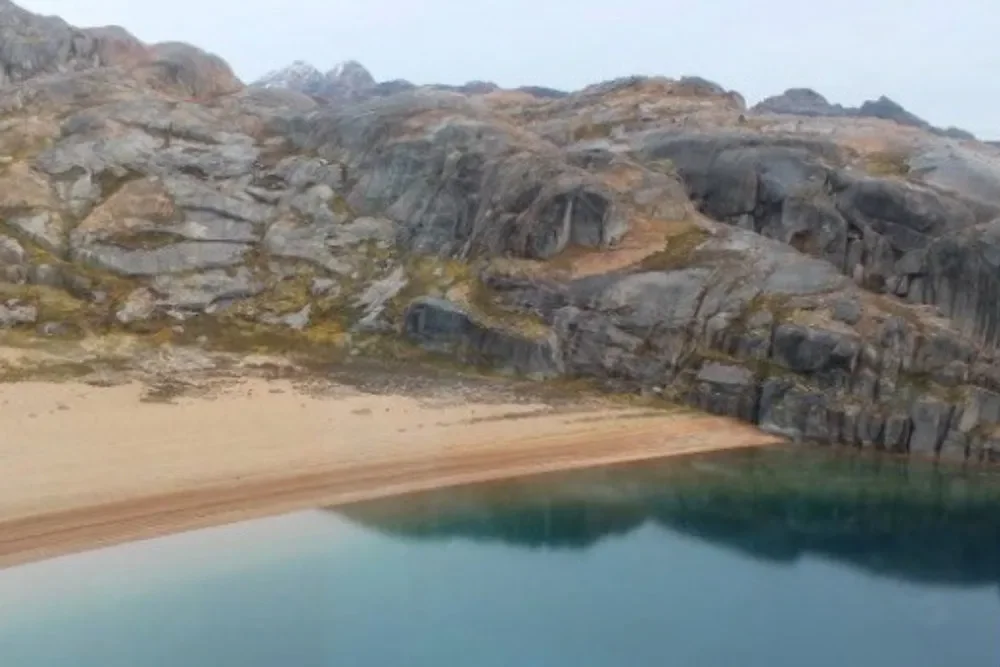
| Feature | Detail |
|---|---|
| Total Area | 259.77 km² |
| Location | Gardar Alkaline Province, Greenland |
| Mineral Focus | REE, Zirconium, Niobium |
| Status | Approvals granted; upcoming field campaign |
Operational Pivot
The expansion represents a shift toward systematic testing of offshore environments previously left largely unexplored. Dalaroo plans an integrated campaign for the upcoming field season, utilizing a mix of geological mapping, ground-penetrating radar, and auger drilling. The objective is to assess the granitic and dyke lithologies as primary source rocks while testing coastal sediments for secondary mineral accumulation.
Read More: FireFly Metals Finds Big Copper-Gold Near Green Bay, Canada
"The enlarged landholding gives Dalaroo a commanding position over what could be a large integrated coastal critical minerals system." — Market analysis of the licence expansion.
Geographical and Strategic Context
The Blue Lagoon Project is situated within the Gardar Alkaline Province, a geological belt historically recognized for its alkaline intrusive complexes. For investors on the ASX, the Greenland location functions as a critical minerals jurisdiction, offering a polymetallic profile distinct from standard domestic rare earth holdings.
While the Greenland assets undergo development, Dalaroo maintains concurrent operations at its Bondoukou gold project in Côte d’Ivoire. The firm’s ability to manage geographically dispersed projects in varying regulatory environments remains a primary metric for assessing its long-term project viability. The shift to an offshore focus at Blue Lagoon introduces specific technical hurdles regarding logistical deployment and sub-surface data interpretation in an arctic-coastal setting.


