NEW RESEARCH HIGHLIGHTS PARALLEL PROCESSING POWER FOR COMPLEX DATA TASKS
Recent advancements in computing architectures are enabling the analysis of previously unmanageable datasets. A new study details methods for leveraging both Central Processing Units (CPUs) and Graphics Processing Units (GPUs) to expedite analyses using 'Dirichlet Process Mixtures'. This dual-processor approach is poised to significantly speed up complex analytical tasks by distributing computational workloads across different hardware components. The findings suggest a broader trend toward utilizing the specialized strengths of various processing units for enhanced performance.
The research focuses on distributed sampling techniques, where computations are broken down and executed simultaneously. CPUS, traditionally the brain of a computer responsible for executing program instructions, are being augmented by GPUs, which excel at handling parallel computations.
"The objective is to overcome the inherent limitations of single-processor analysis, especially when dealing with the sheer volume and intricacy of modern data."
This integration allows for more efficient handling of algorithms like Dirichlet Process Mixtures, often used in statistical modeling and machine learning.
Read More: Chrome mimeHandler API lets extensions handle file types
DECONSTRUCTING THE PROCESSING UNITS
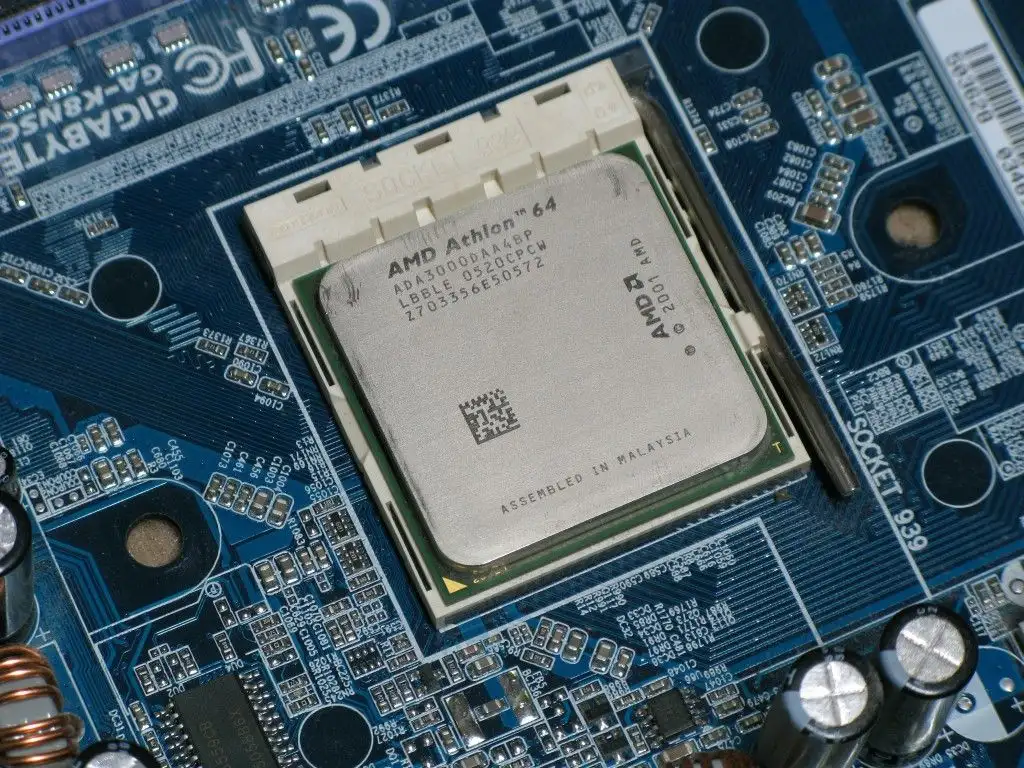
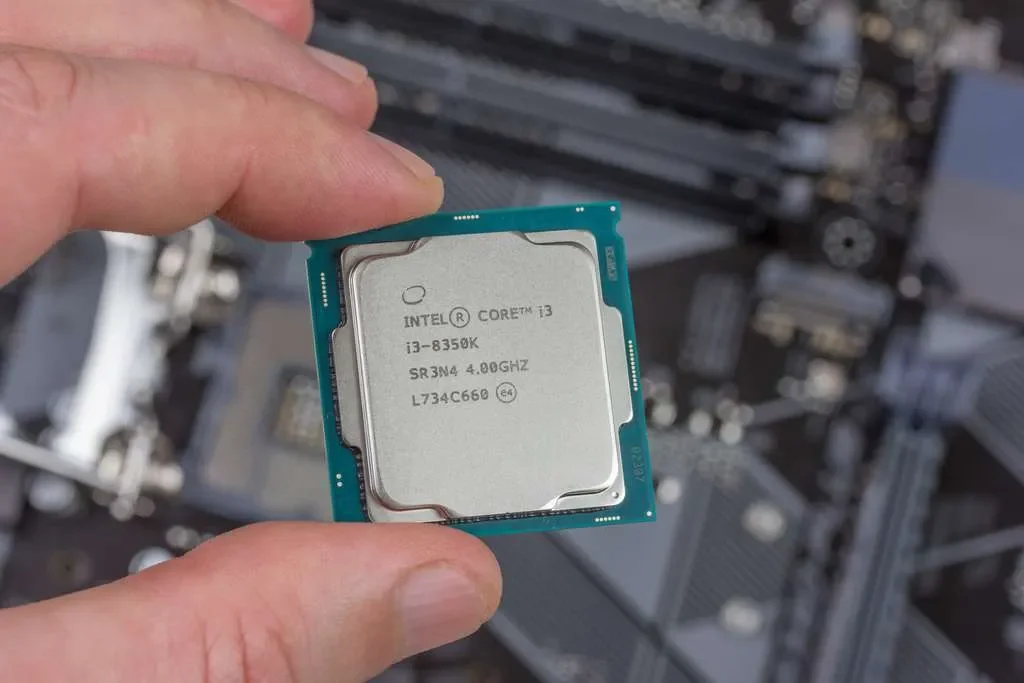
At its heart, a CPU (Central Processing Unit) is the primary micro-processor. It processes instructions, performs calculations, and manages the overall operation of a computer system. Its performance is often characterized by its frequency (speed at which it executes cycles) and the number of cores it possesses, which essentially represent individual processing units within the main chip. These cores handle tasks, and the system can further divide these into threads for more granular task management.
"The CPU is where the 'thinking' happens – it interprets commands and orchestrates the flow of information."
Information for these calculations is frequently drawn from RAM (Random Access Memory), the computer's short-term memory, and stored in smaller, faster cache memory for quicker access during active operations. Power saving measures often see CPUs reducing their frequency and voltage during periods of low demand to conserve energy and minimize heat.
GPUs, on the other hand, were originally designed for graphics rendering but have proven adept at massively parallel processing. They contain a multitude of simpler cores capable of performing the same operation on many different data points simultaneously. This makes them ideal for tasks that can be broken down into many independent sub-tasks, such as the sampling methods discussed in the new research.
Read More: Indigenous Data Rights Now Key in Conservation Genomics
CPU-Z: A WINDOW INTO HARDWARE SPECIFICATIONS
Tools like 'CPU-Z' provide a detailed, real-time overview of a computer's internal hardware. This software, available for Windows and Android, displays specific information about the CPU – including its exact model, manufacturer, generation, core and thread counts, and current clock speed. It also offers insights into memory (RAM) details, such as capacity, type (e.g., DDR), frequency, and operating mode, as well as details on the motherboard and chipset. This level of granular hardware visibility is crucial for understanding the performance characteristics and potential bottlenecks of any given computing system.