The world is witnessing an escalating competition among nations to secure critical minerals, essential components for modern technology and defense. This intensified focus stems from a surge in global electricity demand, coupled with strategic vulnerabilities exposed by supply chain dominance, particularly by China. The ramifications extend from economic stability to national security, prompting a multifaceted response from countries aiming to fortify their resource access and reduce reliance on foreign sources.
Growing Demand and Strategic Vulnerabilities
Recent years have seen an extraordinary resurgence in electricity demand across developed nations, paralleling the ongoing industrialization and consumer growth in developing countries. This heightened demand places a premium on minerals vital for energy technologies, electronics, and defense systems. Simultaneously, China's significant control over the critical minerals supply chain, especially in midstream processing, has emerged as a strategic vulnerability for nations like the United States, impacting their industrial, defense, and clean energy objectives.
Read More: UN Panel Warns AI Risks Grow Faster Than Science and Rules

Increased Global Electricity Demand: Developed world electricity demand, previously stagnant, has seen a significant increase.
Industrialization in Global South: Developing nations continue to experience industrial and consumer booms, driving up resource needs.
China's Dominance: China holds a strong position in the processing and supply of many critical minerals.
Supply Chain Risks: Reliance on single sources for these materials poses a significant risk to national economies and security.
Nations Mobilize to Secure Critical Mineral Supplies
In response to these converging pressures, countries are actively pursuing strategies to enhance their access to critical minerals. This involves not only increasing domestic production but also forging new international agreements and exploring innovative resource extraction methods.
Domestic Production Initiatives: Efforts are underway to boost mining and processing capabilities within national borders. This includes streamlining regulations and encouraging investment in new extraction technologies.
International Cooperation and Agreements: Nations are forming strategic partnerships to create more resilient supply chains. The United States and the European Union are actively negotiating a Critical Minerals Agreement, and a joint action plan exists between Canada and the U.S. to integrate their North American supply chains.
Exploration of New Sources: The U.S. has also focused on unleashing domestic capabilities in seabed mineral development, aiming to create a robust supply chain for critical minerals from ocean resources. This includes developing exploration, collection, and processing technologies while emphasizing responsible practices.
Evidence of a Global "Rush"
The United States is actively working to break China's supply chain dominance through initiatives like the Canada-US Joint Action Plan on Critical Minerals and negotiating a Critical Minerals Agreement with the European Union. The U.S. has also issued executive orders to advance seabed mineral development, seeking to create a domestic supply chain for critical minerals and counter China's influence.

Onshoring Efforts: The U.S. aims to increase domestic production from extraction to processing to reduce reliance on foreign suppliers.
Strategic Alliances: Collaboration with allies like the EU and Canada is a key component of diversifying supply sources.
Deep-Sea Mining Push: The U.S. is actively promoting the development of deep-sea mineral resources, a move that could have significant geopolitical implications and place pressure on international regulatory bodies like the International Seabed Authority (ISA).
China's Influence and Global Market Impact
China's role in the global critical minerals market is substantial, and its export restrictions on materials such as antimony, gallium, and germanium have already triggered a surge in prices for many strategic minerals. These actions underscore the precariousness of supply chains heavily reliant on China and have compelled Western firms to actively seek alternative sources.
Read More: Goldman Sachs predicts 15 million US jobs lost to AI by 2036
Market Dominance: China leads in the production of many strategic materials, including antimony.
Export Controls: Restrictions on key minerals have directly impacted global supply and led to price increases.
Diversification Imperative: End-users are increasingly prioritizing supply diversification due to China's demonstrated willingness to use its market position for leverage.
Impact on Tech Sectors: China's curbs have created headaches for industries reliant on these minerals, including electric vehicle manufacturers and the semiconductor sector.
Untapped Domestic Potential and Environmental Considerations
Beyond the international scramble, analysis suggests that the U.S. may possess significant untapped critical mineral resources within its own borders. A new analysis indicates that needed minerals are already being mined but are currently discarded as byproducts of other mineral extraction processes.
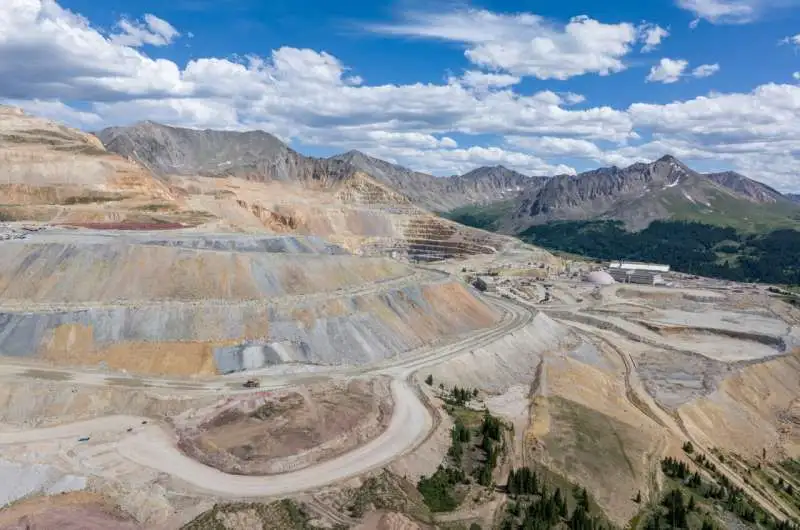
Discarded Resources: Minerals like cobalt, lithium, gallium, and rare earth elements are found in tailings from gold and zinc mining.
Enhanced Recovery Benefits: Recovering these minerals could offer economic and geopolitical advantages, while also reducing the environmental impact of mine waste.
Environmental Concerns in Deep-Sea Mining: The push for deep-sea mining, while promising new sources, raises significant questions about environmental transparency and the potential impact on marine ecosystems, prompting calls for moratoriums from some organizations.
Expert Analysis on Geopolitical and Economic Shifts
The intensifying global competition for critical minerals is viewed as a defining characteristic of the current geopolitical landscape. Experts suggest that control over material resources may become more significant than financial flows in shaping international power dynamics.
"It’s a world of state versus state competition, on behalf of their national businesses. Control of existing stocks also matter, especially where there are real threats to fresh supplies." - The Guardian
"The U.S. support for deep-sea mining could have profound geopolitical repercussions." - Maria Jose (Majo) Valverde, Biodiversity and Sustainability Analyst at Eurasia Group, as quoted in CNBC.
"The Metals Company (TMC) CEO Gerard Barron said, 'It's getting lively.' I think this order will shake up the geopolitical boardgame." - CNBC
Conclusion: A Complex and Evolving Landscape
The global pursuit of critical minerals is driven by a confluence of rising demand, concerns over supply chain security, and geopolitical maneuvering. Nations are adopting a multi-pronged approach, encompassing domestic production enhancement, international collaboration, and exploration of novel resource frontiers like the seabed. While the U.S. is actively participating in this global "rush," it also faces the potential to unlock significant domestic resources that are currently being overlooked. The actions taken now will likely shape the global economic and geopolitical balance for years to come, with ongoing price volatility, supply chain bottlenecks, and geopolitical considerations demanding continuous monitoring.
Read More: Study: People Cooperate More Than They Think Others Do
Sources:
The Guardian: https://www.theguardian.com/environment/2026/feb/16/critical-minerals-shortages-jd-vance-trading-bloc-analysis
GovFacts.org: https://govfacts.org/long-term-challenges-future/resource-scarcity-environmental-limits/critical-mineral-scarcity/critical-minerals-us-strategy-to-break-chinas-supply-chain-dominance/
Council on Foreign Relations: https://www.cfr.org/articles/us-critical-minerals-dilemma-what-know
Financial Times: https://www.ft.com/content/b3709429-a99b-4105-afa5-001d08a3fd80
White House: https://www.whitehouse.gov/presidential-actions/2025/04/unleashing-americas-offshore-critical-minerals-and-resources/
CNBC: https://www.cnbc.com/2025/05/15/trumps-critical-minerals-drive-paves-the-way-for-a-deep-sea-gold-rush.html?bhlid=645b0db265853884f83f18d9560b0db5ddcfdb36&msockid=2e6d01e4924966440a7c16e693f3674b
Asia Financial: https://www.asiafinancial.com/western-firms-rush-to-source-critical-minerals-after-china-curbs
International Energy Agency (IEA): https://www.iea.org/reports/global-critical-minerals-outlook-2025
Phys.org: https://phys.org/news/2025-08-critical-minerals-theyre-thrown-analysis.html