An Unforeseen Triumph in Winter Olympic Moguls
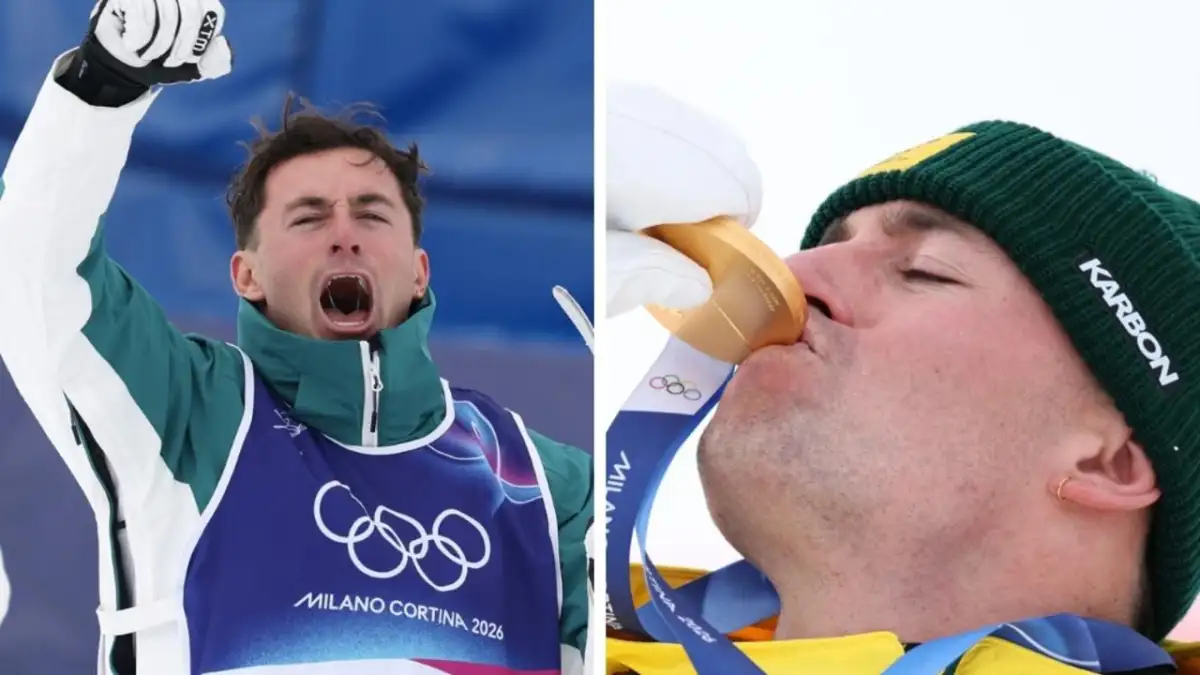
The men's moguls event at the Milano Cortina Winter Olympics has culminated in a surprising and historic victory for Australia's Cooper Woods. Facing formidable competition, including the widely acknowledged "greatest of all time" in the sport, Mikaël Kingsbury, Woods achieved Olympic gold. This win marks a significant milestone for Australian winter sports, adding Woods to an esteemed list of seven Australian Winter Olympic gold medalists. The final competition was marked by intense drama, culminating in a tiebreaker that ultimately favored Woods, sparking celebrations and a degree of surprise within the sports community.
Context of the Competition
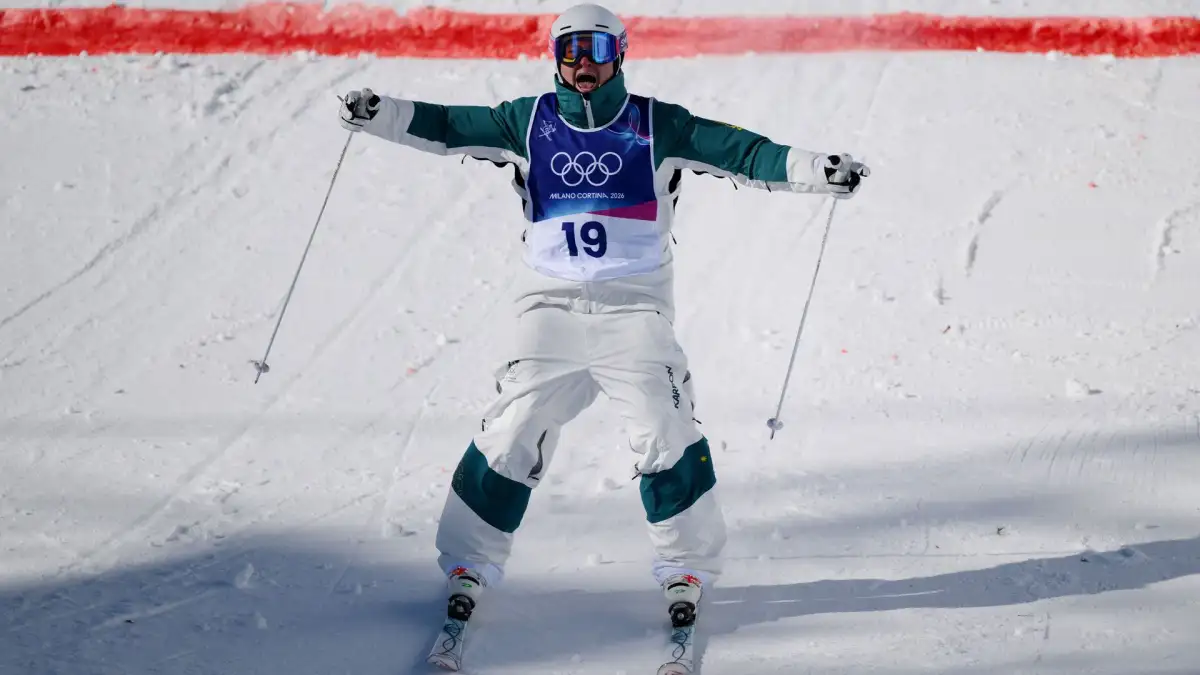
The men's moguls final, held on February 12th, saw Cooper Woods of Australia compete against a field of elite athletes. Woods, ranked World No. 20, advanced to the super-final, a stage that included two other Australians: Matt Graham and Jackson Harvey. This representation of three Australian athletes in the final underscores a growing strength in the nation's moguls program.
Read More: Ina Forrest Aims for Gold Again at Milan Cortina 2026 Paralympic Games

The competition was particularly notable for the close scoring. In the super-final, Woods achieved a score of 83.71, mirroring the score of Canadian legend Mikaël Kingsbury. This identical score triggered a tiebreaker, where Woods was ultimately awarded the gold medal due to his superior score in the "turns" segment of the judging. Reports indicate Woods' turn score was 48.40 compared to Kingsbury's 47.70.

Woods' Background: Prior to this victory, Woods had not won a World Cup gold medal. He had previously competed in the Beijing Olympics, finishing sixth. His World Championship performance the previous year saw him defeat Kingsbury, snapping the Canadian's streak of victories.
Other Australian Competitors: Matt Graham finished in fifth place in the super-final, and Jackson Harvey secured eighth place. Harvey was making his first Olympic appearance.
Historical Significance: Cooper Woods' gold medal is the seventh Winter Olympic gold for Australia. He joins luminaries such as Steven Bradbury, Alisa Camplin, Dale Begg-Smith, Torah Bright, Lydia Lassila, and Jakara Anthony.
Evidence of the Victory and Tiebreaker
Multiple reports confirm the details of Cooper Woods' gold medal win.

Tiebreaker Mechanism: The deciding factor was the "turns" score. Article 3 explicitly states, "Woods was awarded the gold medal outright because he had a higher score on his turns — Woods’ turn score was 48.40 compared to Kingsbury’s 47.70."
Scores: Both Woods and Kingsbury achieved a total score of 83.71 in the super-final (Article 2).
Competitor Reactions: While the focus is on Woods' triumph, reports suggest a rival was "seething" due to the outcome (Article 3). Kingsbury himself landed on the tail of his skis during his final run, receiving 83.44 points, a score that placed him second behind Woods (Article 4).
Australian Representation: Three Australians reaching the super-final is highlighted across several articles, emphasizing the depth of the Australian team in this discipline (Article 2, Article 5).
Analysis of the Performance
The victory can be examined through several lenses, including Woods' prior form, the judging criteria, and the impact of pressure.
Woods' Ascending Trajectory
Woods' win is described as a "stunning result" and an "upset" given his ranking (World No. 20) and prior competitive record. He had never previously won a World Cup gold medal (Article 7).
However, his performance at the previous year's World Championships, where he defeated Kingsbury, demonstrated his capability to perform at the highest level. This prior win also signaled his potential to challenge the established order.
The Crucial Role of Turns
The tiebreaker mechanism, which prioritized turns, played a pivotal role in the final outcome. This highlights the multifaceted nature of moguls skiing, where aerial maneuvers, speed, and technical skill in navigating the bumps are all equally weighted.
Kingsbury's near-flawless performance was ultimately edged out by Woods' superior execution in the turns, illustrating the fine margins in elite competition.
Impact of the "Super Final"
The format of the competition, specifically the "super-final" for the top eight athletes, intensified the pressure on competitors. Woods, like his teammate Jakara Anthony (who also won gold), led after the initial finals run and then "held his nerve" in the decisive second run (Article 5).
This "super-final" stage is where athletes must deliver under extreme scrutiny, with one significant error capable of derailing medal hopes.
Expert Insights and Reactions
While direct quotes from independent experts are not available in the provided text, commentary from Australian officials and former athletes offers a perspective on the significance of the win.
Read More: Hunter Region Gets $12 Billion Train Factory
"He’s worked so hard," – Matt Graham, speaking about Cooper Woods' victory.
Alisa Camplin-Warner, an Australian Chef de Mission and former Winter Olympic gold medalist herself, expressed her delight:
"Welcome to the gold medal club" and was "overjoyed with Australia’s first medal in Milano Cortina." (Article 5).
The "unheralded Aussie" nature of the win is emphasized, suggesting that Woods’ victory surpassed many expectations (Article 3).
Conclusion and Implications
Cooper Woods' gold medal win in the men's moguls is a landmark achievement for Australian winter sports. The victory was secured through a dramatic tiebreaker, underscoring the precise and technical demands of the sport.
Key Findings:
Cooper Woods won Olympic gold in the men's moguls by defeating Mikaël Kingsbury on a tiebreaker.
The tiebreaker was decided by superior "turns" scoring, with Woods scoring 48.40 to Kingsbury's 47.70.
Woods is the seventh Australian to win gold at the Winter Olympics.
Three Australian men, Woods, Matt Graham, and Jackson Harvey, reached the men's moguls super-final.
Implications:
The win elevates Cooper Woods to national prominence and historic status within Australian winter sports.
It further validates the strength and development of Australia's moguls skiing program.
The result is likely to inspire future generations of Australian winter athletes.
Next Steps: While the provided data focuses on the victory, future developments may include follow-up on the athletes' performances in subsequent events, such as the dual moguls competition mentioned (Article 3), and their continued impact on the sport.
Sources Used:
foxsports.com.au: Reported on Cooper Woods' stunning victory against the moguls GOAT and listed Australia's Winter Olympic gold medalists. (https://www.foxsports.com.au/olympics/winter-olympics-2026-mens-moguls-final-live-updates-and-results-matt-graham-australian-medal-chances-video-highlights/news-story/25310e48f20835edc3a91b2730f636b1)
abc.net.au: Confirmed Cooper Woods' gold medal win in the men's moguls, detailing the tiebreaker based on turns score and mentioning the placings of fellow Australians Matt Graham and Jackson Harvey. (https://www.abc.net.au/news/2026-02-12/cooper-woods-wins-winter-olympic-gold-moguls/106338772)
news.com.au: Covered Cooper Woods' dramatic moguls gold medal win, highlighting the controversial finish and the tiebreaker's reliance on turn scores. (https://www.news.com.au/sport/winter-olympics/aussie-cooper-woods-wins-dramatic-moguls-gold-at-winter-olympics/news-story/f78838e0e2a151afb0f1687f9f391673)
nbcolympics.com: Reported on Australia's Cooper Woods upsetting Mikael Kingsbury for the men's moguls gold, noting Kingsbury's performance and score. (https://www.nbcolympics.com/news/australias-cooper-woods-upsets-mikael-kingsbury-mens-moguls-gold)
sportingnews.com: Detailed Cooper Woods' "shock gold medal" win in the Men's Moguls Final on a tie-break, noting his higher turn points and his status as Australia's seventh gold medalist. (https://www.sportingnews.com/au/olympics/news/cooper-woods-stuns-2026-winter-olympics-moguls-gold-medal/6c60800d27cc1e1cc67c1c15)
olympics.com: Provided the schedule for Australian athletes, including the men's freestyle skiing moguls qualification and finals, listing Cooper Woods, George Murphy, Jackson Harvey, and Matt Graham as competitors. (https://www.olympics.com/en/milano-cortina-2026/news/australia-watch-athletes-schedule-medal-events-12-february)
smh.com.au: Announced gold for Australia with Cooper Woods upsetting a moguls legend to deliver the nation's first medal of the Milano Cortina games, noting Woods' prior lack of World Cup gold. (https://www.smh.com.au/sport/gold-for-australia-woods-upsets-moguls-legend-to-deliver-first-medal-of-milano-cortina-20260212-p5o1wm.html)
nine.com.au: Briefly mentioned Cooper Woods' "manic 24 hours" after winning an unexpected gold medal, alongside other Australian Olympic news. (https://www.nine.com.au/sport/olympics)