Congressmen Thomas Massie and Ro Khanna are set to review unredacted documents related to Jeffrey Epstein, following a dispute over the Justice Department's disclosure process. The development comes after repeated criticism from survivors and lawmakers that the released files were incomplete and heavily redacted. The Justice Department has stated its review is largely complete, but is now allowing congressional access to the sensitive materials.
Background of the Disclosure
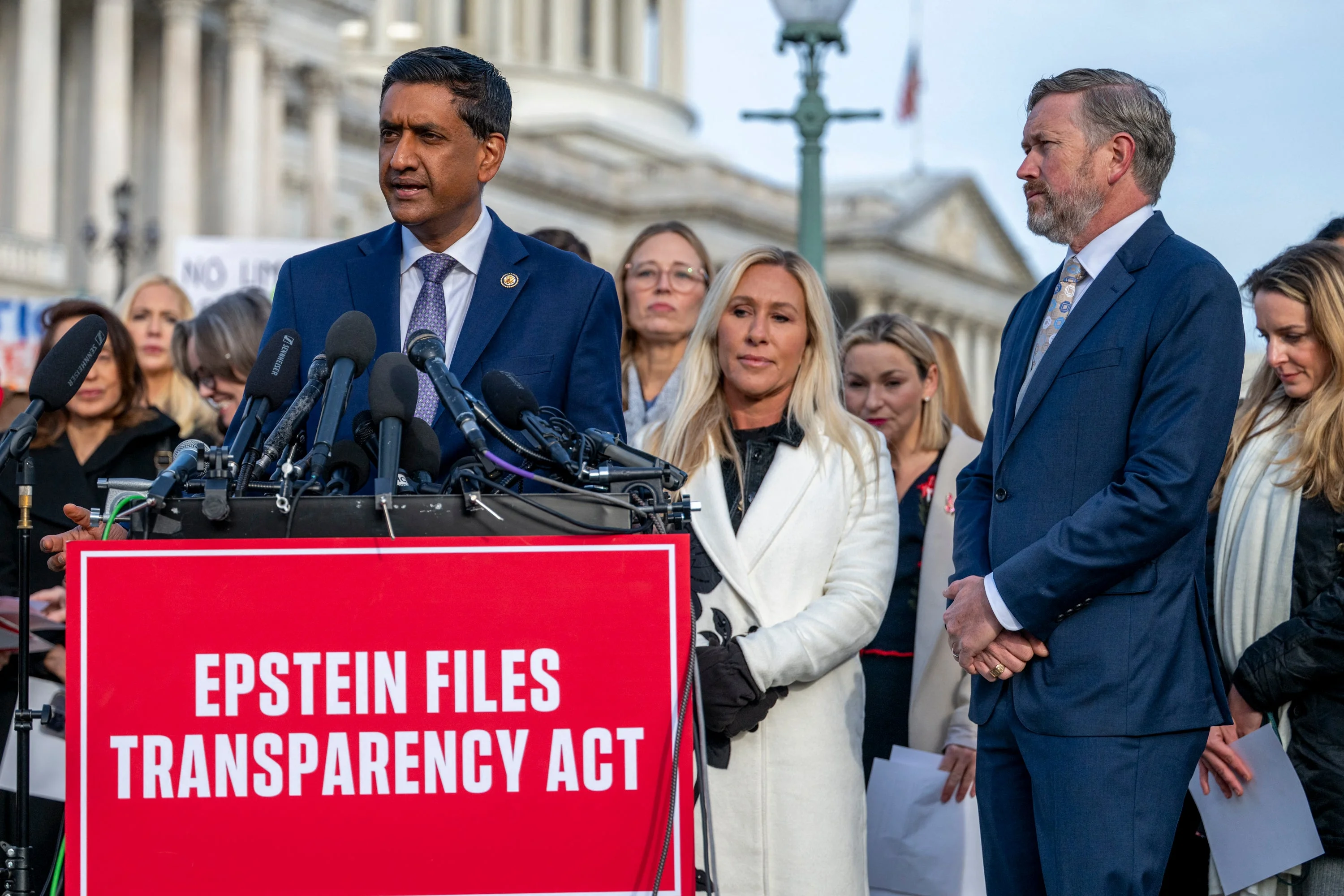
The Justice Department (DOJ) has been in the process of releasing millions of pages of documents connected to Jeffrey Epstein and his associates. This effort began after a bipartisan legislative push, spearheaded by representatives Thomas Massie (R-KY) and Ro Khanna (D-CA), who sponsored the Epstein Files Transparency Act. This law mandated the release of these records.

The DOJ has stated it has reviewed over 6 million pages of documents.
To date, approximately 3.5 million pages have been made public.
Many of these publicly released documents have undergone significant redaction.
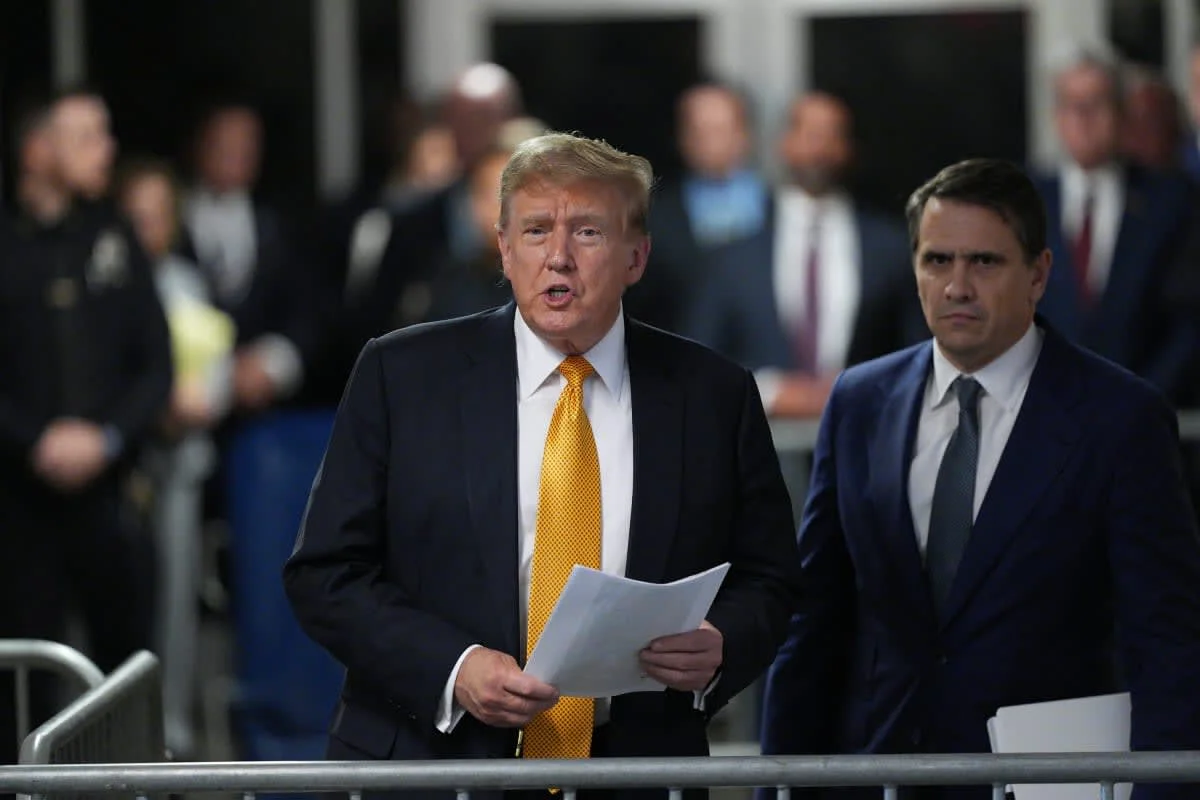
Read More: Trump Disagrees with Federalist Society, Judge Stops His Courtroom Talk
Survivors of Epstein's abuse have publicly stated that the current releases are "incomplete" and that the DOJ's work is "not over" until all required documents are out and all involved parties are fully exposed.
Request for Unredacted Access
Representatives Massie and Khanna have been vocal critics of the DOJ's handling of the disclosure, particularly regarding the extensive redactions and perceived delays in meeting disclosure deadlines, such as the December 19th deadline. They have argued that crucial information is being withheld.
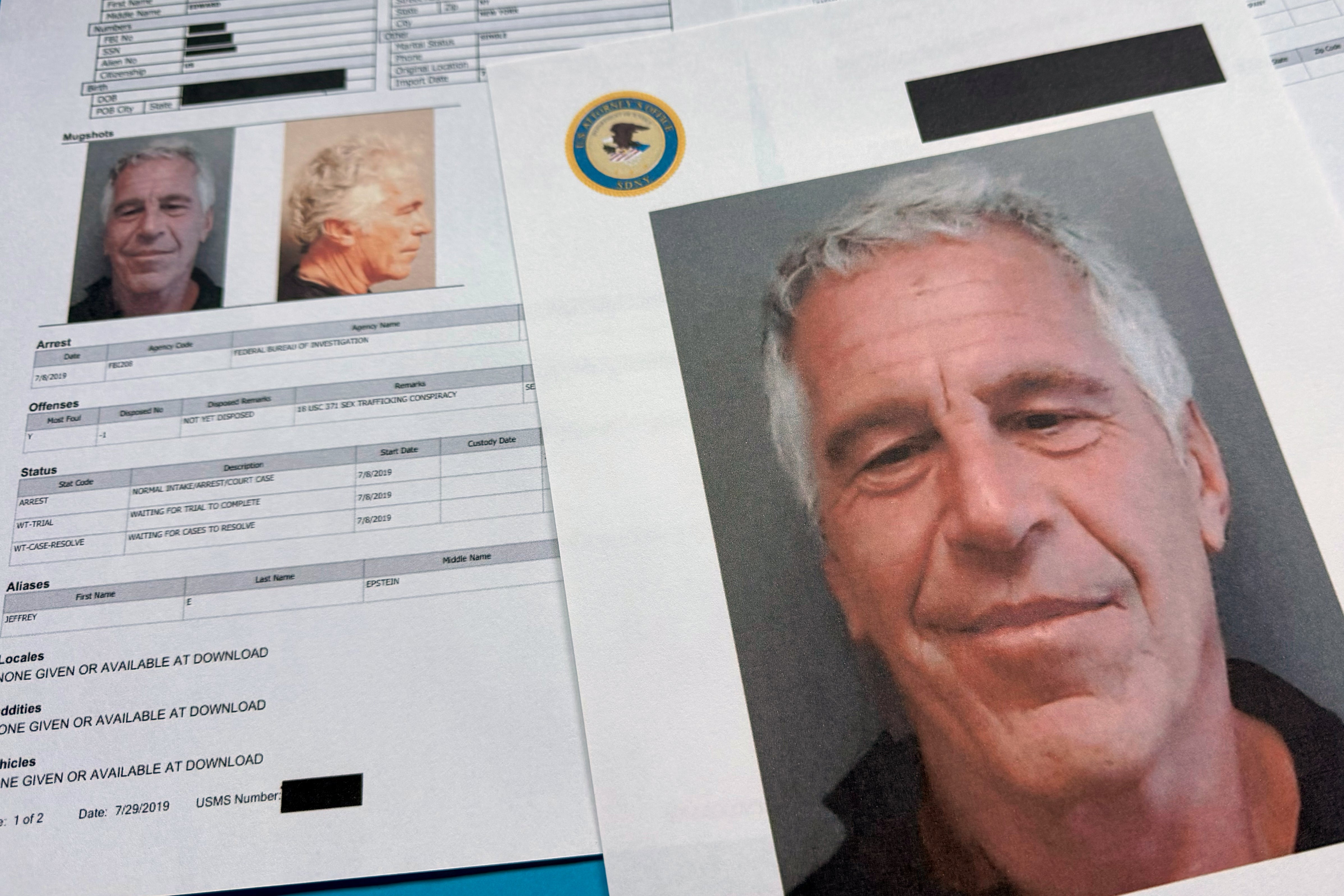
"The Justice Department cannot claim it is finished releasing files until every legally required document is released and every abuser and enabler is fully exposed." - Statement from survivors of Epstein's abuse.
Following the initial release of the documents, Deputy Attorney General Todd Blanche offered lawmakers the opportunity to review the unredacted files. This offer was extended to Congress as a whole.
DOJ's Position and Congressional Response
The DOJ maintains that its review process is largely concluded. Deputy Attorney General Todd Blanche indicated that a small number of documents remain subject to a protective order, awaiting a judge's ruling before they can be released. He stated that after sifting through millions of pages, the department's review is complete.
Read More: Man with Bat Quickly Stopped in Road Fight
"We never did, and our doors are open if they want to come and review any of the materials that we produced." - Deputy Attorney General Todd Blanche.
In response to Blanche's offer, Massie and Khanna formally requested access to view these unredacted files. They have arranged to visit the DOJ to conduct this review.
The review is scheduled to begin on February 9th.
Only members of Congress will be permitted to view the documents; legislative staffers will not be allowed.
The viewing will occur under controlled conditions, as per the DOJ's statement.
The DOJ has indicated that the scope of the disclosed records encompasses multiple sources, including:

Federal cases against Epstein and Ghislaine Maxwell.
A Florida investigation involving an Epstein butler.
Multiple FBI probes.
An internal DOJ watchdog investigation into Epstein's death.
Dispute Over Redactions and Transparency
A central point of contention is the justification and extent of the redactions. While the DOJ cites efforts to protect the privacy of around 1,000 victims who have accused Epstein and his associates of abuse, critics question the breadth of these redactions.
Read More: Lawmakers Question Attorney General Bondi on Epstein Files
The Epstein Files Transparency Act permits the DOJ to withhold limited information, such as victims' personal details.
However, some parties, including a representative named Garcia, have claimed the administration is withholding a "significant portion" of the files while asserting full compliance.
The inclusion of information about alleged abusers and enablers, beyond just victims' personal data, is a key concern for those seeking full transparency.
Expert Analysis
Legal experts and transparency advocates have commented on the ongoing situation.
"The public has a right to know, but there's a delicate balance between transparency and protecting the identities of victims, especially in sensitive cases like this." - Legal Analyst commenting on the redaction process.
Others have raised questions about the DOJ's adherence to legal mandates.
"If the law requires disclosure, then redactions must be strictly limited to what is legally permissible. Any broader withholding could undermine public trust." - Transparency Advocate discussing the dispute.
Conclusion and Next Steps
The upcoming review of unredacted Epstein files by Representatives Massie and Khanna represents a critical juncture in the ongoing disclosure process. Their direct examination of the documents is intended to address concerns about the thoroughness and transparency of the DOJ's work.
Read More: Seattle Pays $29 Million to Family of Indian Student Killed by Police Car
The congressional review aims to verify whether the DOJ has fully complied with disclosure requirements and whether redactions are appropriately limited.
The findings from this review are likely to inform future legislative actions or public statements regarding the Epstein case and the DOJ's practices.
The DOJ's commitment to allowing this controlled access suggests an acknowledgment of the ongoing scrutiny and a willingness to provide a degree of reassurance to lawmakers and the public.
The ultimate impact of this review will depend on what Massie and Khanna discover and how the DOJ responds to any potential findings of over-redaction or incomplete disclosure.
Sources
Spectrum News 1: Published 6 days ago. Article discusses Representatives Massie and Khanna's request to review unredacted Epstein files, referencing Deputy Attorney General Todd Blanche's offer and survivor criticism of the DOJ's release.🔗 Link: https://spectrumnews1.com/ky/louisville/news/2026/02/02/massie-khanna-epstein-unredacted
The Washington Examiner: Published 3 days ago. Reports on the DOJ informing Congress of upcoming access to unredacted Epstein files, detailing the bipartisan effort led by Massie and Khanna, and noting past redactions.🔗 Link: https://www.washingtonexaminer.com/news/justice/4449619/doj-allowing-congress-view-unredacted-epstein-files/
MEAWW: Published January 31, 2026. Covers Khanna and Massie's push for unredacted files amidst transparency disputes, mentioning the DOJ's review process and permitted withholding under transparency law.🔗 Link: https://news.meaww.com/khanna-massie-seek-access-to-unredacted-epstein-files-amid-growing-transparency-dispute
USA Today: Published 2 days ago. Confirms that the DOJ will allow Congress to view unredacted Epstein files starting February 9th, noting that only the congressmen themselves will be present.🔗 Link: https://www.usatoday.com/story/news/politics/2026/02/06/jeffrey-epstein-files-unredacted-congress/88554181007/
The Independent: Published 2 days ago. A brief report confirming that members of Congress will gain access to unredacted Epstein files from the following week.🔗 Link: https://www.independent.co.uk/news/world/americas/us-politics/congress-epstein-files-unredacted-doj-b2915756.html
Read More: Congress Leader Accuses Finance Minister of Lying to Parliament About WTO Deal


)