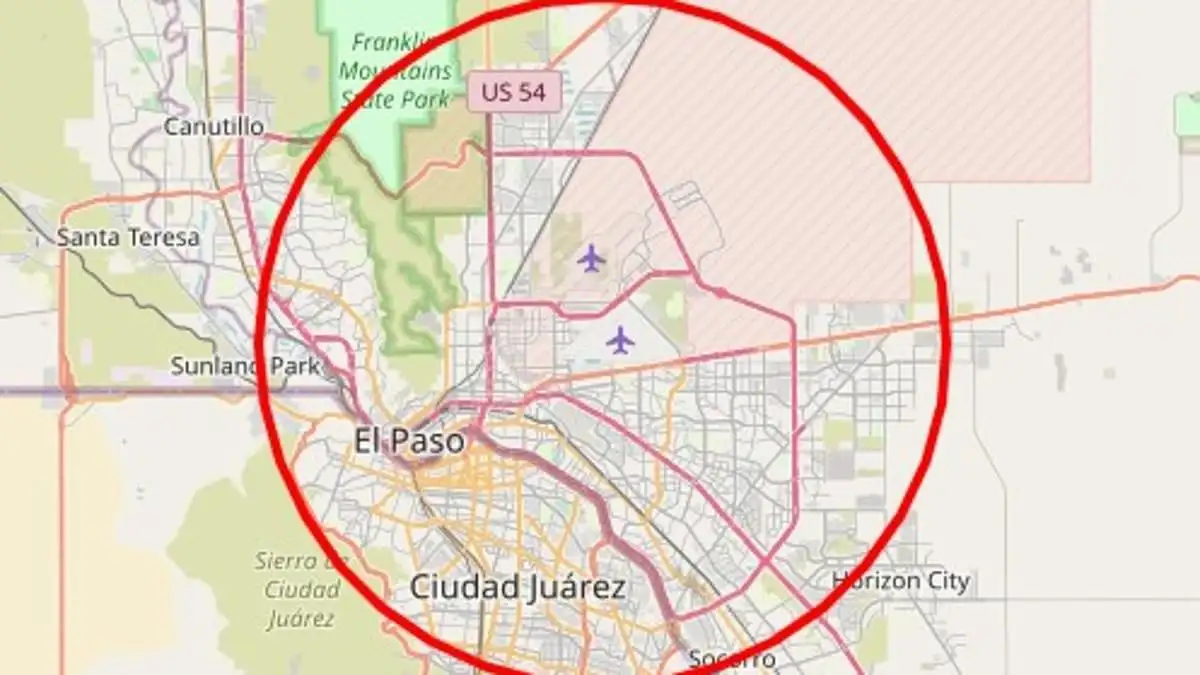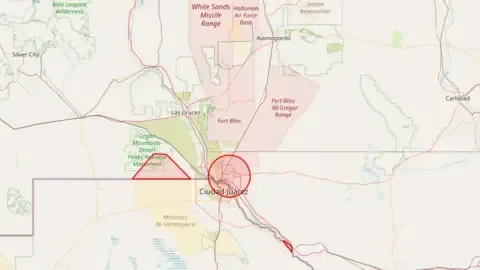
The skies over El Paso, Texas, experienced unexpected disruption when its airspace was briefly closed, causing significant inconvenience and raising questions about inter-agency coordination and the initial justifications provided. The sudden grounding of all flights, including emergency medical evacuations, led to considerable "chaos," as reported by various news outlets. While initial explanations hinted at threats from Mexican cartel drones, further reports suggest a more complex scenario involving a dispute between the Federal Aviation Administration (FAA) and the Pentagon over drone defense technology tests.

Background of the Incident
On Tuesday night, the Federal Aviation Administration (FAA) abruptly ordered the closure of the airspace around El Paso International Airport. This action, lasting for several hours before being lifted, had a substantial impact, forcing medical evacuation flights to divert and causing widespread disruption to air travel. The closure was reportedly initiated without prior notification to key entities such as the White House, the Pentagon, or Homeland Security officials.
Read More: New York Mets vs Atlanta Braves 7 April 2026 NL East game preview

Conflicting Accounts Emerge
Initial statements from a Trump administration official suggested the closure was linked to Mexican cartel drones that the U.S. military had disabled. However, subsequent reports from multiple U.S. media outlets, citing sources close to the matter, point to a different primary cause: a disagreement between the FAA and the Pentagon concerning the safety and execution of anti-drone technology tests.

Cartel Drone Theory: A Trump administration official linked the closure to military actions against cartel drones.
Drone Test Dispute: Other reports indicate a dispute between the FAA and the Pentagon over the testing of a high-energy laser designed to counter drones.
Party Balloon Misidentification: Crucially, reports also surfaced that the U.S. military had shot down a party balloon earlier in the week, mistaking it for a drone, which preceded the drone defense tests and the subsequent airspace closure.
The Core Disagreement: Technology and Protocol
The primary catalyst for the airspace shutdown appears to be the testing of new counter-drone technology by the Defense Department near the Fort Bliss Army base.
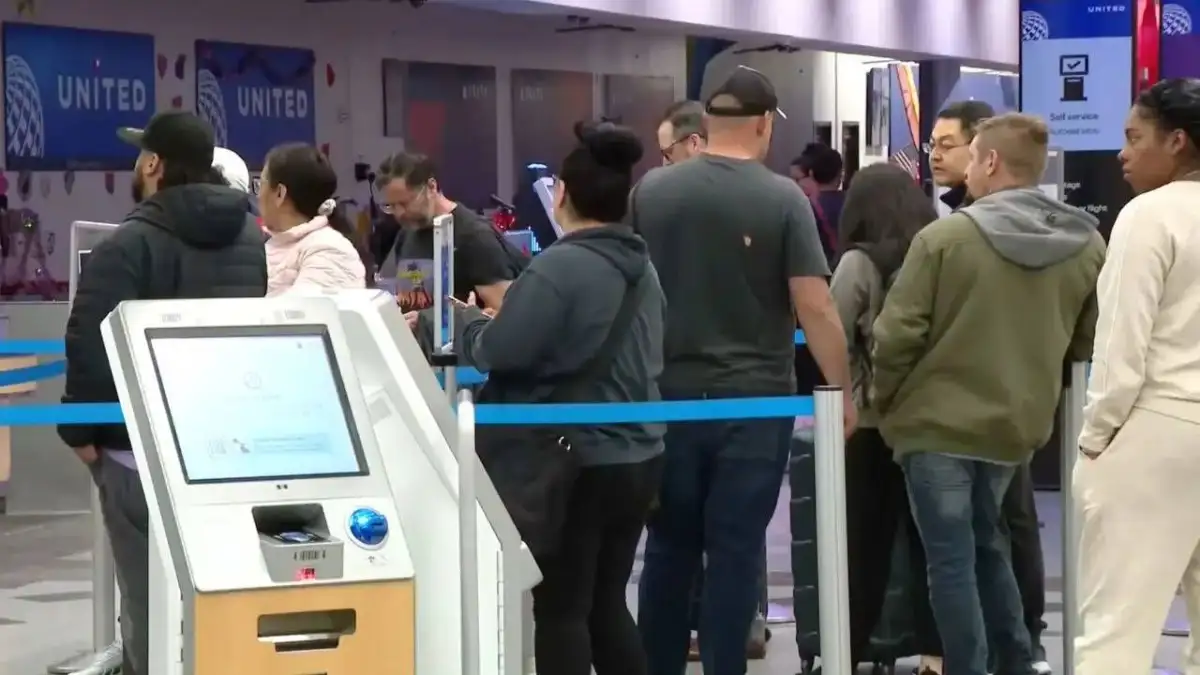
"The unexpected but brief airspace closure in the Texas border city of El Paso stemmed from disagreements between the Federal Aviation Administration and Pentagon officials over drone-related tests, multiple sources close to the matter told CBS News." - CBS News
Sources identified the technology as a high-energy laser. The FAA had reportedly warned the Pentagon about the potential for airspace closure if proper safety reviews were not conducted and adequate notice was not given. Despite these warnings, the tests proceeded, leading to the FAA's swift action.
Read More: Amanda Serrano defends titles May 30 in El Paso against Cheyenne Hanson
FAA Concerns: The FAA expressed reservations about the safety of the tests, particularly their proximity to El Paso International Airport, and the lack of a formal safety review.
Pentagon Action: The Defense Department commenced testing its counter-drone technology, including the high-energy laser.
Balloon Incident: The military reportedly shot down a party balloon, mistaking it for a drone, prior to the main drone defense tests.
Impact and Reactions
The closure of El Paso's airspace had immediate and significant consequences.
"Mayor Renard Johnson held a press conference on Wednesday morning to discuss the major disruptions in the city and emphasized the historic nature of DOD’s decision to shut down airspace over a major U.S. city without any notice." - Timesnownews.com
Flight Groundings: All flights to and from El Paso International Airport were grounded.
Emergency Diversions: Medical emergency evacuation flights were rerouted to New Mexico.
Lack of Notification: Local officials, including El Paso Mayor Renard Johnson and U.S. Representatives Veronica Escobar and Tony Gonzales, stated they were uninformed about the closure until after it had begun. This lack of communication led to frustration and calls for better inter-agency coordination.
"Our nation can prepare for these threats without causing chaos and inducing unwarranted fear," - Mayor Renard Johnson, quoted in HuffPost.
Analysis of Contributing Factors
Several key elements contributed to the incident:
Inter-agency Friction: A notable disagreement existed between the FAA and the Pentagon regarding the protocol for testing advanced drone defense systems in civilian airspace. The FAA's concern over safety and procedure clashed with the military's operational requirements.
Technological Misapplication: The shooting down of a party balloon, misidentified as a drone, highlights potential vulnerabilities or oversights in threat detection systems.
Communication Breakdown: The absence of timely and clear communication between federal agencies and local authorities exacerbated the disruption and fueled public confusion.
Conclusion and Future Implications
The El Paso airspace closure serves as a case study in the challenges of coordinating advanced military testing with civilian air traffic management. While the immediate threat was lifted and the airspace reopened, the incident has underscored the need for improved communication channels and established protocols between the FAA, the Department of Defense, and other relevant agencies. The situation also raises questions about the procedures for identifying and responding to perceived aerial threats, especially in sensitive border regions.
The underlying issues related to drone technology, border security, and inter-agency cooperation will likely continue to be areas of focus.
Sources Used:
BBC News: https://www.bbc.com/news/articles/cqxdwjn578do - Reported on the initial closure and its connection to drone tests, noting cartel drone activity in the region.
HuffPost: https://www.huffpost.com/entry/rogue-party-balloon-agency-squabbling-behind-el-paso-air-space-closure-reportsn698cd3e4e4b01dbafe68bf50 - Provided detailed accounts of the dispute over anti-drone tests and the party balloon incident, attributing reports to CBS News and The New York Times.
Timesnownews.com: https://www.timesnownews.com/world/us/us-news/el-paso-airspace-closure-party-balloon-mexican-cartel-drone-high-energy-laser-article-153597918 - Detailed the dispute between FAA and Pentagon over high-energy laser tests and mentioned the party balloon and cartel drone context.
Associated Press (AP News): https://apnews.com/live/faa-el-paso-texas-air-space-closed-updates - Covered the dispute over lasers to thwart cartel drones and highlighted the lack of notification to local representatives.
CBS News: https://www.cbsnews.com/news/airspace-closure-followed-spat-over-drone-related-tests-and-party-balloon-shoot-down-sources-say/ - Reported on the disagreement between FAA and Pentagon over drone tests and the party balloon being shot down, citing multiple sources.
Gizmodo: https://gizmodo.com/one-mexican-cartel-drone-near-el-paso-airspace-actually-party-balloon-report-2000720631 - Focused on the party balloon being mistaken for a cartel drone and the disruption to emergency flights, referencing reports of infighting between the FAA and DOD.