Blazing Structures, Missing Lives
Eastern Congo faced another instance of its Ebola treatment infrastructure going up in flames. This time, a tent serving as a care site in Mongbwalu was set alight on Friday night. The incident resulted in 18 individuals, suspected of carrying the virus, disappearing from the facility amid the chaos. This marks the second such attack on a treatment tent within a single week, underscoring a deeply fractured dynamic between health efforts and the local populace.
The recurrence of these attacks highlights a palpable friction surrounding Ebola response measures in the region. The torching of the Mongbwalu tent, according to reports from a local hospital director, led to the flight of these 18 individuals. No injuries were initially reported from the fire itself, but the subsequent disappearance of suspected cases presents a significant complication for containment efforts.
Read More: India IVF Costs And Social Barriers Limit Access In April 2026
Escalating Tensions and a Grim Toll
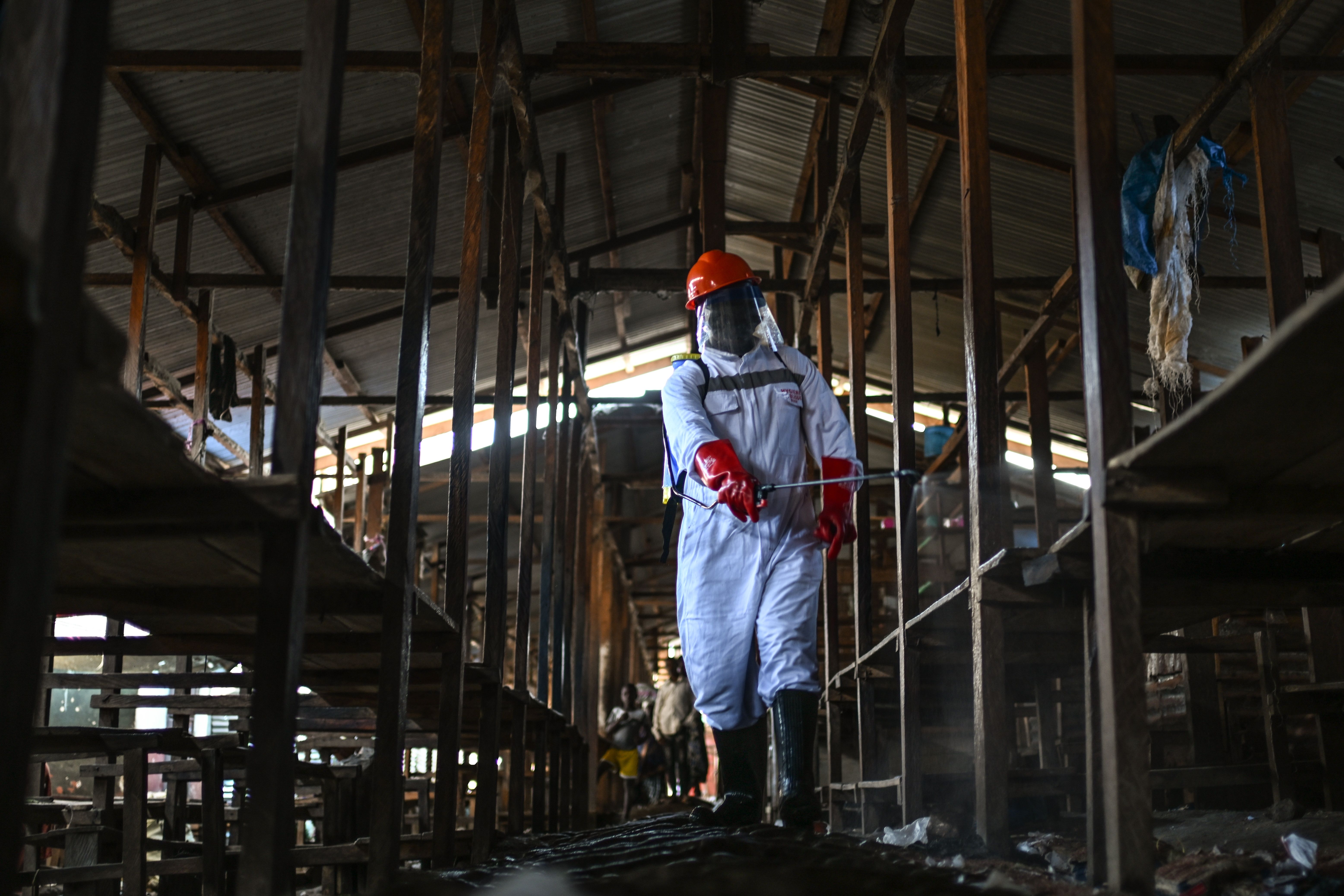
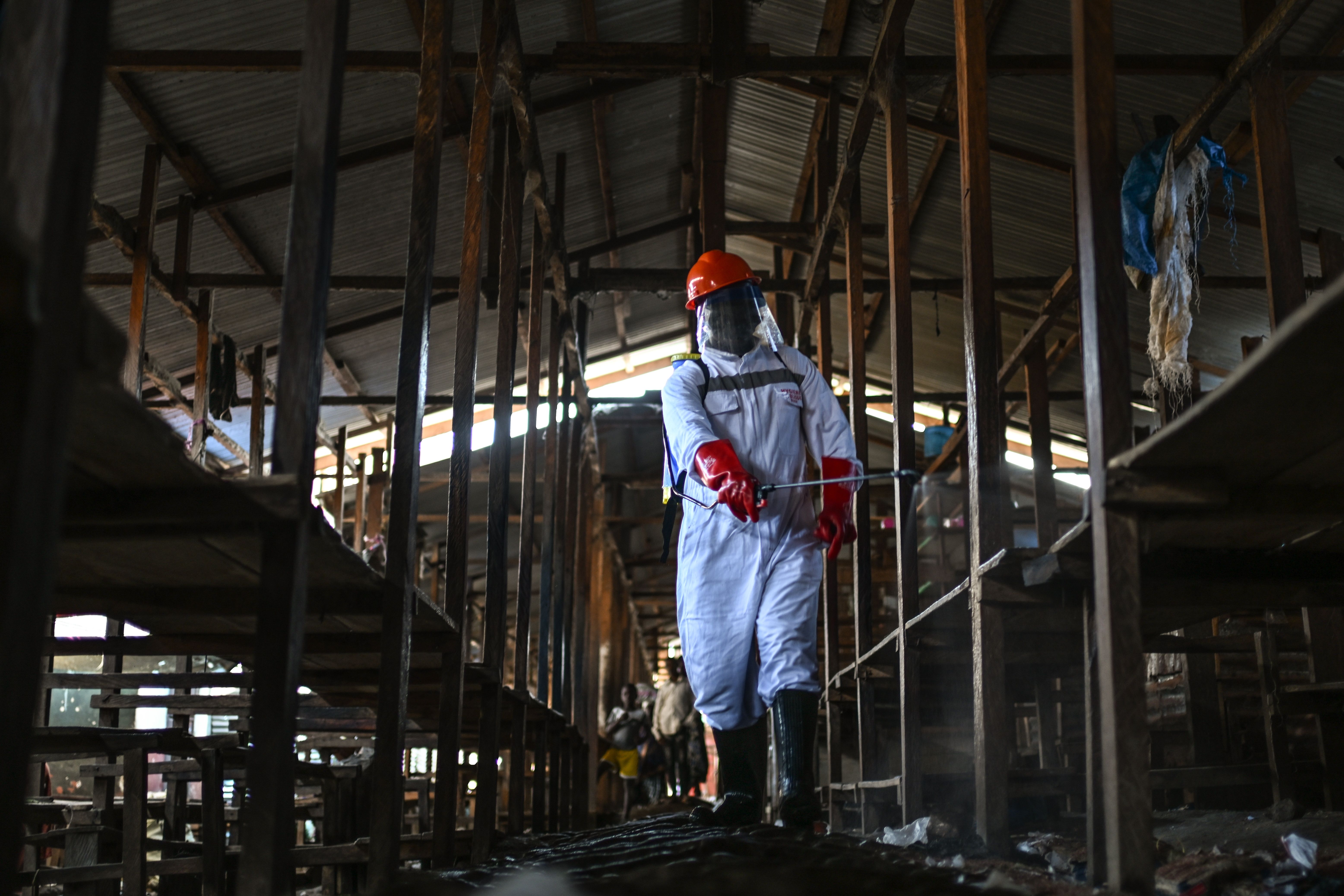
The fabric of trust appears thin. Communal burials for those lost to the virus in Rwampara were conducted on Saturday under heavy security, a clear indicator of the escalating animosity. David Basima, a Red Cross team leader involved in overseeing these burials, described a climate of "high tensions" between health workers and the community.
Further compounding the grim reality, three Red Cross volunteers have died from the outbreak in Mongbwalu, as confirmed by the International Federation of Red Cross and Red Crescent Societies. This loss within the humanitarian ranks speaks to the severe impact of the virus and the risks undertaken by those on the front lines.
Broader Outbreak Picture and International Ripples
The Bundibugyo virus, a less common strain of Ebola, is reportedly at the heart of this particular outbreak. The overall figures paint a stark picture: 750 suspected cases and 177 suspected deaths have been logged, with projections that these numbers will climb as surveillance widens.
Read More: Fikra API Africa Mobile Money AI Access for Developers
Meanwhile, the situation has prompted a response from afar. U.S. federal health officials announced on Friday night a ban on green card holders returning to the United States if they have recently been in Ebola-affected countries. The inclusion of South Sudan on such a list, despite no confirmed cases in that nation, has raised questions.
The origins of the virus's spread remain under scrutiny. In a separate instance, it was noted that three healthcare workers may have contracted the virus on March 27th while involved in managing deceased bodies, an activity deemed part of a humanitarian mission unrelated to the Ebola outbreak at the time.