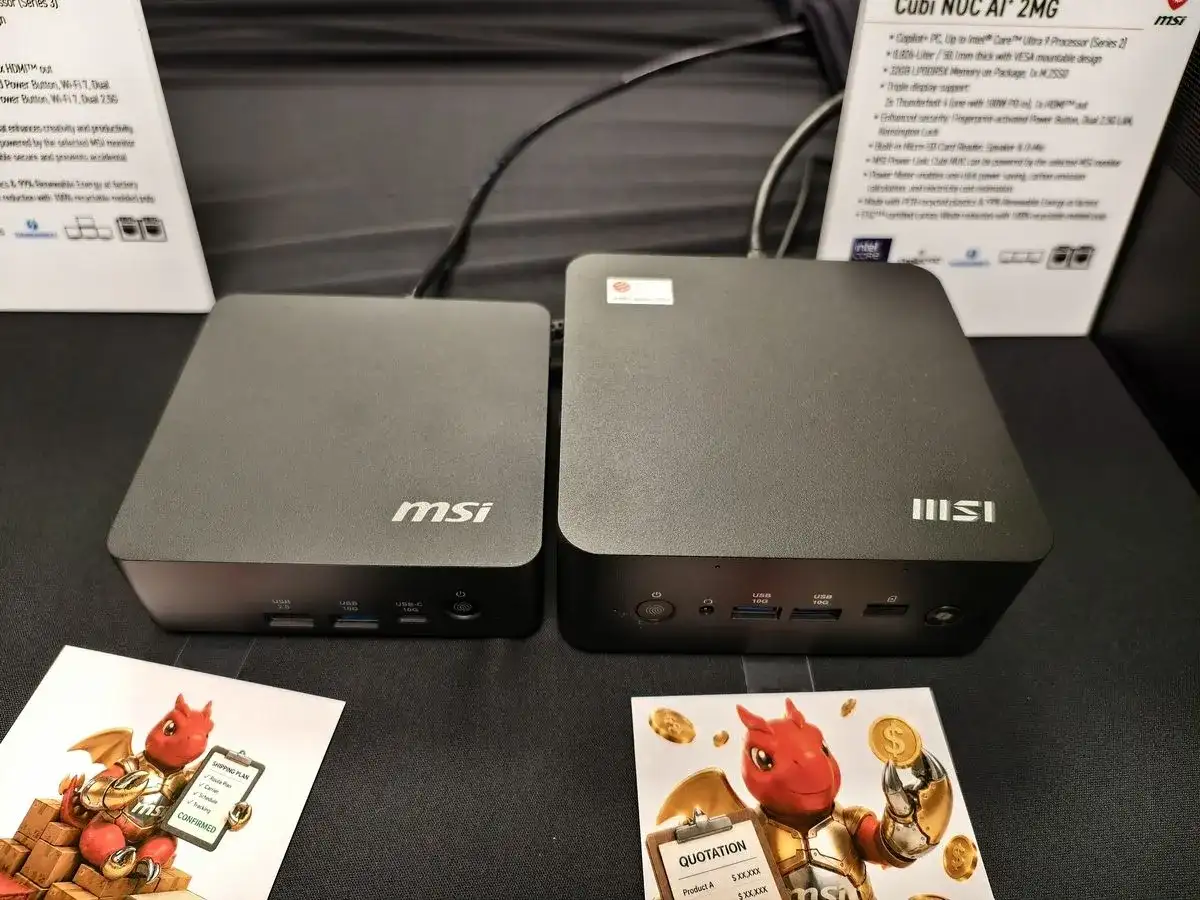
Taipei, Taiwan - The COMPUTEX 2026 trade show, a sprawling exhibition of global tech, has opened its doors, underscoring the pervasive influence of Artificial Intelligence across the computing landscape. AI capabilities are no longer a niche feature but a central pillar of product development and marketing, from high-performance processors to everyday devices. The event, held across multiple Taipei venues, is a testament to Taiwan's critical role in the global electronics supply chain, with many of the world's leading chip designers and manufacturers showcasing their latest innovations.
Arm's Bold Bid for the PC Market
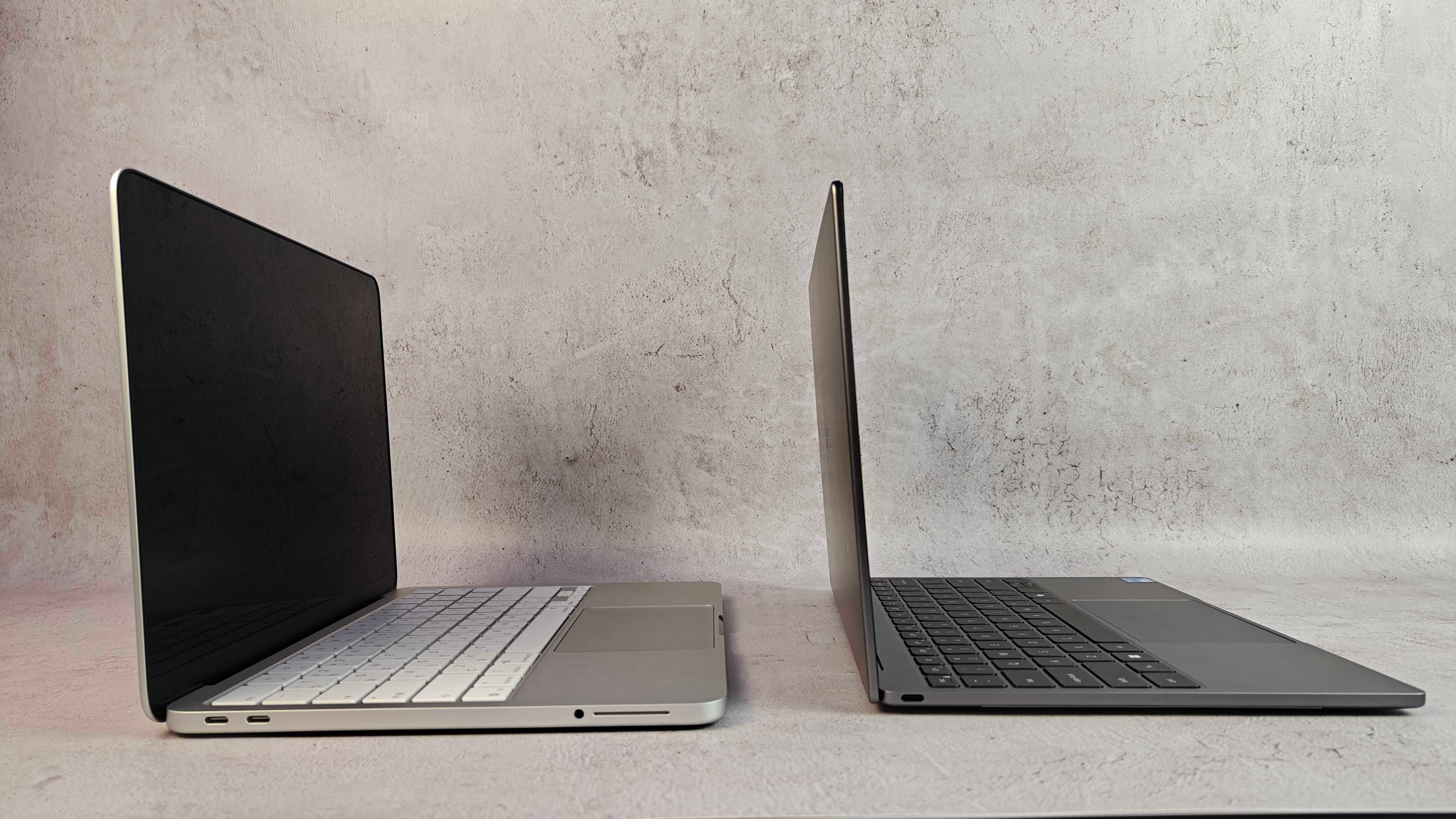
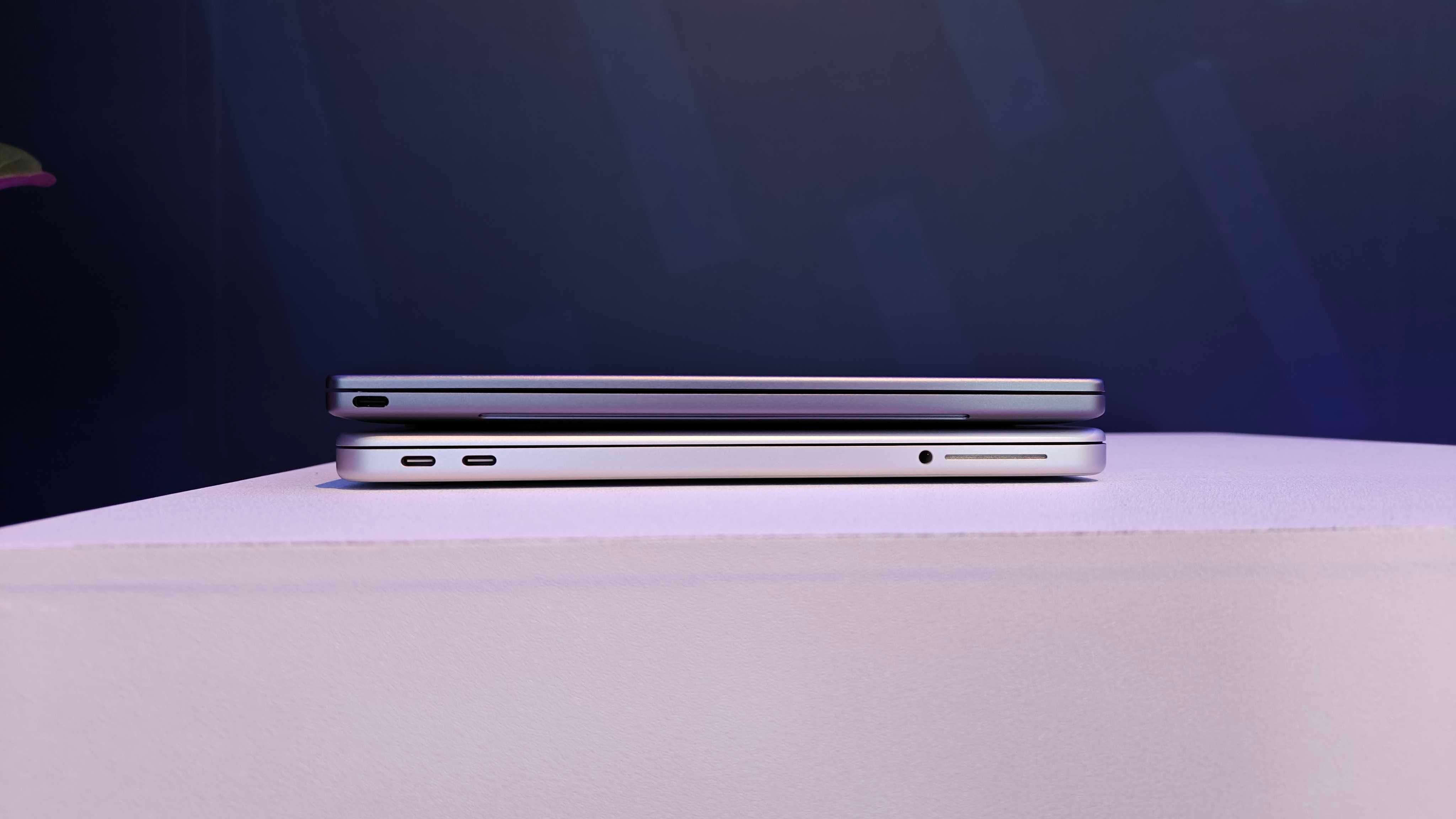
A significant development at the show appears to be Arm's strategic push into the personal computer sector, aiming to challenge the long-standing dominance of Intel and AMD. This initiative is highlighted by the potential introduction of powerful new chips designed to run Windows on Arm architecture. The implications are substantial, suggesting a future where Arm-based processors could offer a compelling alternative for PC users, potentially reshaping the market dynamics. This move represents a significant gamble for Arm, venturing into a territory long defined by established x86 competitors.
Read More: Chrome mimeHandler API lets extensions handle file types
NVIDIA's "RTX Spark" and the Edge AI Frontier
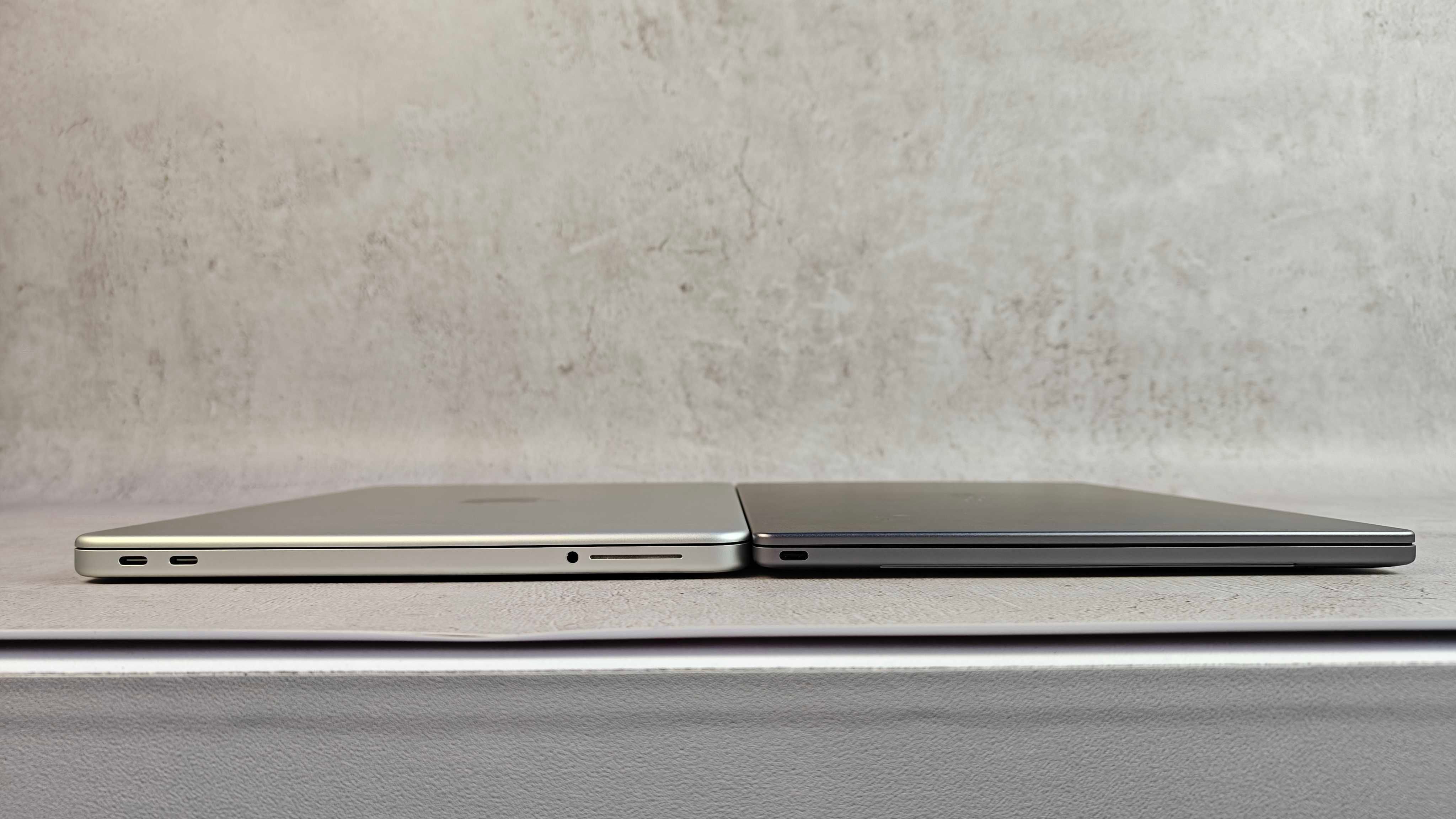
NVIDIA has also made its presence felt with the unveiling of its "RTX Spark" superchip, targeted for both laptops and desktop PCs. The company is also advancing its Jetson Thor platform, a significant player in edge AI computing for autonomous robots, and its Alpamayo open AI models for simulation and autonomous vehicles. Jensen Huang, NVIDIA's CEO, shared the stage with Marvell CEO Matt Murphy, focusing on the current AI boom and the necessary infrastructure expansion. This collaboration signals a concerted effort to build out the foundational technologies powering AI advancements.
Global Chip Shortages and Supply Chain Focus
The backdrop to these technological showcases is a palpable awareness of ongoing global memory shortages, particularly impacting RAM. The industry's focus on enabling local AI model execution, reducing reliance on cloud infrastructure, is a direct response to these supply constraints and evolving user demands. COMPUTEX 2026 serves as a crucial platform for understanding these market pressures and observing how manufacturers are adapting their strategies to navigate the complex global supply chain, with Taiwan at its core.
Read More: Taiwan Holds Nantou County Drills to Prepare for State Collapse
Other Notable Announcements and Trends
InnoVEX 2026 is noted for its record scale, featuring nearly 500 global startups spotlighting practical AI innovations.
ASUS unveiled a special edition of its ROG Rapture GT-BE98 Pro router, emphasizing quad-band Wi-Fi 7.
DeepCool showcased its Assassin V Vision CPU cooler, a prominent display item at their booth.
InWin officially launched the AEON, a case featuring a 1.5mm mirror-polished stainless steel construction.
AORUS, ASUS's gaming brand, introduced a limited-edition INFINITY series encompassing motherboards, graphics cards, cases, and peripherals.
MSI presented the Claw 8 EX AI+, an 8-inch handheld device with a 120 Hz display.
Microsoft is an early adopter of NVIDIA's RTX Spark, notably integrating it into the Surface Laptop Ultra, which reportedly features 128GB of RAM.
Intel detailed its "Crescent Island" AI GPU, boasting up to 480GB of LPDDR5X memory.
AMD announced global availability for its Radeon RX 9070 GRE graphics card and confirmed continued support for the AM5 platform through 2029.
Background
COMPUTEX Taipei, officially the Taipei International Information Technology Show, is an annual major technology event that typically takes place in early June. It is recognized as one of the world's largest and most influential technology trade shows, bringing together industry leaders, manufacturers, startups, and media from around the globe. The event is a key venue for product launches, trend forecasting, and business networking within the IT and electronics sectors.