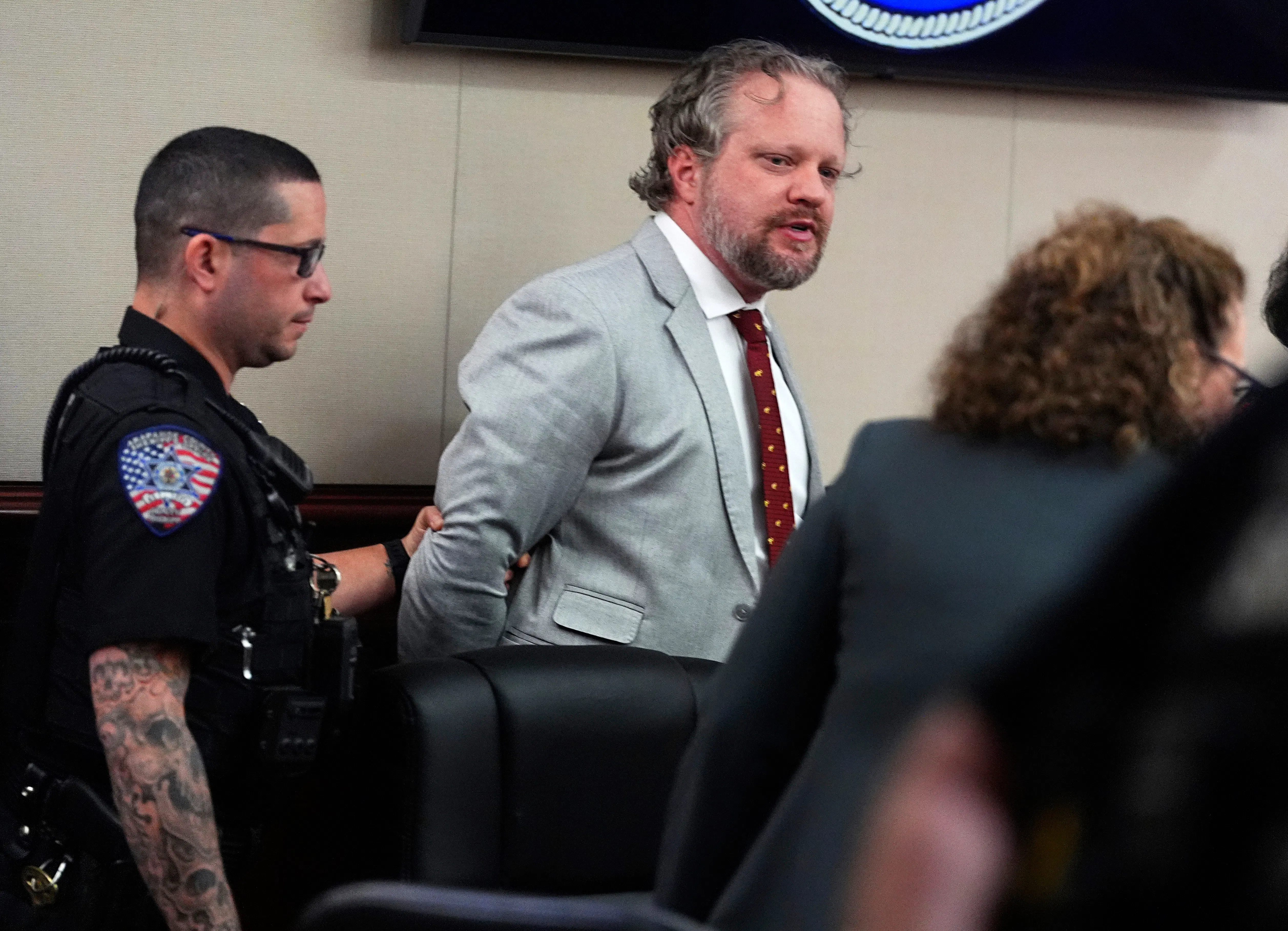
Colorado Governor Jared Polis has granted clemency to Tina Peters, a former county clerk convicted for her role in a scheme to copy voting machine hard drives. Peters, who has maintained claims of widespread election fraud, is now eligible for parole on June 1, effectively commuting her sentence from over eight years to approximately four and a half years, or time served. The decision, announced on May 15, 2026, comes after a state appeals court upheld her conviction last month but also ruled that her sentencing should be re-evaluated due to the judge's perceived bias against her public statements.
Governor Polis stated his clemency was based on the finding that Peters had taken responsibility for her actions and that the original sentence was unduly harsh, influenced by the judge's comments referencing her as a "charlatan" peddling "snake oil." Polis asserted that the judge's remarks suggested Peters' punishment was influenced by her protected speech regarding election fraud claims, violating her constitutional rights. The appeals court had agreed that Peters should be resentenced, but Polis acted before a new sentencing could occur, and prior to any potential appeal to the Colorado Supreme Court.
Read More: Taiwan Holds Nantou County Drills to Prepare for State Collapse
Peters, a staunch ally of Donald Trump, was convicted of allowing an associate of Mike Lindell to access and copy data from Mesa County's Dominion Voting Systems election server while officials were performing updates in 2021. This action was undertaken to support Trump's unsubstantiated claims of a stolen 2020 election. Trump himself had publicly advocated for Peters' release, criticizing her imprisonment and the state officials involved.

The governor's decision has drawn sharp criticism from several Democratic officials in Colorado. Colorado Secretary of State Jena Griswold and Attorney General Phil Weiser, who were involved in Peters' prosecution, issued statements condemning the move. Griswold warned that the commutation would "validate and embolden the election denial movement" and leave a "dark, dangerous imprint on American democracy." Critics argue that granting clemency to an official convicted of breaching election security protocols sends a troubling message to election administrators nationwide, potentially compromising the integrity of electoral processes.
Read More: Colorado Governor Frees Election Denier Peters Early
Peters' case has become a focal point in the ongoing political discourse surrounding election integrity and the challenges facing the American electoral system. While prosecutors contended her actions compromised the voting systems she was sworn to protect, her supporters framed her as a whistleblower seeking transparency. The appeals court's ruling that Peters' original sentence was excessively harsh due to the judge considering her public statements against election fraud highlights the complex interplay between legal judgment and protected political speech.
Governor Polis has granted clemency to a total of 44 individuals in this round, with Peters' case drawing significant attention due to her political affiliations and the contentious nature of her convictions. This intervention by the governor intervenes before a new sentencing hearing, potentially altering the course of further legal challenges to her conviction.
Read More: FBI Analysts Review Georgia 2020 Election Data in Fulton County