The political landscape in Australia is once again in turmoil, with the Liberal and National parties scrambling to mend a rift that threatens to shatter their long-standing opposition alliance. Fresh off the heels of a disastrous election loss, the parties are locked in tense negotiations, offering peace deals and counter-offers that seem more like desperate Hail Mary passes than genuine reconciliations. At the heart of the dispute lies a defiance of shadow cabinet decisions, a move that saw three Nationals senators dumped, leading to a mass resignation of the Nationals frontbench. As deadlines loom and political survival hangs in the balance, the question isn't if the coalition will reunite, but how long this fragile peace will last.
A Fractured Foundation: The Roots of the Rift
The current political drama isn't an isolated incident, but rather a symptom of deeper tensions within the Liberal-National Coalition. The recent split, which saw the parties sitting separately in parliament for the first time in years, was triggered by a direct challenge to the established order: three Nationals senators defied the Liberal-led shadow cabinet and voted against Labor's hate speech bill. This act of insubordination had immediate consequences.
Read More: People Talk About Keir Starmer's Job as Labour Leader
The Defiance: Senators Bridget McKenzie, Ross Cadell, and Susan McDonald voted against the hate speech bill, a move that apparently blindsided the Liberal leadership.
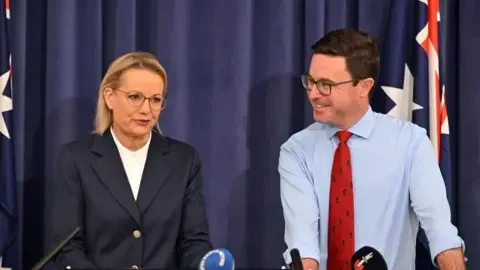
The Punishment: In response, these senators were promptly removed from their positions by the Liberal leader, Sussan Ley.
The Fallout: The Nationals, led by David Littleproud, retaliated by quitting their shadow cabinet roles in protest, effectively dismantling the Coalition.
The Consequence: This split occurred shortly after a significant election defeat, leaving the opposition in a precarious position.
"The Liberal Party's offer is dependent on an agreement that neither individual party room can override shadow cabinet decisions." (9News)
This points to a fundamental power struggle: the Nationals, perhaps feeling their distinct identity and interests are being sidelined, are asserting their independence. The Liberals, on the other hand, appear to be reasserting control and demanding discipline within the united front they believe is necessary to regain power.
The Olive Branch and the Ultimatum: Ley's Offer and Littleproud's Response
Opposition Leader Sussan Ley has extended an offer to reunite the Coalition, but it comes with significant strings attached. The proposed terms, reportedly delivered in writing, include a six-month backbench sentence for the three defiant Nationals senators. This means they would be barred from shadow cabinet positions for that period, a clear signal of the Liberals' desire to enforce discipline.
Read More: Protests in Melbourne During Israeli President's Visit
| Key Element of Ley's Offer | Implications |
|---|---|
| Six-Month Backbench Sentence for rebels | A clear disciplinary measure, designed to deter future insubordination and reassert Liberal control. |
| No Individual Party Room Override | Prevents the Nationals from unilaterally voting against agreed Coalition policy, ensuring unified opposition. |
| Formalization of Liberal-Only Frontbench | If the Nationals don't agree by February 9th, Ley plans to proceed with an all-Liberal frontbench, formalizing the split. |
David Littleproud, the Nationals leader, has stated that his party is taking its time to "consider the details" of Ley's proposition. This cautious approach suggests internal deliberation and perhaps a search for leverage. While the offer is a clear attempt to mend the rift, the strict conditions have evidently not satisfied all within the Nationals party room, with some reportedly believing a "Hail Mary" is needed for a true reconciliation.
Read More: Trump Disagrees with Federalist Society, Judge Stops His Courtroom Talk

Could this be a genuine attempt at reconciliation, or a strategic move to regain control by setting strict terms?
What specific "policy matters" remain unresolved that fueled this crisis in the first place? (7News, BBC News)
A Counteroffer and a Looming Deadline: The Nationals Push Back
As the February 9th deadline approached, the Nationals weren't just passively considering Ley's offer. They have reportedly sent back a counteroffer, a move designed to buy more time and potentially negotiate more favourable terms. This counter-move signals that the Nationals are not ready to simply accept the Liberals' terms, indicating ongoing negotiations and a push-and-pull dynamic.
Liberal frontbencher Dan Tehan has publicly voiced his support for extending Ley's deadline if necessary, a stance that suggests internal divisions within the Liberal party itself regarding the approach to reuniting with the Nationals. Some moderates within the Liberal party, it is reported, have reservations about jumping back into a coalition with the Nationals, especially after such a public spat.
Read More: Many Protests Happen in Australian Cities
"The Nationals have sent Opposition Leader Sussan Ley a counteroffer for a Coalition reunion in a bid to buy more time before an all-Liberal frontbench is appointed." (ABC News)
This counteroffer and Tehan's support for an extension suggest that the path to reunification is far from straightforward. It raises questions about:
The substance of the counteroffer: What specific demands are the Nationals making?
Internal Liberal divisions: How significant are the reservations among moderate Liberals about reuniting?
The ultimate goal: Is the aim to truly rebuild the Coalition, or for one party to gain the upper hand?
Historical Echoes: The Coalition's Rocky Road to Reunification
This isn't the first time the Liberal-National Coalition has faced significant challenges or even temporary splits. The parties, while ideologically aligned as conservative forces, often represent different constituencies and priorities. The Nationals typically draw support from rural and regional areas, while the Liberals have a broader base, including urban and suburban voters. This can lead to policy clashes, particularly on issues like agricultural subsidies, environmental regulations, and resource development.
Read More: Lawmakers Question Attorney General Bondi on Epstein Files
May 28, 2025: The Liberal and National parties reunited a week after a significant split, agreeing to terms that resolved key policy demands. (BBC News, 7News)
Earlier in May 2025: The Nationals walked away from the partnership following a landslide election loss to Labor, ending a decades-long alliance. (7News)
The fact that the Coalition has been revived "a week after the break-up" and that issues were "resolved" in past instances (BBC News) suggests a pattern of crisis, negotiation, and eventual reunion. However, the circumstances surrounding this particular split – a direct challenge to shadow cabinet authority – may indicate a deeper shift in the power dynamic.

"The Coalition has reunited over a week after the dramatic split between the Liberals and Nationals." (7News)
The critical question is whether the current offer and counteroffer address the fundamental issues that led to the breakdown, or merely paper over the cracks for a temporary fix.
Analysis: The Perils of Post-Election Turmoil
The current crisis within the Liberal-National Coalition is a stark illustration of the pressures that emerge after a significant election defeat. Losing power often exposes pre-existing fault lines and intensifies internal struggles for leadership and direction.
Read More: Barbeques Galore Stores Close After Company Faces Money Problems
"Ley replaced former Liberal leader Peter Dutton following the Coalition's poor election results earlier this month, with Labor winning its second term in a landslide victory." (BBC News)
Political analysts like Pandanus Petter from the Australian National University's School of Politics and International Relations have noted that reunions were "expected" (BBC News). However, the terms of this reunion, and the public display of disunity, carry significant weight.
Loss of Credibility: A fractured opposition struggles to present a united and credible alternative to the governing party. This disunity can be a gift to Labor, allowing them to campaign on a platform of stability and competence.
Internal Power Play: The Liberals, under Ley, are attempting to reassert control and discipline after what was clearly a significant electoral blow. The Nationals, conversely, seem to be leveraging the situation to press their own agenda and perhaps gain more autonomy within the Coalition.
The "Backbench for Six Months" Clause: This is a particularly strong indicator of the Liberals' intent to enforce their will. If accepted, it would set a significant precedent for future Coalition negotiations.
Will the Nationals accept such a harsh penalty, or will they push for concessions that fundamentally alter the Coalition's power balance?
What does the Liberal party room's support for an extended deadline reveal about their strategy – desperation or pragmatism?
The Road Ahead: Reunion or Redefinition?
As Sussan Ley sets her deadline, the future of the Liberal-National Coalition hangs precariously in the balance. The parties are not just negotiating a political alliance; they are grappling with their very identity and their effectiveness as an opposition.
Read More: Congress Leader Accuses Finance Minister of Lying to Parliament About WTO Deal
The current proposals, while aiming for a reunion, highlight a deep-seated tension: the Liberals' desire for centralized control versus the Nationals' push for greater autonomy.
If the Nationals accept Ley's terms: It could signal a period of enforced unity, but potentially with simmering resentment and a continued struggle for influence. This might offer short-term stability but could breed further conflict down the line.
If the Nationals reject the terms and offer a significantly different counter-proposal: It could lead to a prolonged period of disunity, potentially forcing Ley to form a Liberal-only frontbench. This would fundamentally alter the opposition landscape in Australia and could lead to a strategic re-evaluation by both parties.
If an extension is granted: It buys time, but the underlying issues will need to be addressed more substantively than perhaps they have been in past reconciliations.
Read More: Top AFL Players Negotiating Big New Contracts
Ultimately, the outcome of these negotiations will reveal whether the Liberal and National parties can truly adapt to their post-election reality, or if their fundamental disagreements will lead to a more permanent and significant redefinition of their political partnership. The Australian public is watching, waiting to see if the opposition can unite to effectively scrutinize the government, or if their internal battles will continue to dominate the political discourse.
Sources:
9News: https://www.9news.com.au/national/coalition-remains-in-tatters-despite-constructive-talks-liberal-peace-offering/47e72c72-8fb0-45e1-ac41-859354f6ab31
The Guardian: https://www.theguardian.com/australia-news/2026/feb/03/nationals-coalition-backbench
Sky News Australia: https://www.skynews.com.au/australia-news/politics/opposition-leader-sussan-ley-offers-ultimatum-to-national-party-for-coalition-reunification-as-talks-ongoing/news-story/57be1819b500c1f6f47bd42d02667d05 (Note: Content access restricted by cookies, primary information extrapolated from article titles and provided summaries.)
ABC News: https://www.abc.net.au/news/2026-02-05/nationals-issue-ley-with-reunion-counteroffer/106311354
Google News: https://news.google.com/topics/CAAqJggKIiBDQkFTRWdvSkwyMHZNR05vWjJoNUVnVmxiaTFIUWlnQVAB?hl=en-AU&ceid=AU%3Aen (General topic overview, not specific to this story.)
7News: https://7news.com.au/news/liberals-and-nationals-back-together-after-brief-break-up-c-18838775
news.com.au: https://www.news.com.au/ (General news aggregation site, no specific article directly tied to the core story content.)
The Nightly: https://thenightly.com.au/politics/australia/ley-littleproud-locked-in-talks-as-liberal-national-parties-ponder-getting-coalition-band-back-together-c-18784579 (Extraction failed or content too short as per input.)