Water Bodies Show Sensitivity to Atmospheric Changes
New analyses, drawing from data up to March 2026, indicate significant shifts in lake behavior, with scientists observing direct correlations between atmospheric conditions and water body fluctuations. These inland water ecosystems, geologically defined as temporary, are increasingly exhibiting marked ice-and-temperature swings.

The research highlights how changing climate patterns are impacting the very nature of lakes, driving observable effects like altered evaporation rates, storm intensity, and the phenomenon of lake-effect snow. This suggests a direct, measurable influence on how these substantial bodies of water form, persist, and interact with their surrounding environments.
The Mechanics of Water Bodies
Lakes, by definition, are distinct from flowing systems like rivers and the vastness of oceans. They acquire and lose water through various geological and atmospheric processes. Formation can occur through tectonic stretching, creating vast rift valleys that fill with water, or through fluvial processes, resulting in features like ox-bow lakes. Other types include aeolian lakes, shaped by wind activity in arid regions, and impact craters, sometimes referred to as extraterrestrial impact lakes.
Read More: New Mexico Sues Air Force Over 'Forever Chemicals' Near Bases
Scale and Scope of Global Lakes
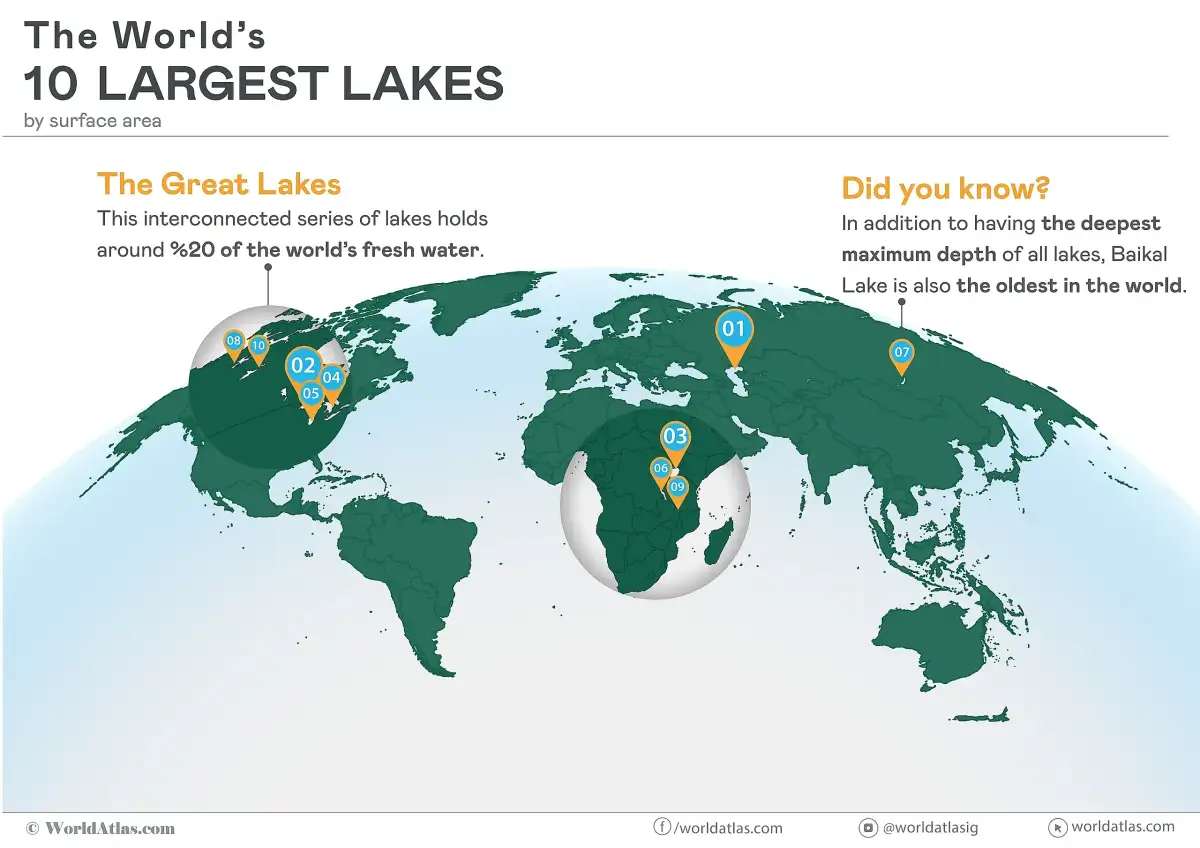
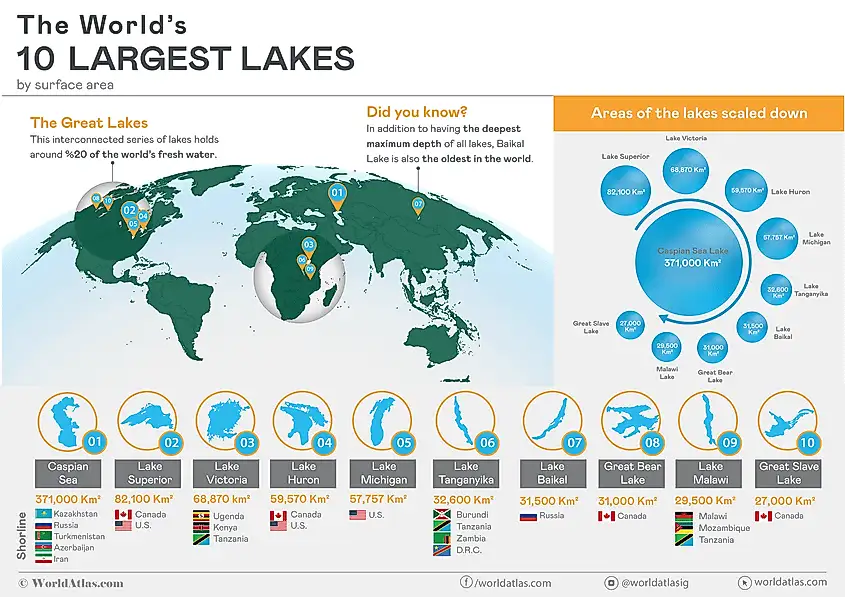
The sheer scale of some lakes is considerable. The Laurentian Great Lakes, for instance, together span approximately 94,250 square miles (244,106 km²). On a global scale, notable large lakes include Lake Superior and Lake Baikal in Siberia, the latter covering 31,722 km². Lake Malawi in Africa is another significant feature, holding more water than other lakes in its region.
Notable Examples and Geographical Diversity
The world hosts a diverse range of lakes, from the extensive Great Lakes of North America to unique geological formations. Lake Vostok in Antarctica, a vast subglacial body, represents a unique extreme. Historically, remnants of former lake systems, such as Lake Winnipeg and Lake Winnipegosis, illustrate the transient nature of these features. Geographic regions, like England's Lake District, are defined by their lacustrine landscapes.