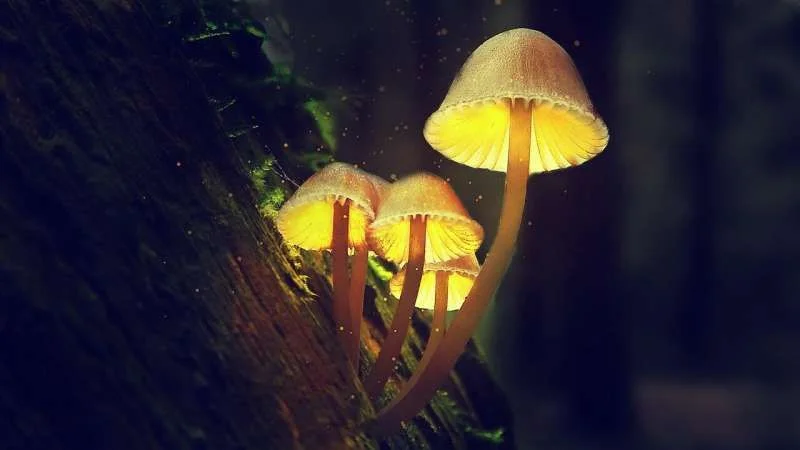
A recent breakthrough has pinpointed the last missing enzyme in the complex fungal bioluminescence pathway (FBP), a discovery poised to significantly enhance the efficiency and expand the applications of light-emitting tools. Researchers have successfully identified and characterized this crucial enzyme, dubbed CPH, which converts a molecule called oxyluciferin into caffeic and pyruvic acids. This advancement, detailed in The FEBS Journal, suggests potential pathways to sustain fungal light emission and reduce the energy demands of such biological light sources.
The significance of this finding extends beyond fundamental science. Medical researchers are already leveraging the FBP to visually track internal bodily processes, including the progression of tumors and inflammatory conditions. The ability to precisely monitor these biological events visually offers a novel approach to diagnostics and understanding disease dynamics.
Further investigation into the FBP reveals its potential for self-sustained luminescence. Unlike traditional bioluminescence systems that require external addition of light-producing chemicals (luciferins), the FBP appears to directly integrate with a host organism's own metabolic processes. Specifically, caffeic acid can be recycled within the pathway to maintain light output, while pyruvic acid could be redirected to generate cellular energy. This intrinsic capability is a cornerstone for developing more autonomous and energy-efficient light-emitting applications.
Read More: 3D Printed Eggs Hatch Live Chicks in New Synthetic Biology Advance

Autonomous Luminescence in Engineered Plants
The FBP's unique ability to couple with host metabolism has already been explored for horticultural innovation. Research published in The Journal of Plant Physiology highlights the potential of engineering plants that can produce their own light autonomously. These "autonomously luminescent plants," powered by photosynthetic energy, offer a sustainable alternative to conventional systems that rely on external luciferin application. This approach represents a significant step towards sustainable, self-powered light sources integrated directly into living organisms.
Unraveling the Fungal Light Code
The quest to understand how certain fungi produce their characteristic glow has been ongoing. For years, scientists have known that bioluminescence in organisms like fireflies and deep-sea dwellers, as well as specific fungi, relies on specialized enzymes converting chemical energy into visible light. Key genera of naturally glowing fungi include Mycena, Panellus, Omphalotus, and Armillaria.
Early research, dating back to 2018, began to map out the enzymatic steps involved. Studies demonstrated that fungal luciferin, the essential molecule for light emission, is closely linked to caffeic acid, a common metabolite produced by fungi. By comparing glowing and non-glowing mushroom species, researchers identified the specific enzymes responsible for synthesizing luciferin, even tracing its evolutionary roots back over a hundred million years. Experiments successfully introduced these fungal bioluminescence genes into non-luminescent organisms like yeast, resulting in observable glowing colonies.
Read More: Burning Feet May Mean Serious Health Problems, Doctors Say
The current breakthrough appears to be the culmination of these efforts, specifically identifying the final enzyme in this intricate cascade, which is crucial for understanding and manipulating the entire pathway for practical applications.