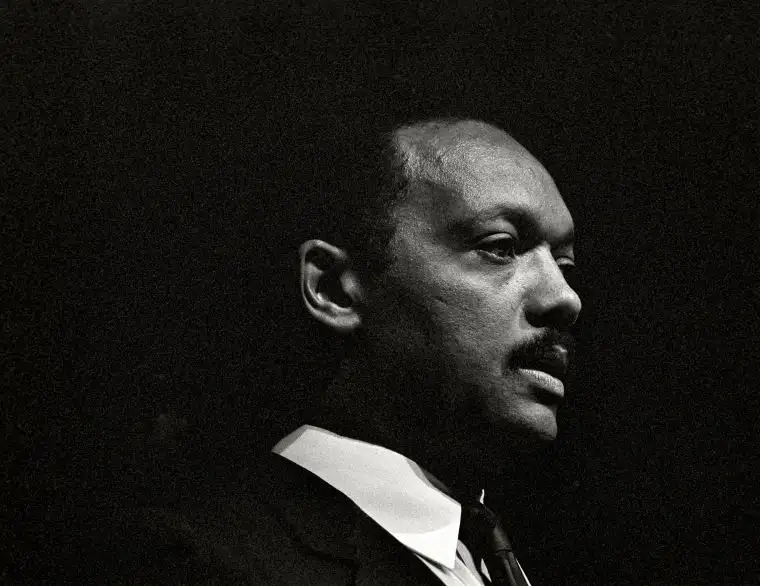
The Rev. Jesse Louis Jackson Sr., a towering figure in the American civil rights movement, a two-time presidential candidate, and a Baptist minister, has died at the age of 84. His family confirmed his passing in a statement, marking the end of a life dedicated to advocating for justice and equality. Tributes from across the political spectrum have poured in, acknowledging his profound impact on American society.
Rev. Jackson’s death was announced by his family, who released a statement confirming his passing. While the exact cause of death has not been officially released, his family had previously shared that he had been experiencing health challenges. These included a diagnosis of Parkinson’s disease over a decade ago, which later evolved into Progressive Supranuclear Palsy (PSP). He had been hospitalized in Chicago in November due to a rare neurological disorder, spending time in intensive care.
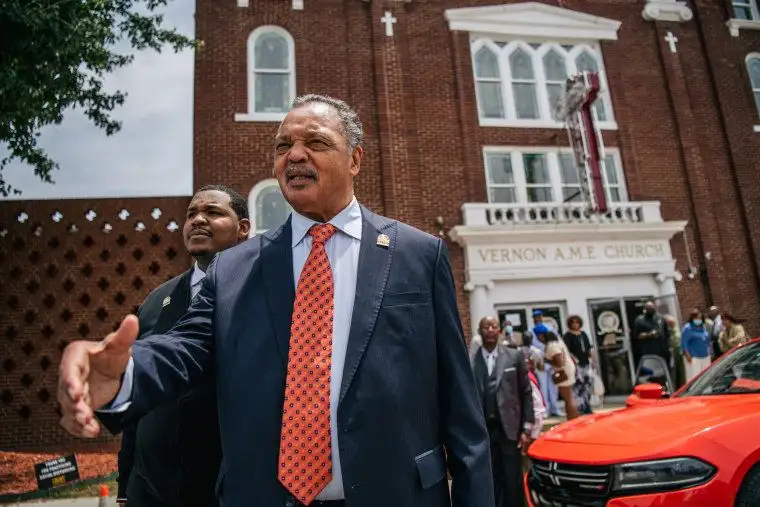
His career spanned decades, beginning as an organizer with the Congress of Racial Equality and working closely with Dr. Martin Luther King Jr. Jackson's powerful oratory and persistent activism helped shape the civil rights landscape and influence American politics, particularly within the Democratic Party. Beyond his activism, he was a prominent religious figure and a national political voice, making two runs for the U.S. presidency.
Read More: Victor Willis of Village People Dies at 74

A Life Dedicated to Advocacy and Change
Jesse Jackson's influence extended far beyond the direct struggle for civil rights. He was known for his passionate speeches, his ability to mobilize communities, and his willingness to engage with world leaders. His work was characterized by an unwavering commitment to justice, equality, and human rights, aiming to bring the nation closer to its stated ideals.
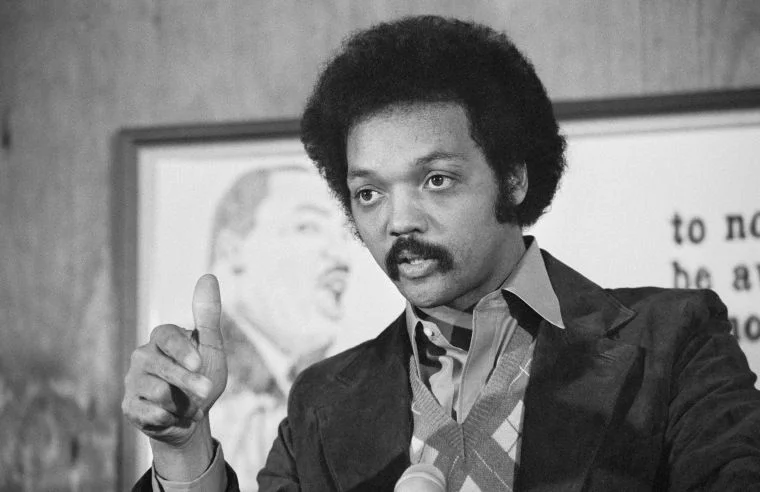
Early Activism: Jackson began his career as an organizer, participating in marches and sit-ins. He worked alongside Dr. Martin Luther King Jr., calling the experience "a phenomenal four years of work."
Political Pursuits: He twice sought the U.S. presidency, bringing his message of populist reform to a national stage. His campaigns significantly impacted the Democratic Party's platform and discourse.
Global Engagement: Jackson engaged in international diplomacy, once causing a sensation by persuading the Cuban president to attend church with him during a visit.
Later Years: In his later years, he was regarded as an elder statesman within the civil rights movement, continuing to lend his voice and experience to ongoing struggles for justice.
Health Challenges Prior to Passing
In the years leading up to his death, Rev. Jackson faced significant health issues. His family had been open about his struggles, which began with a Parkinson’s diagnosis more than ten years ago. This diagnosis was later revised to Progressive Supranuclear Palsy (PSP) in April, a condition with similar but distinct neurological effects.
Progressive Supranuclear Palsy (PSP): This neurological disorder affects movement, balance, and cognitive functions.
Hospitalization: In November, he was hospitalized in Chicago due to a rare neurological disorder and received care in the intensive care unit.
Ongoing Health Issues: His family noted that he continued to experience health challenges related to his condition in the period before his death.
Reactions and Tributes
The news of Rev. Jackson's passing elicited widespread reactions from prominent figures across politics and civil rights. Many described him as a "towering giant" and an "icon" of the civil rights movement.
Read More: Supreme Court Will Not Hear Brian Flores NFL Race Lawsuit, Case Continues
Political Figures: Politicians from both sides of the aisle, including former President Donald Trump and President Joe Biden, offered their condolences and paid tribute to his legacy.
Civil Rights Leaders: Figures like the Rev. Al Sharpton, a fellow civil rights leader, addressed the media, highlighting Jackson’s enduring influence. Bernice King, daughter of Martin Luther King Jr., also shared her thoughts.
Legacy: Tributes consistently emphasized his "unwavering commitment to justice, equality, and human rights" and his role in shaping a global movement for freedom and dignity. His impact on the Democratic Party and his role as a moral voice in America were frequently cited.
Core Insight: Rev. Jesse Jackson's death at 84 marks the end of a significant era in civil rights and American politics. His family confirmed his passing following a period of health challenges, including a diagnosis of Progressive Supranuclear Palsy. His legacy as an organizer, orator, and advocate for justice has been widely recognized through numerous tributes.
Sources Used:
nbcnews.com: Rev. Jesse Jackson, a civil rights icon, dies at 84 (Published: Unknown, Link: https://www.nbcnews.com/news/obituaries/rev-jesse-jackson-civil-rights-activist-dies-rcna42408)
dailymail.co.uk: Civil rights icon Jesse Jackson dies aged 84, family reveals (Published: 3 hours ago, Link: https://www.dailymail.co.uk/news/article-15566511/Jesse-Jackson-civil-rights-icon-former-US-presidential-candidate-dies-aged-84-family-reveals.html)
nbcnews.com: Trump administration live updates: Jesse Jackson dies; Russia-Ukraine talks begin (Published: Unknown, Link: https://www.nbcnews.com/politics/trump-administration/live-blog/trump-jesse-jackson-russia-ukraine-iran-epstein-dhs-live-updates-rcna259095)
news.sky.com: Jesse Jackson latest: 'Towering giant' dies - as Trump makes Obama claim in tribute (Published: 8 minutes ago, Link: https://news.sky.com/story/civil-rights-leader-jesse-jackson-has-died-family-says-13508439)
cnn.com: Jesse Jackson dies at 84 - tributes and reaction | CNN (Published: Unknown, Link: https://www.cnn.com/us/live-news/rev-jesse-jackson-death-reactions-tributes-02-17-26)
today.com: What Rev. Jesse Jackson's Family Shared About His Illness and Other Health Challenges Before His Death (Published: Unknown, Link: https://www.today.com/health/news/rev-jesse-jackson-health-illness-death-rcna259322)
theguardian.com: Jesse Jackson: tributes and reactions from Bernice King, Trump and Biden after civil rights leader’s death – latest updates (Published: 11 minutes ago, Link: https://www.theguardian.com/us-news/live/2026/feb/17/jesse-jackson-tributes-died-84-civil-rights-latest-news-updates)
wsaw.com: Civil rights leader Jesse Jackson dies at 84, family says (Published: Unknown, Link: https://www.wsaw.com/2026/02/17/civil-rights-leader-jesse-jackson-dies-84-family-says/)
cnn.com: The Rev. Jesse Jackson, pioneering civil rights activist and racial ‘pathfinder,’ dies at 84 | CNN (Published: 3 hours ago, Link: https://edition.cnn.com/2026/02/17/us/reverend-jesse-jackson-death)
hindustantimes.com: Jesse Jackson family and net worth: All we know about his wife, children and affair with aide (Published: 6 hours ago, Link: https://www.hindustantimes.com/world-news/us-news/jesse-jackson-family-and-net-worth-all-we-know-about-his-wife-kids-and-affair-with-aide-101771323275225.html)


.jpg)