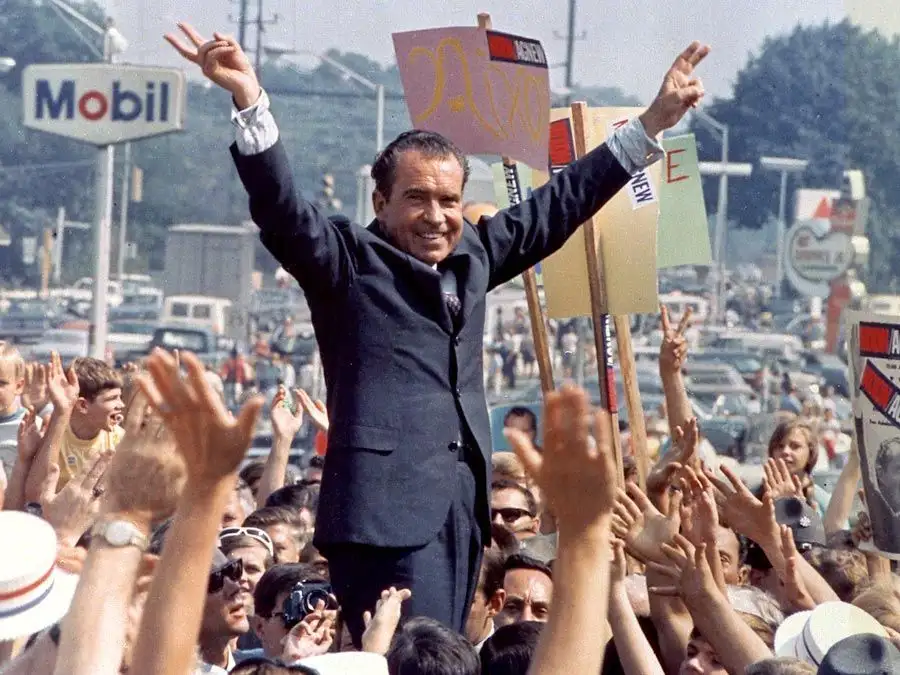
Chicago, Illinois – The passing of Reverend Jesse Jackson, a prominent figure in the American Civil Rights Movement, has prompted widespread remembrance and reflection. Jackson, who died at the age of 84, was known for his decades of activism advocating for equality, dignity, and opportunity. Mourners gathered outside the headquarters of his organization in Chicago to pay their respects.

A Life Dedicated to Activism and Advocacy
Reverend Jesse Louis Jackson was born on October 8, 1941. His early life, marked by challenging circumstances, provided a foundation for his future work. After his mother remarried, Charles Jackson adopted him, providing a stable environment. Jackson's own experiences with injustice, such as being denied access to needed books and encountering police threats, fueled his commitment to social change. He pursued higher education at North Carolina A&T State College, where he became a student leader and later transferred to the University of Chicago's theological seminary.
Read More: Supreme Court Will Not Hear Brian Flores NFL Race Lawsuit, Case Continues

Early Activism: Jackson became a student leader involved in efforts to desegregate establishments in Greensboro.
Civil Rights Movement: He rose to national prominence as a key figure in the Civil Rights Movement, often working alongside and in the legacy of Dr. Martin Luther King Jr. Jackson famously described cradling King's head as he died, appearing on television wearing the same turtleneck from the night of the assassination.
Political Aspirations: Jackson launched two bids for the U.S. presidency, aiming to increase the political voice of minority Americans.
Organization Building: Following his first presidential campaign, he established the nonprofit National Rainbow Coalition. He also led Operation PUSH, using the platform for public good and to enhance his visibility.
Enduring Impact and Public Recognition
Throughout his career, Jackson's activism extended to various causes, including national health care, peace negotiations, and LGBTQ+ rights. He continued public appearances well into the 2020s, demonstrating a persistent commitment to his advocacy.

"Reverend Jackson’s unwavering courage extends beyond his notable civil rights leadership… He devoted his entire life to fighting for dignity, equality, and opportunity for all." - Oliver Speller, next-door neighbor.
Tributes have poured in from across the political spectrum, acknowledging his significant contributions.
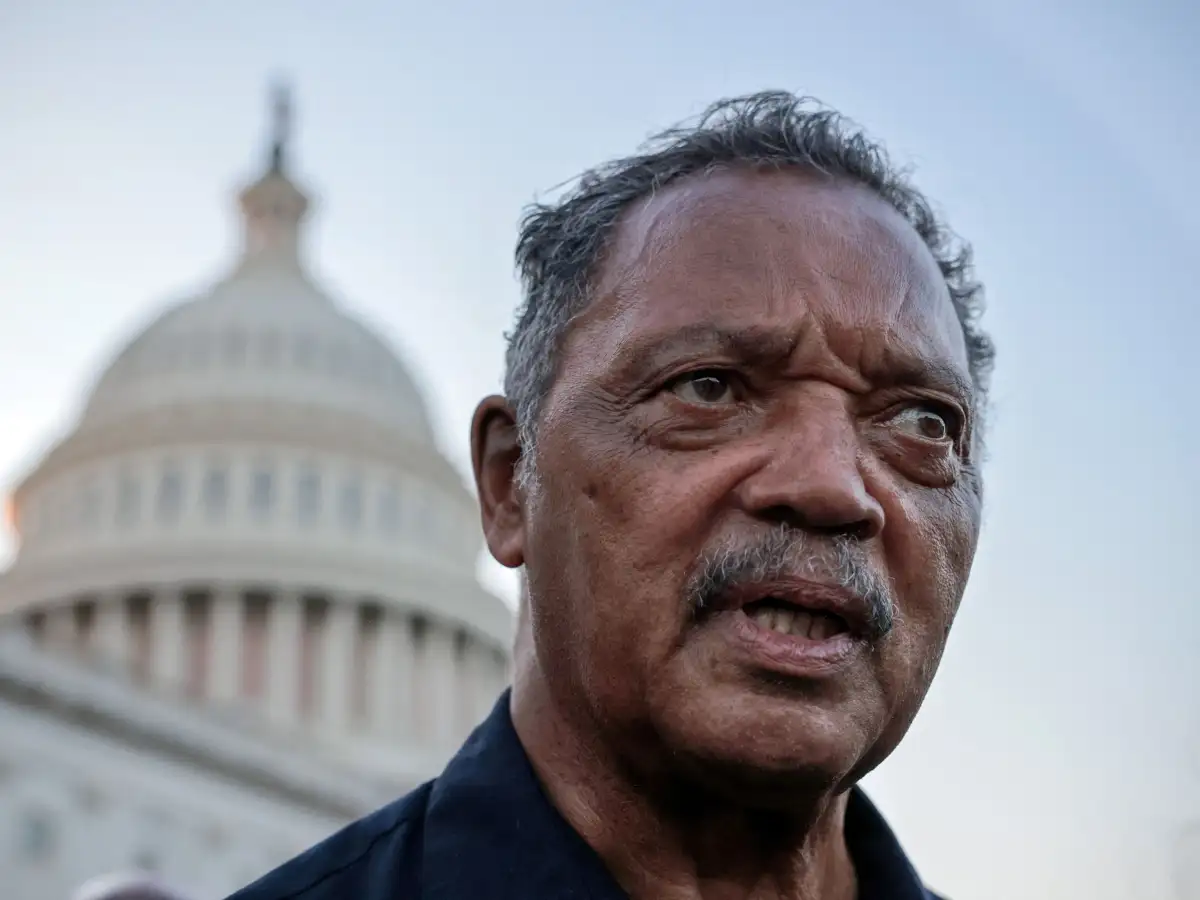
"He carried history in his footsteps and hope in his voice… Jackson’s words and ‘keep hope alive.’ We intend to.” - Reverend Al Sharpton.
"President Donald Trump acknowledged the passing of civil rights leader Rev. Jesse Jackson. He called upon the public to follow Jackson’s footsteps." - CNN.
Complex Legacy and Critiques
Jackson's tenure as a public figure was not without its controversies. While celebrated for his civil rights leadership, he also faced criticism and weathered scandals. His 1984 comments, which were perceived as undermining Jewish relations, drew significant attention and prompted his denial of antisemitism. Despite these criticisms, Jackson also maintained personal relationships with Jewish figures and engaged in dialogues concerning Israel.
"Because he is not a Jewish leader, he’s got a different agenda." - Commentary regarding Jackson's role.
Jackson's approach was sometimes described as "brash and at times divisive." Nevertheless, his influence in civil rights and national politics remained substantial.
Final Chapter and Mourning
In recent years, Jackson had faced numerous health challenges, having been hospitalized on several occasions. His family confirmed his death. In Chicago, a city he deeply impacted, leaders and ordinary citizens alike are remembering the Rev. Jesse Jackson's profound legacy. His organization's Chicago headquarters served as a focal point for those wishing to express their condolences and acknowledge his lifelong dedication to justice and equality.
Read More: Obama Presidential Center Opens in Chicago on June 3, 2026
Health: Jackson had experienced significant health issues in recent years, requiring hospital stays.
Public Service: He was a persistent advocate for civil rights, equality, and a greater political voice for minorities.
Legacy: Jackson is remembered as a pivotal figure in the Civil Rights Movement and a distinctive voice in American public life.
Sources:
CBS News Chicago: https://www.cbsnews.com/chicago/news/rev-jesse-jackson-death-chicago-illinois-leaders-react/
Summary of Source: Reports on Chicago leaders' reactions to Rev. Jesse Jackson's death, highlighting his courage and dedication to equality.
CNN: https://edition.cnn.com/us/live-news/rev-jesse-jackson-death-reactions-tributes-02/17/26
Summary of Source: Provides live updates on tributes and reactions to Rev. Jesse Jackson's passing, including statements from prominent figures.
Chicago Sun-Times: https://chicago.suntimes.com/obituaries/2026/02/17/rev-jesse-jackson-civil-rights-leader-rainbow-push-obituary
Summary of Source: An obituary detailing Rev. Jesse Jackson's life, his civil rights leadership, and his personal history.
Associated Press: https://apnews.com/live/jesse-jackson-death-updates
Summary of Source: Live updates on the death of Rev. Jesse Jackson, focusing on his impact as a civil rights leader and movement figure.
ABC News: https://abcnews.go.com/Politics/rev-jesse-jackson-civil-rights-icon-dies-aged/story?id=130225140
Summary of Source: Reports on the death of Rev. Jesse Jackson, highlighting his role as a civil rights leader, minister, and presidential candidate.
Jewish Telegraphic Agency: https://www.jta.org/2026/02/17/obituaries/jesse-jackson-civil-rights-leader-whose-1984-comments-undercut-jewish-relations-dies-at-84
Summary of Source: An obituary focusing on Rev. Jesse Jackson's career, including a specific mention of his 1984 comments and their impact on Jewish relations.
The Boston Globe: https://www.bostonglobe.com/2026/02/17/nation/jesse-jackson-obituary/
Summary of Source: An obituary for Rev. Jesse Jackson, detailing his role in the Civil Rights Movement and his personal journey.
USA Today: https://www.usatoday.com/story/news/nation/2026/02/17/jesse-jackson-dead-career-moments/87386926007/
Summary of Source: Outlines five key moments in Rev. Jesse Jackson's career, emphasizing his push for justice and equality.
Chicago Tribune: https://www.chicagotribune.com/2026/02/17/rev-jesse-jackson-dies/
Summary of Source: Reports on the death of Rev. Jesse Jackson, a civil rights icon and Chicago-based presidential candidate, discussing his career and visibility.


.jpg)