


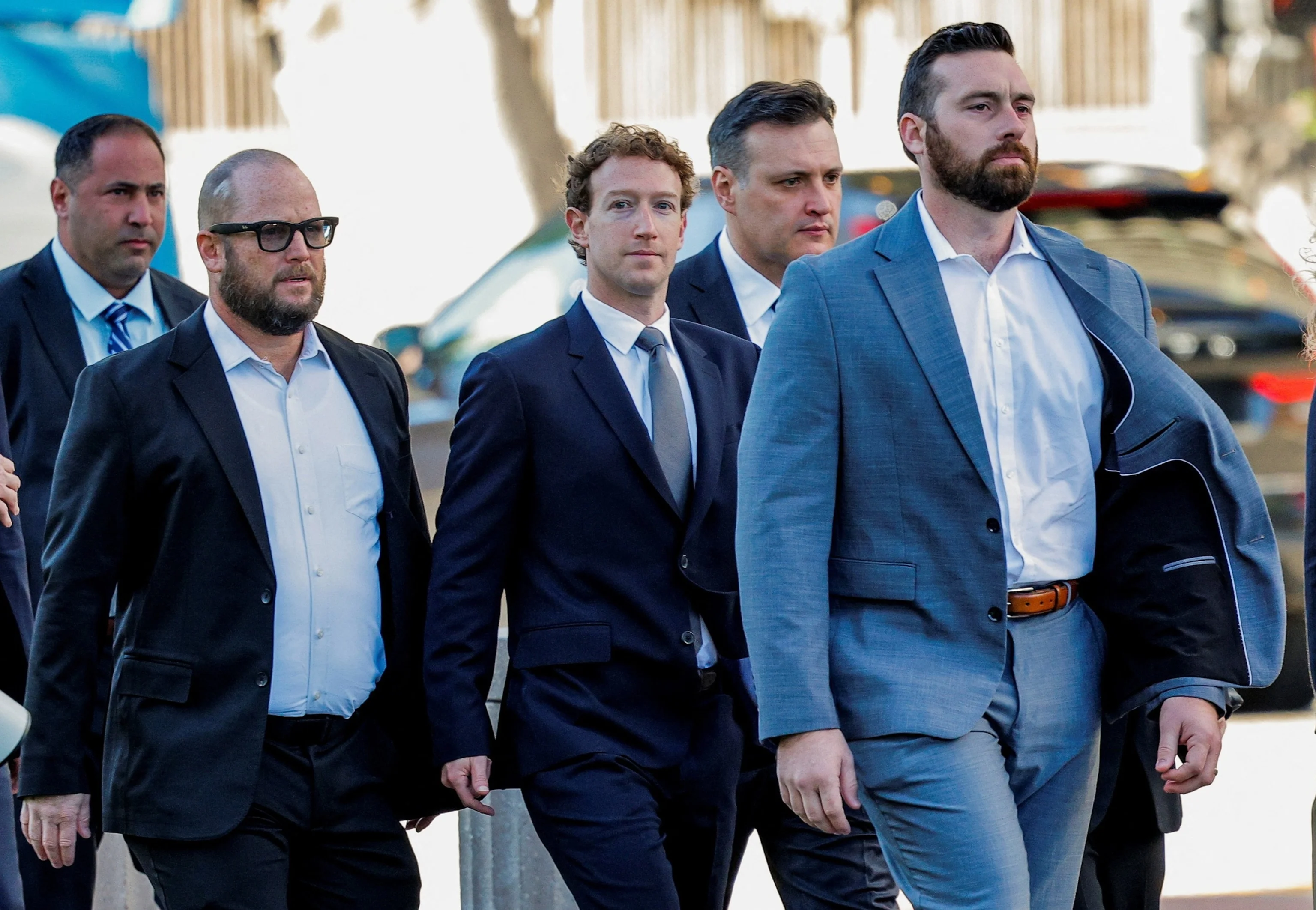
Mark Zuckerberg, CEO of Meta, testified in a Los Angeles court this week, directly addressing claims that the company's social media platforms are intentionally designed to be addictive and harmful to young people. The trial is a significant event, as a judgment against Meta could pave the way for similar lawsuits against other technology firms. This case unfolds as lawmakers and the public increasingly scrutinize the impact of social media and artificial intelligence on children and teenagers.
Context of the Trial
The trial centers on allegations that Meta, along with other social media companies, knowingly developed and offered addictive products that have negatively affected the mental health of young users, leading to issues such as depression and body image concerns. Plaintiffs are seeking to hold the company accountable for these alleged harms.
Key Actors:
Mark Zuckerberg: CEO of Meta.
Mark Lanier: Plaintiff's attorney, questioning Zuckerberg.
Schmidt: Another attorney involved in questioning Zuckerberg.
Meta: The parent company of Facebook and Instagram.
Plaintiffs: Families alleging harm to their children from social media use.
Core Allegations: Meta's platforms are designed to be addictive, causing mental health issues in young users.
Legal Framework: The trial is a landmark case that could influence future litigation against tech companies. The concept of Section 230, which offers some legal protection to online platforms, has been noted as relevant.
Broader Concerns: The trial reflects wider societal debates about the effects of technology on youth and the responsibilities of tech companies. Countries like Australia and Spain have already implemented stricter measures regarding children's social media use.
Zuckerberg's Defense and Testimony
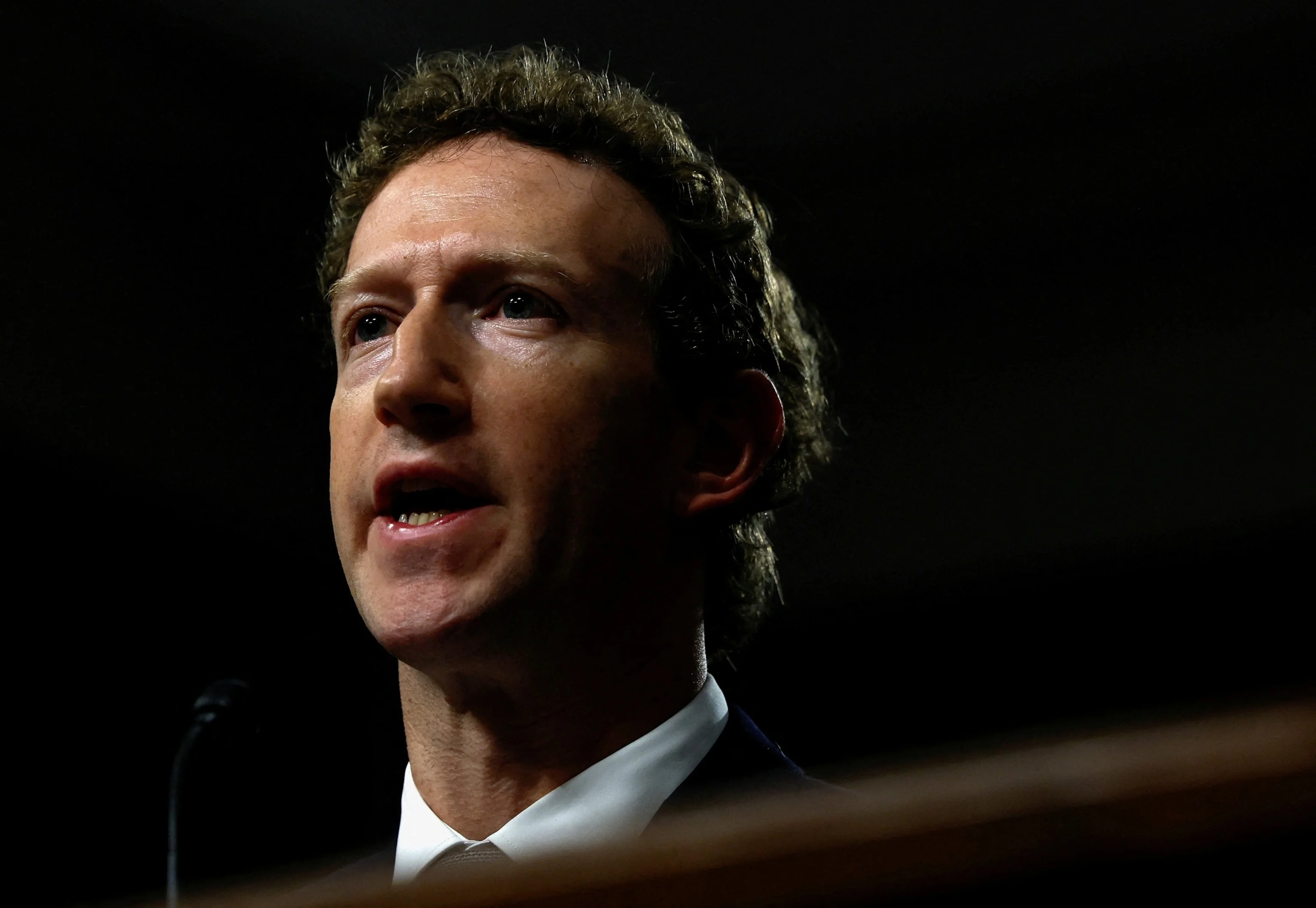
During his testimony, Zuckerberg presented a defense of Meta's platforms, disputing characterizations of his past statements and emphasizing the connective benefits of social networks. He appeared before a jury and faced rigorous questioning from plaintiff's attorneys.
Read More: Rivian Apple Watch App Lets Owners Control Cars From Wrist Starting February 19, 2026

Denial of Harmful Intent: Zuckerberg stated that Meta aims to help its users, asserting that a "reasonable company" would prioritize user well-being to ensure long-term business health.
Mischaracterized Statements: He argued that his past statements have been taken out of context and that he did not want to be "overbearing" in dictating user expression.
Internal Communications: When confronted with internal emails and documents suggesting concern about filters or engagement goals, Zuckerberg often distinguished between brainstorming and actual policy, or downplayed the significance of the presented data.
He suggested an email was more a "brainstorm" than a directive.
Regarding warnings from mental-health experts about filters, he stated he did not find their data "compelling."
He explained a desire not to be "paternalistic" as a reluctance to dictate how individuals express themselves.
Engagement Metrics: Zuckerberg acknowledged that Meta uses time spent on the app as a metric to gauge performance against competitors like TikTok. However, he also testified that the company does not set goals for increased time spent on Instagram and has moved away from past goals tied to duration, focusing instead on utility.
Scrutiny of Under-13 Access and Age Verification
A significant portion of Zuckerberg's testimony focused on Meta's policies regarding younger users and the effectiveness of age verification.

Instagram's Under-13 Policy: Zuckerberg stated that children under 13 have "never been allowed on Instagram."
Enforcement Challenges: He admitted that enforcing age restrictions on Instagram is "difficult" for Meta.
Plaintiff's Arguments: Attorneys like Mark Lanier pressed Zuckerberg on why concerns from mental-health experts regarding potential harm to teenage girls were not given more weight.
Expert Analysis and Public Reaction
The trial has drawn attention from tech industry watchers and children's advocates, who have offered varying perspectives on Zuckerberg's testimony.
Industry Scrutiny: Tech industry observers are closely monitoring the case due to its potential to set precedents for other tech companies facing similar allegations.
Children's Advocates: Some children's advocates have publicly criticized Zuckerberg's testimony, calling it "disingenuous."
Zuckerberg's Demeanor: Reports noted that Zuckerberg appeared "visibly irritated at times" during cross-examination, arching his eyebrows and shifting in his chair. He also made a quip about media interviews being "more than I would like."
Conclusion and Implications
Mark Zuckerberg's testimony in the Los Angeles trial represents Meta's primary defense against claims of intentionally designing addictive social media products that harm young users. He has countered allegations by emphasizing the platforms' utility, disputing the interpretation of internal communications, and asserting the company's aim to support its users.
Key Findings from Testimony:
Zuckerberg denied deliberate design for addiction and stated a commitment to user well-being.
He characterized certain internal documents as brainstorming or expressions of a desire for user autonomy rather than mandates.
Meta claims it does not have goals to increase time spent on Instagram and has never allowed users under 13 on the platform, though enforcement is difficult.
Lingering Questions:
How will the jury weigh Zuckerberg's explanations against the evidence presented, including internal company documents and expert warnings?
What is the legal significance of Zuckerberg's acknowledgments regarding engagement metrics and the challenges of age verification?
Will this trial's outcome influence regulatory approaches to social media and youth mental health globally?
The outcome of this trial carries substantial implications, not only for Meta but also for the broader technology industry and ongoing debates about digital well-being for young people.
Sources Used:
CNET: https://www.cnet.com/news/social-media/zuckerberg-pushes-back-on-addiction-claims-in-trial-testimony/
Rolling Stone: https://www.rollingstone.com/culture/culture-news/mark-zuckerberg-testimony-social-media-addiction-trial-1235516785/
CBS News: https://www.cbsnews.com/news/mark-zuckerberg-testifies-meta-social-media-addiction-trial/
PBS NewsHour: https://www.pbs.org/newshour/show/zuckerberg-takes-stand-in-a-landmark-trial-on-youth-social-media-addiction
ABC News: https://abcnews.go.com/Business/mark-zuckerberg-set-stand-landmark-trial-social-media/story?id=130245278
Los Angeles Times: https://www.latimes.com/california/story/2026-02-18/mark-zuckerberg-tesimony-la-social-media-trial
AP News: https://apnews.com/article/mark-zuckerberg-trial-testimony-instagram-c8cbaa32ccbf4933ec3a7beebd6cf34b
Wired: https://www.wired.com/story/mark-zuckerberg-testifies-social-media-addiction-trial-meta/


