Rayalaseema's Female Population Lagging, Officials Point to Societal Shifts
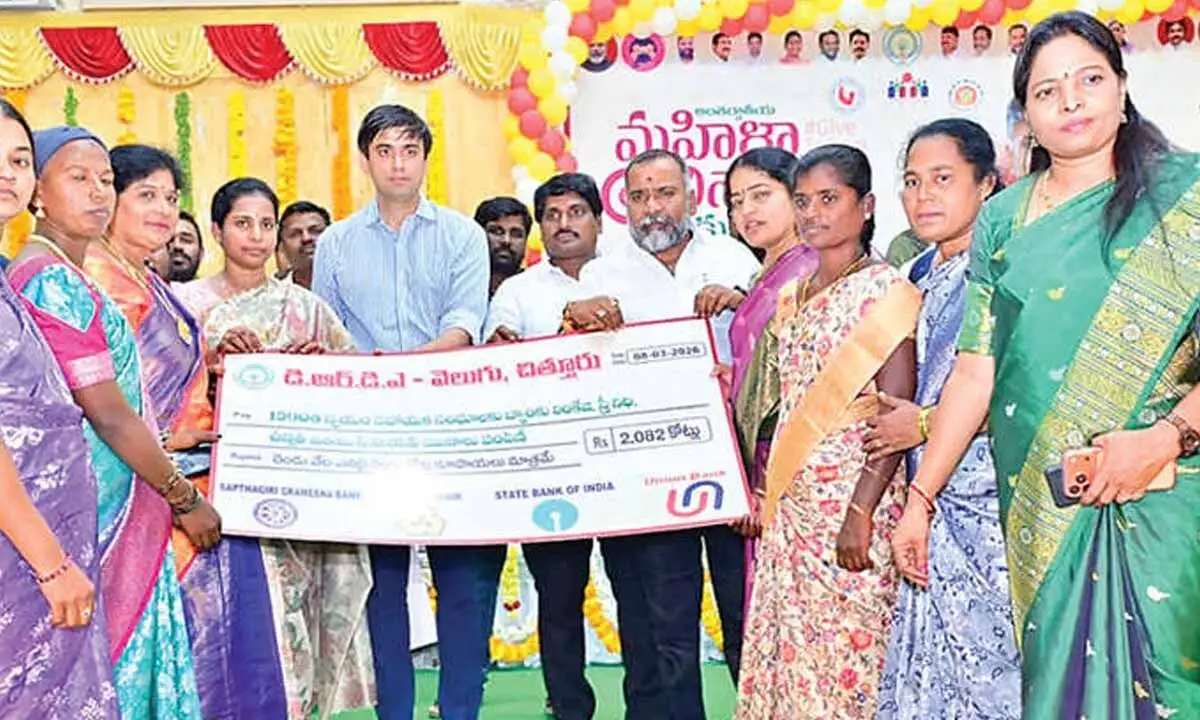
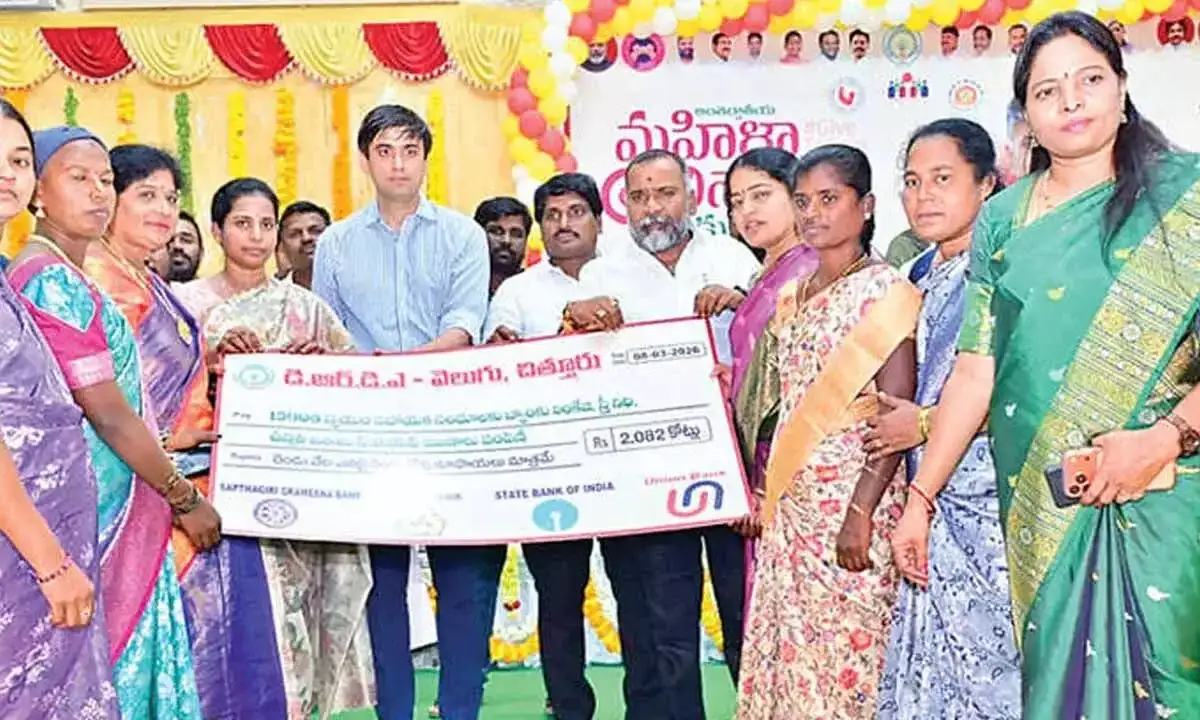
District Collector Sumit Kumar has emphasized the persistent disparity in the female population across Rayalaseema districts, noting a historical and ongoing trend where these areas exhibit fewer women when juxtaposed with coastal regions. This observation was reiterated in recent statements stressing the imperative to address both the low gender ratio and the prevalence of child marriages within the Rayalaseema region, which includes districts such as Chittoor, Annamayya, Kadapa, and Nellore. The core of the concern rests on the societal implication that women play a "crucial role in the progress and development of society," a sentiment echoed by various officials.
Officials are calling for a concerted effort involving self-help groups, Integrated Child Development Services (ICDS), District Rural Development Agency (DRDA), and Mandal Mahila Samakhya (MEPMA) to disseminate awareness in both rural and urban settings. The objective is twofold: to actively curb the practice of child marriages and to promote broader women's empowerment. This push comes amidst acknowledgments from local representatives, such as Puthalapattu MLA K Murali Mohan and Chittoor MLA G Jagan Mohan, who have both highlighted the significant contributions and foundational role of women in family and societal structures.
Historical Disparity and Ongoing Concerns
Reports indicate that the gender ratio in Rayalaseema districts has historically been skewed. Statistics from February 2022 revealed the state's average of 937 females per 1,000 males, a figure lower in all four Rayalaseema districts: Anantapur (902), Kadapa (925), Chittoor (924), and Kurnool (908).** Anantapur was identified as having the lowest ratio among these. This historical context underscores the ongoing nature of the challenge officials are confronting.
Read More: WNBA Players Face Online Harassment Increases in April 2026
Furthermore, recent official statements have highlighted a significant issue with teenage pregnancies. In Chittoor district, Superintendent of Police Manikanta Chandolu expressed serious concern over 8-10% of pregnancies involving minors. To combat this, 180 high-risk areas have been identified as particularly vulnerable to child marriages and child abuse, with plans for intensified sensitization drives and campaigns.
A Multifaceted Approach to Protection
The administration’s efforts extend to various child protection measures. Under the 'Beti Bachao Beti Padhao' initiative, there's a call for intensified sensitization in vulnerable areas. Alongside these drives, there's a push for the strict enforcement of child protection initiatives and welfare measures, particularly targeting child marriages, child labour, and abuse, under initiatives like Mission Vatsalya.
Efforts to combat child marriage have seen localized campaigns. In Bangarupalem mandal, an area with a known history of child marriages, awareness drives have been initiated, aligning with broader campaigns like the ‘Child Marriage Free India Campaign’. Officials have stressed the importance of collaboration between NGOs, police, revenue personnel, and ICDS, noting that such combined efforts have previously led to a drastic reduction in child marriage numbers in certain areas.
Read More: Andhra University Adds More Seats for B.Tech Courses
During festive periods like Mahashivaratri, known in some western parts of Chittoor district for an increase in child marriages, special surveillance teams are being deployed. This proactive measure aims to monitor temples and areas identified as hotspots for the practice.
Economic Empowerment as a Counterbalance
Beyond protective measures, there's a recognized focus on economic empowerment as a means to support women. In Chittoor district, initiatives supporting self-help groups (SHGs) are substantial, with over 14,600 SHGs comprising more than two lakh women. Recent events have highlighted the emergence of over 10,000 women entrepreneurs in the district in the past year, some achieving monthly earnings between ₹50,000 and ₹60,000. Livelihood support, such as the provision of a tractor worth ₹8 lakh to a women’s group, is part of these broader development efforts.
Read More: Supreme Court Allows States to Ban Transgender Girls from Female Sports