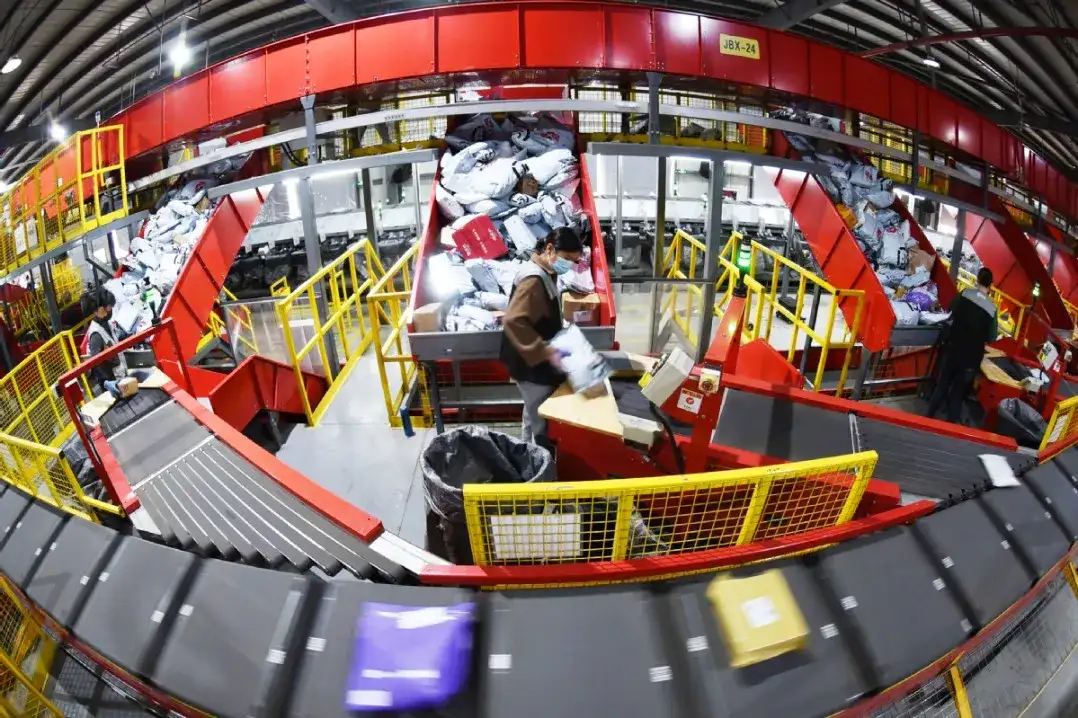
Chinese companies are aggressively developing ultra-dexterous robotic hands, aiming to bridge the gap between digital intelligence and real-world physical interaction. This pursuit focuses on equipping robots with human-like manipulation capabilities for tasks ranging from intricate manufacturing to home assistance, signaling a shift in the 'embodied intelligence' landscape.
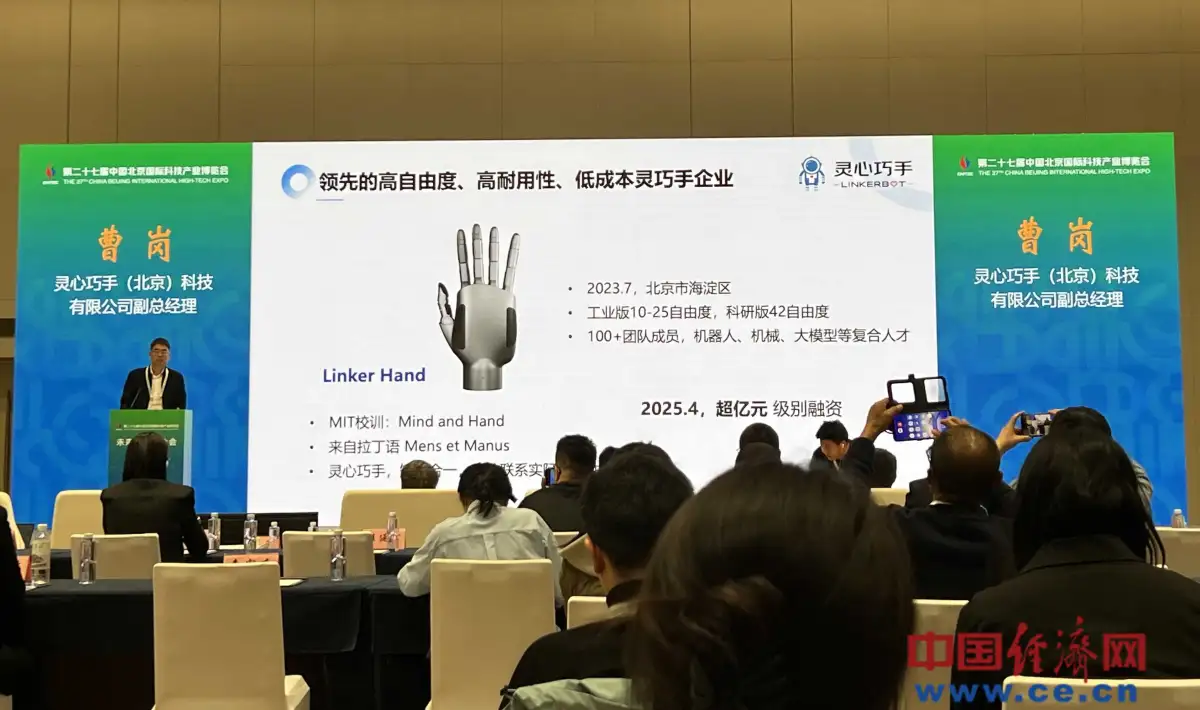
The development of these sophisticated robotic hands is seen as crucial for the broader adoption of humanoid robots. These advancements are driven by a demand for robots capable of performing delicate and precise operations previously exclusive to human hands. Key players like LinkerBot are at the forefront, building systems that integrate hardware, algorithms, and data to create a "physical world model."
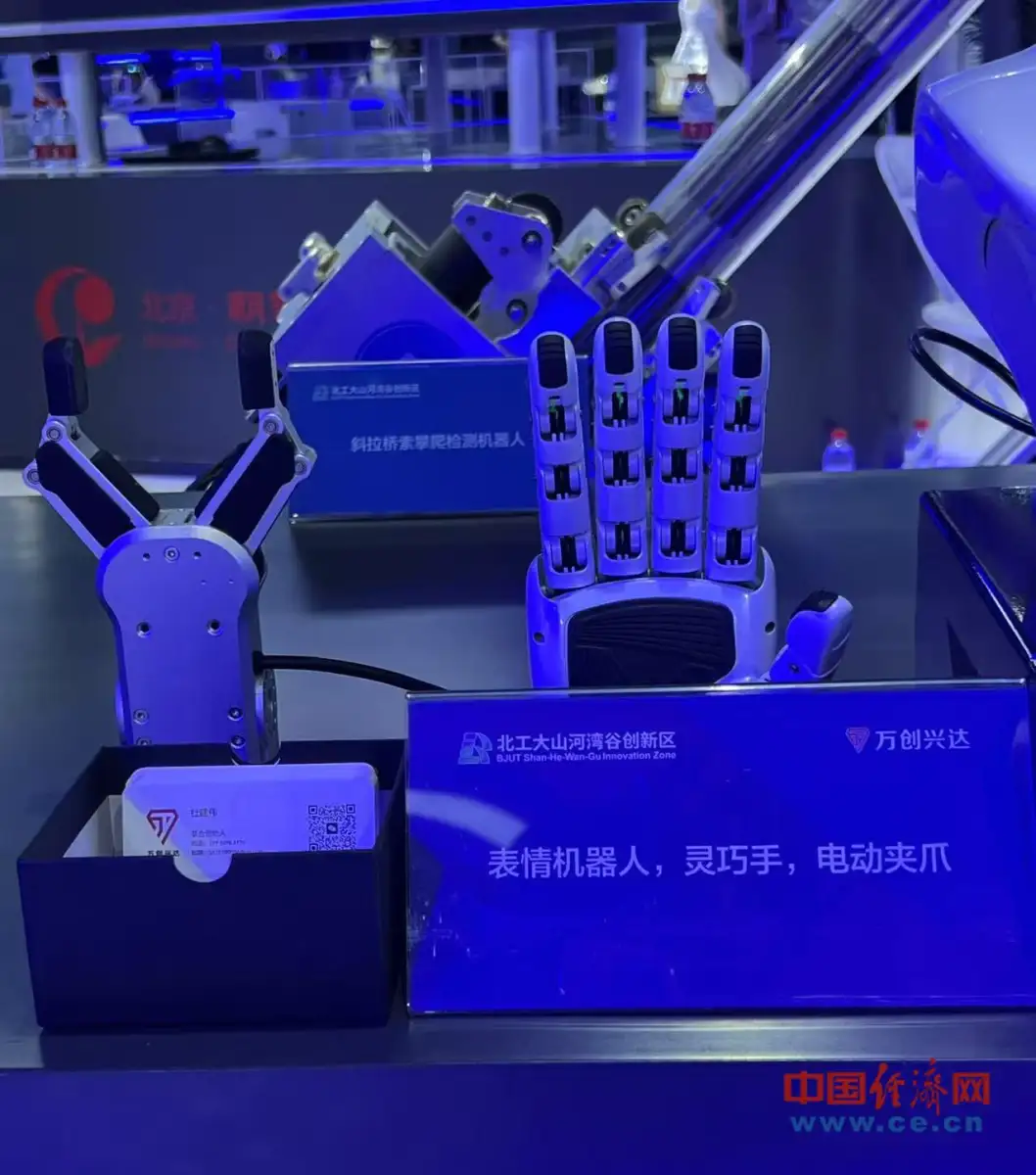
The Rise of LinkerBot
LinkerBot, a notable startup in China's burgeoning humanoid robotics sector, is a central figure in this push. The company is engineering robotic hands designed for "refined and delicate operations," exemplified by its L6 model demonstrated by a robot pianist performing precise keystrokes. This reflects a broader effort to imbue robots with humanlike skills.
Read More: Chrome mimeHandler API lets extensions handle file types
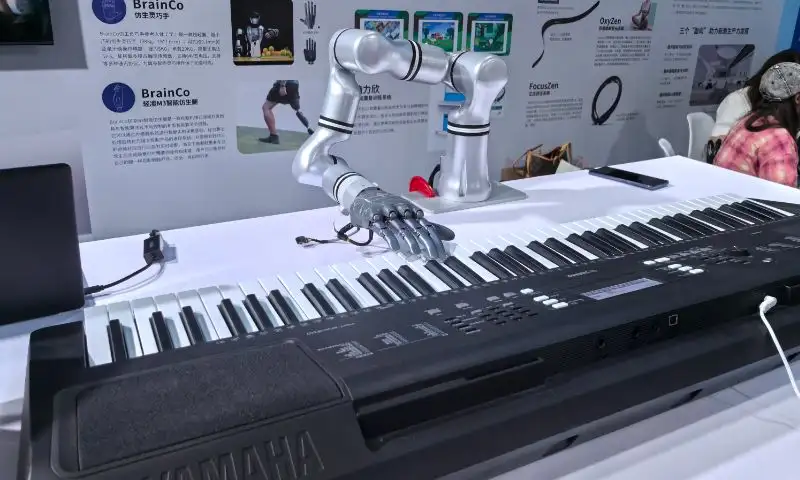
LinkerBot focuses on developing high-Degree of Freedom (DOF) dexterous hands.
Their strategy involves building a full-stack system encompassing hardware, algorithms, and data.
The company has launched a large-scale model, the Linker Creation Model, alongside Linker OS and a reinforcement learning framework for the real world.
LinkerSkillNet, a library designed to convert human skills into transferable robotic capabilities, is also a key initiative, boasting around 500 skills with plans for rapid expansion.
Diverse Applications and Technological Strides
The drive for dexterous robotic hands is fueled by several key application areas:

Precision Manufacturing: Enhancing automation in complex assembly and production lines.
Healthcare and Life Sciences: Assisting in delicate medical procedures and laboratory work.
Home Services: Enabling robots to perform domestic chores requiring fine motor skills.
Beyond LinkerBot, other entities are contributing to this field. PaXini Tech, for instance, has developed the DexH13 GEN2, described as the first domestic four-finger bionic dexterous hand integrating multi-dimensional tactile and AI visual dual-modal capabilities. This hand aims to simulate complex human movements such as welding and grasping.
A research initiative highlighted a robotic hand featuring a highly sensitive tactile palm with an extensive sensing unit density, far exceeding that of human skin. This system also incorporates remarkably flexible fingers and intelligent coordination algorithms for seamless palm-finger interaction, achieving high accuracy in object recognition.
The Race for Embodied Intelligence
The development of dexterous robotic hands is increasingly framed as a competition. Events like the world's first robotics competition in Beijing showcase the advancements in human-shaped biped robots and their manipulative capabilities. This underscores China's commitment to accelerating the commercialization of such advanced robotic tools, moving them from laboratory settings into practical, real-world applications. The quest is to create robots that are not just intelligent but physically adept, mirroring human physical interaction with the environment.
Read More: China Ethnic Unity Law starts July 1 2026 for all citizens