


China is outpacing the United States in the mass production and market availability of humanoid robots, driven by a strategy of rapid deployment and cost efficiency. While American companies are concentrating on advanced artificial intelligence and sophisticated capabilities, Chinese firms are already selling functional robots to consumers and deploying them in industrial settings.
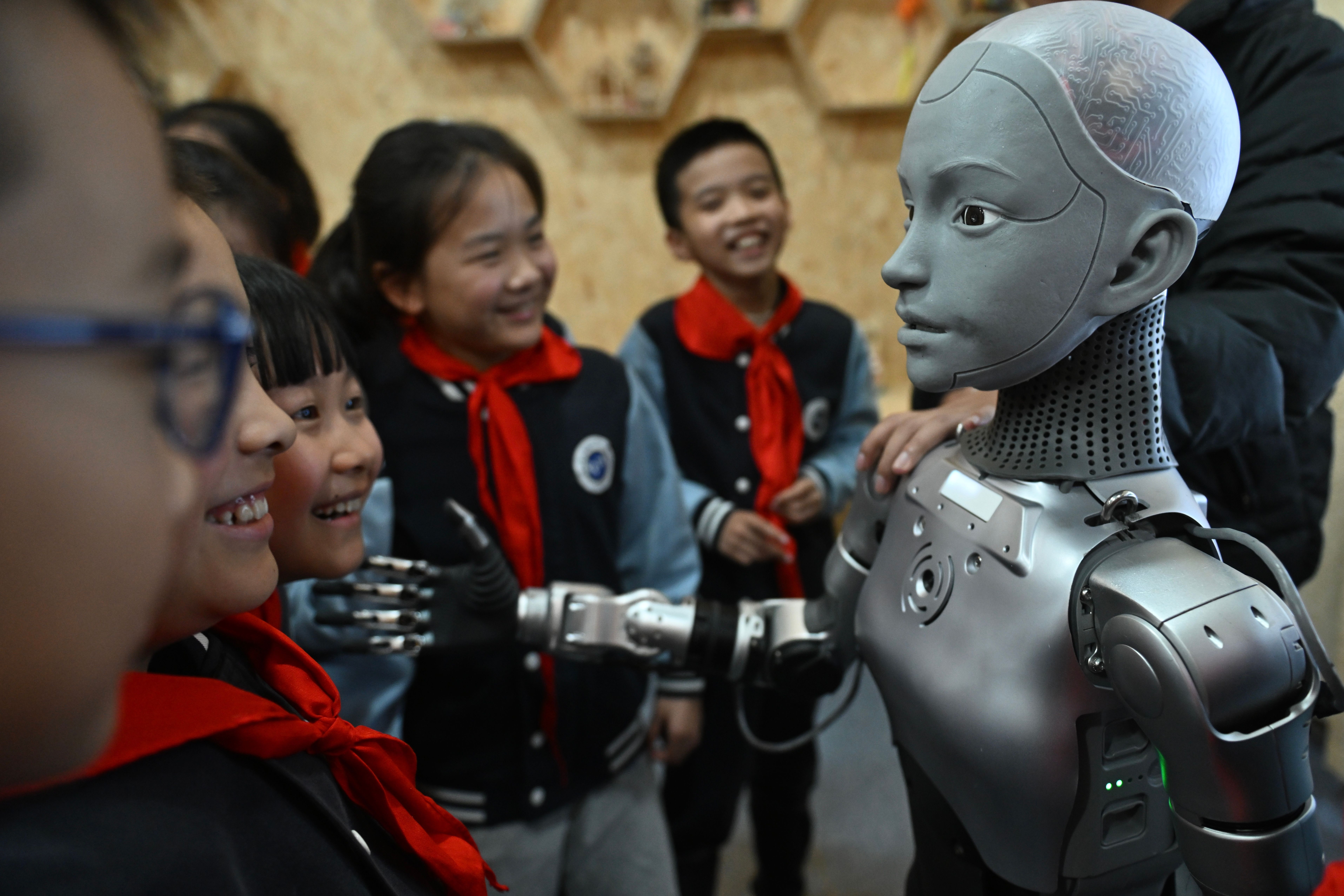
This divergence in approach highlights a growing technological rivalry, with China demonstrating a clear advantage in manufacturing scale and affordability. Reports indicate that China hosts at least five times the number of humanoid robot companies compared to the U.S., with Chinese organizations filing significantly more patents related to "humanoid" technology over the past five years.
Market Saturation and Rapid Iteration
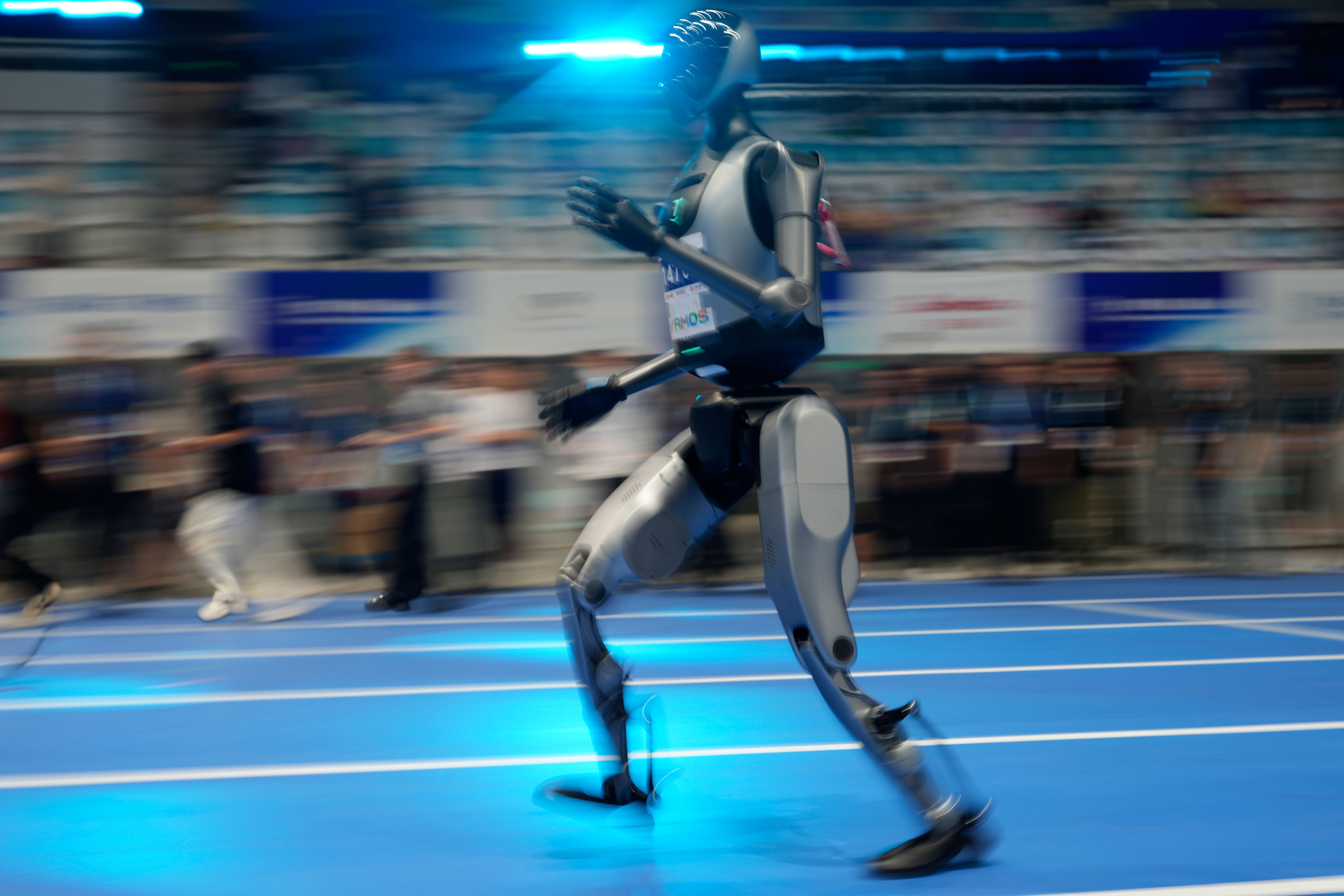
Chinese companies are saturating the market with task-specific robots, utilizing real-world interactions for rapid AI model refinement. This contrasts with a more measured development cycle often seen in the U.S. This "move-fast-and-break-things" ethos has led to robots being deployed in factories, warehouses, and even public spaces across China.
Read More: Chrome mimeHandler API lets extensions handle file types

Unitree Robotics, a prominent Chinese company, already has humanoid robots available that can perform basic tasks, walk, and dance.
These robots have been seen in industrial applications, with EV makers like BYD and Geely reportedly using Unitree's robots in their factories.
JD.com, an e-commerce platform, has also seen Unitree robots briefly available for consumer purchase.
Agibot (Zhiyuan Robotics) in Shanghai has set ambitious production goals, aiming to match the output of U.S. competitors like Tesla's Optimus.
At recent industry events in Beijing, over two dozen Chinese companies showcased humanoid robots and essential precision parts for their construction.
U.S. Emphasis on AI Sophistication
American tech giants, including Nvidia and Google, are heavily investing in the development of humanoid robots, with a strong emphasis on advancing artificial intelligence and autonomy.

The development of robots like "Olaf," a character from Disney's "Frozen," showcases the U.S. focus on integrating sophisticated AI from major players.
This approach prioritizes pushing the boundaries of AI-driven autonomy and advanced software.
The demand generated by this focus is on specialized semiconductor chips, high-precision actuators, and proprietary AI training data.
Divergent Strategies, Global Implications
The distinct strategies employed by the U.S. and China in the burgeoning humanoid robotics sector are expected to shape global supply chains.
China's focus on scalable production and cost optimization aims to make humanoid robots more commercially viable across a wider range of applications. This strategy is partly driven by the nation's potential labor shortages, which it sees humanoid robots as a means to mitigate.
The International Federation of Robotics (IFR) reports that China already leads the world in factory-installed production robots, with numbers more than triple those in North America.
China's dominance in battery production, a critical component for robotics, could further solidify its market position.
Challenges and the Path Forward
Despite China's early market advantages, fundamental challenges persist.
Safety remains a significant hurdle for humanoid robot development.
Unlike large language models, humanoid robotics companies cannot simply "scrape the internet" for training data; acquiring real-world data for physical robots is a more complex process.
Analysts observe a competition between the U.S.'s pursuit of AI autonomy and advanced performance, and China's drive for widespread adoption and affordability.
Background
The global interest in humanoid robots has intensified, with prominent figures like Elon Musk articulating ambitious plans for large-scale robot production. However, the narrative is increasingly being shaped by the on-the-ground realities of market entry and manufacturing capacity, where China appears to have gained an early lead. This competition signifies a new frontier in technological development, with implications for future economies and labor markets worldwide.





