The Chhattisgarh government's cabinet has greenlit a draft bill aimed at preventing religious conversions through coercion, enticement, or deceit. This legislative move, formally the Chhattisgarh Freedom of Religion Bill 2026, was a significant outcome of a cabinet meeting held amidst the ongoing budget session of the legislative assembly. The proposed law follows persistent claims of forced or induced conversions within the state, a contentious issue that has seen clashes between right-wing organizations and Christian preachers.

The approved draft bill targets the practice of religious conversion by 'force, inducement, fraudulent means or misrepresentation.' Deputy Chief Minister Vijay Sharma had previously indicated that the legislation would specifically address practices like 'changai sabha' or faith healing meetings, which have been flagged as potential venues for such activities. This development comes after a high-profile incident last year involving the arrest of two nuns on charges of human trafficking and allegedly kidnapping three tribal women for forced religious conversion, an event that garnered national attention.
Read More: Supreme Court May Order Ayodhya Temple Fund Audit Due to Theft Claims

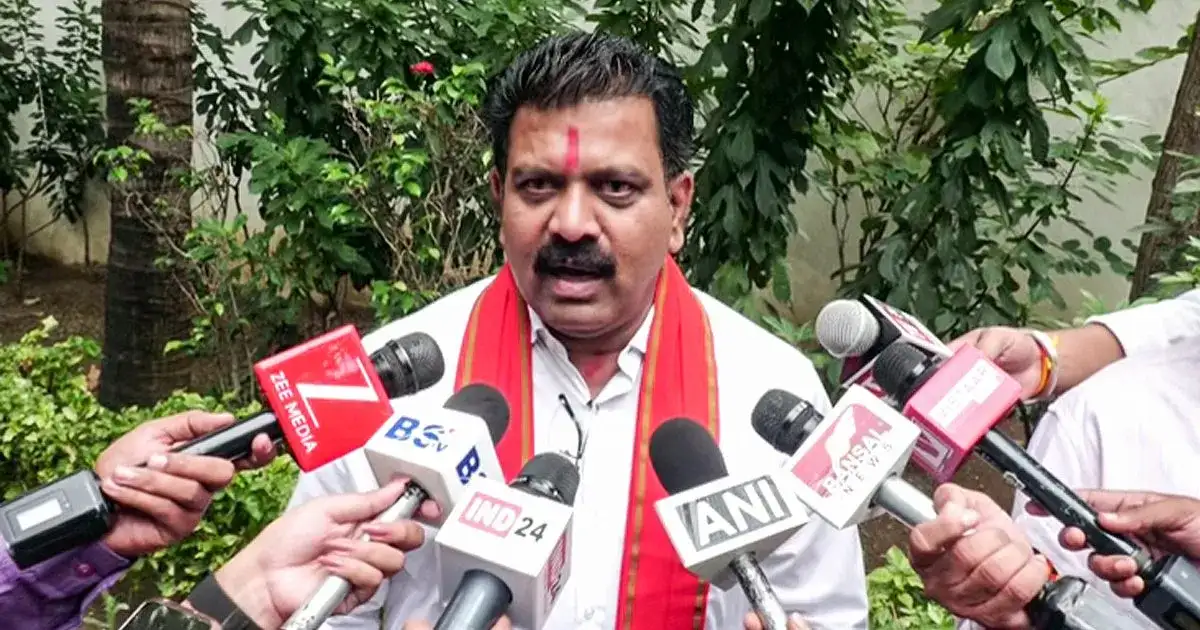
The decision to advance this anti-conversion legislation has been met with approval from certain sections. Vinod Bansal, a national spokesperson for the Vishva Hindu Parishad (VHP), publicly thanked the Chhattisgarh government, expressing an expectation for 'strict punishment' against those found guilty of violating the law. Bansal articulated that the bill aims to counter the rise of 'love jihad' and protect Hindus from what he described as the 'illegal activities of conversion gangs.'
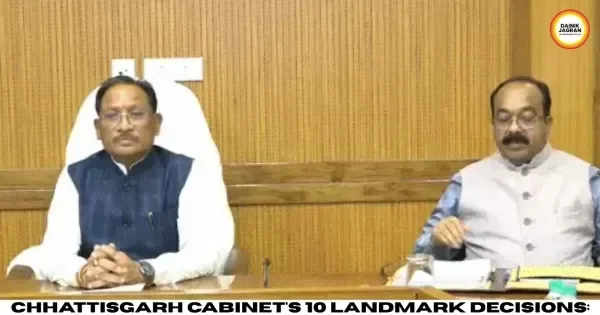
Beyond the anti-conversion bill, the cabinet also sanctioned other legislative measures. These include the Prevention of Unfair Means Bill 2026, designed to introduce stricter regulations against cheating in public recruitment examinations, and the establishment of a Staff Selection Board Bill 2026 to oversee recruitment for Group C and D government positions, with an eye toward enhancing transparency. Furthermore, a proposal to abolish the 12% property registration cess, previously allocated to the Rajiv Gandhi Mitan Club scheme, received approval, a move expected to alleviate financial burdens on homebuyers. The cabinet also endorsed measures to support renewable energy projects, including subsidies for domestic biogas plants, and approved amendments to existing laws concerning town and country planning, housing, and land revenue administration.
Read More: Chhattisgarh gets 400 new vehicles and 33 forensic labs
The passage of these diverse bills suggests a broad agenda from the state government, touching upon urban governance, rural land management, and the sports sector, with the allocation of five acres of land for the Rajnandgaon Cricket Academy. The anti-conversion bill, however, is poised to be a defining piece of this legislative push, entering the discourse on religious freedom and state intervention in matters of faith.