

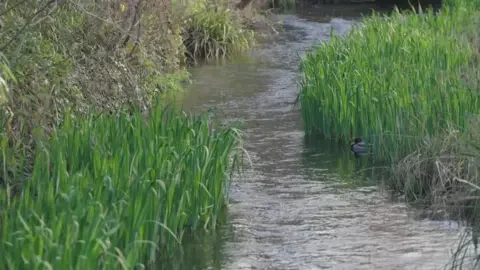
RARE HABITATS AT RISK, ADVOCATES CLAIM
"Chalk streams are wonderful habitats, they're great for people as well, people really enjoy them…"
The push for stronger safeguards for England's chalk streams has intensified, with campaigners arguing that these unique freshwater environments lack adequate legal protection. A key demand centers on their inclusion within the 'National Planning Policy Framework,' currently undergoing public consultation. This framework dictates how land is used and developed across the country.
Campaigners, including the London Wildlife Trust, point to the global rarity of these ecosystems, noting that the vast majority are situated in England. They are seeking to elevate chalk streams to the same protective status as other 'irreplaceable habitats' already listed within the framework. This move, they argue, is crucial for proper stewardship of a resource enjoyed by many for its wildlife, such as the elusive kingfisher and grey wagtail.
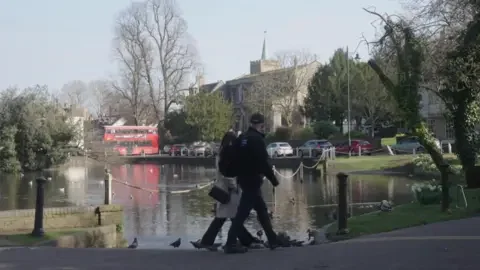
PLANNING FRAMEWORK UNDER SCRUTINY
The National Planning Policy Framework consultation provides a window for input on future development and land management policies. Advocates for chalk streams see this as a critical opportunity to embed their protection into national planning guidance. The current lack of specific, robust legal standing leaves these delicate habitats vulnerable to various pressures.
Read More: Madambakkam Lake Residents Protest Sewage Plant Plan Near Contaminated Water Body
The urgency stems from the recognition that chalk streams are not just ecological assets but also valued amenities for the public. Their contribution to biodiversity and the quality of life for those who interact with them is highlighted as a significant factor in the ongoing campaign.
BACKGROUND: ENGLAND'S VANISHING TREASURES
Chalk streams are characterized by their crystal-clear waters originating from chalk aquifers. This geological foundation provides a stable, nutrient-rich environment that supports a distinct array of flora and fauna. Historically, these streams have faced challenges from water abstraction, pollution, and habitat degradation, leading to their classification as a threatened ecosystem. The current campaign seeks to address these ongoing threats by leveraging the upcoming revision of the 'National Planning Policy Framework' as a potential turning point for conservation efforts.