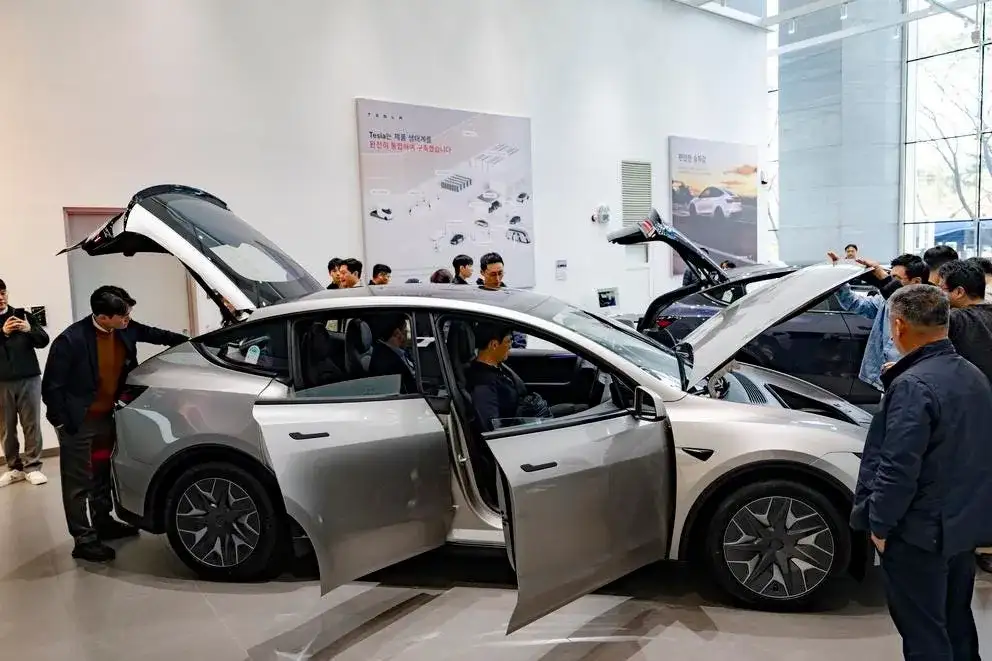
Effective March 1, Canada's auto market is officially accessible to Chinese-manufactured electric vehicles (EVs). However, consumers anticipating an immediate influx of budget-friendly options may face a prolonged wait. The pathway for these vehicles to reach Canadian consumers is intricate, involving more than simply shipping them across the Pacific. Industry observers suggest that familiar brands, potentially those already producing in China, are more likely to appear first, rather than the deeply discounted models from brands like BYD, Chery, or Geely.

The initial phase of this market opening is governed by a six-month quota, from March 1 to August 31, allowing for the import of 24,500 Chinese-built EVs. This quota operates on a first-come, first-served basis, with a provision for reviewing and potentially altering the permit rules thereafter. Beyond this initial period, the overall limit for Chinese EVs entering the Canadian market is set at 49,000 units. This strategic cap is subject to a tariff rate of 6.1 percent, a significant reduction from the previous 100 percent.
Read More: Tesla Model Y L 6-Seater US Launch Date and Price Details
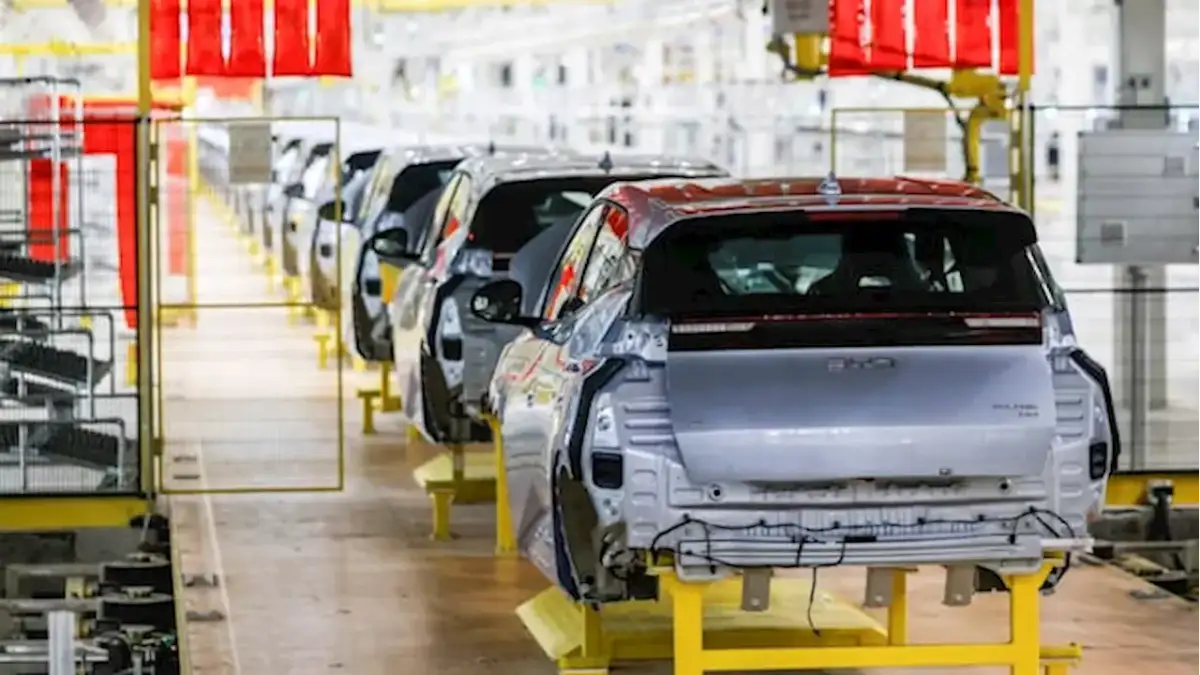
The delay in seeing cheaper Chinese EVs on Canadian roads stems from the complex logistical and regulatory hurdles that new manufacturers must navigate. Setting up dealership networks, establishing robust after-sales service and maintenance infrastructure, and adhering to Canadian Motor Vehicle Safety Standards (CMVSS) are substantial undertakings. Automakers may opt to work through Canadian importers rather than building entirely new systems from scratch, mirroring historical market entries by foreign manufacturers.

While brands like BYD, Chery, and Geely are noted for their typically lower retail prices, attributed to factors such as cheaper materials, lower labor costs, and government subsidies in China, their immediate widespread availability is not guaranteed. BYD, however, appears to hold a potential regulatory advantage, having already been listed in Transport Canada's Appendix G registry, a pre-clearance program for manufacturers whose vehicles comply with Canadian standards. This could expedite their entry compared to other Chinese marques.
Read More: Jessica Mulroney divorce from Ben Mulroney after Meghan Markle fallout

The broader implications of this trade adjustment extend beyond the immediate automotive landscape. This move is part of a larger strategic shift for Canada, aiming to diversify its international partnerships and potentially reduce its strong reliance on the United States as a trading partner. In exchange for easing EV import restrictions, China has agreed to lower tariffs on Canadian canola oil, a significant agricultural export. This development, however, has also sparked concerns among some Canadian auto workers and industry observers regarding increased competition and potential impacts on domestic jobs. The long-term effects on Canada's own EV manufacturing ambitions and its ability to attract foreign investment in this sector remain a subject of ongoing observation.