

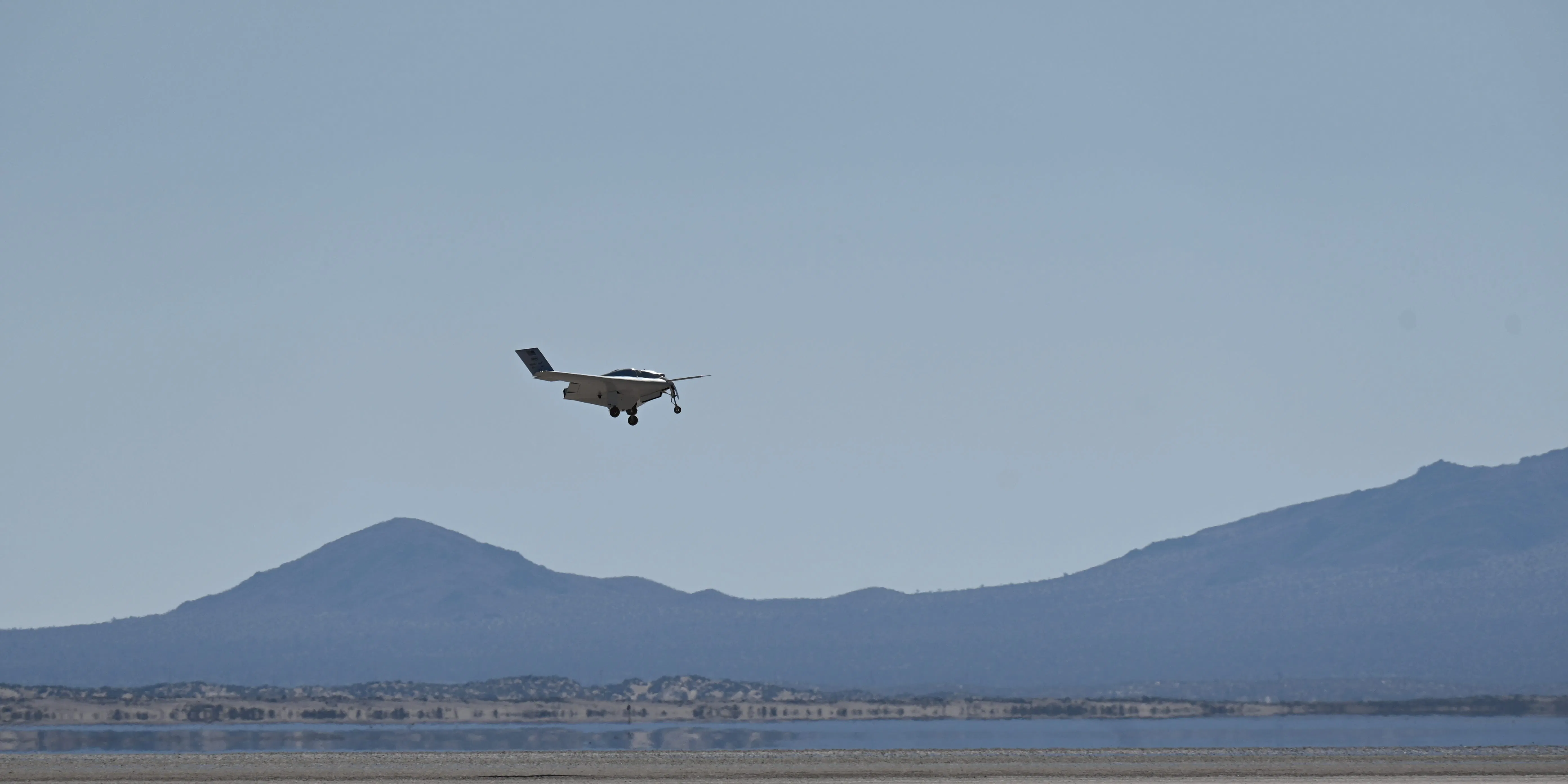
CALIFORNIA – A new experimental drone, designated XRQ-73, has successfully completed its initial flight in California. This unmanned craft, a product of Northrop Grumman's Scaled Composites under a DARPA program, is testing a novel propulsion system.
The XRQ-73 combines electric and jet fuel power sources, aiming for enhanced endurance and reduced acoustic signature during flight. A visual cue from its recent appearance shows a camera mounted near its nose. The specifics of its development timeline and potential deployment remain unarticulated by the military.
Next-Generation Propulsion Unveiled
The XRQ-73 is part of a broader initiative, the 'Series Hybrid Electric Propulsion AiRcraft Demonstration' or SHEPARD program. This effort signifies a move towards integrating hybrid-electric systems into future tactical aerial platforms.
General Atomics has also been a participant in developing similar technologies, notably with their 'GHOST' drone concept. While the XRQ-73's immediate future is unclear, the broader implications of its hybrid-electric design suggest a push for quieter, more persistent aerial operations.
Read More: Thousands of Schools Hit by Global Data Breach
The 'GHOST' Program and Its Predecessors
The GHOST drone, developed by General Atomics, is also centered on hybrid-electric propulsion, utilizing ducted fans. This system is intended to equip future drones with both intelligence, surveillance, reconnaissance (ISR) and strike capabilities.
Reports indicate the GHOST program builds upon earlier concepts like the Gambit drone family and the MQ-Next concept, which was pitched as a successor to the MQ-9 Reaper. The Air Force has previously expressed concerns regarding the MQ-9's efficacy in high-end conflict scenarios, suggesting a need for more advanced capabilities.
The military's engagement with General Atomics for the GHOST program, as noted in contracting notices from late May 2025, underscores the perceived value of these hybrid-electric designs.
Read More: Iran War Damage More Than Officials Said, Satellite Data Shows
The program's name, GHOST, stands for General Atomics Hybrid-electric Operational Surveillance and Strike Technology.
This technology aims for extended "persistence in the battle area" or long-range flight.
Unlike some current ISR platforms, the GHOST appears slated for kinetic strike missions.
The development of such systems reflects a perceived demand for advanced unmanned aerial vehicles capable of operating in contested environments, offering a blend of stealth and sustained operational capacity.


