New analysis of satellite imagery, coupled with internal reports, indicates that the extent of damage inflicted upon U.S. military installations by Iran in the recent conflict may be considerably more widespread than publicly acknowledged by the Trump administration. This emergent narrative challenges official pronouncements of a successful campaign and raises questions about transparency concerning the true cost of the war.
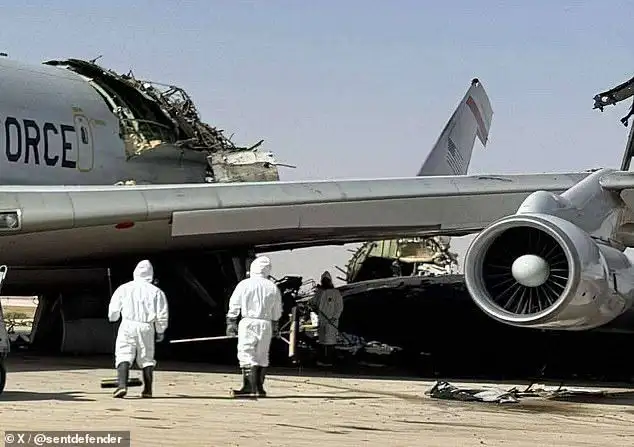
Satellite imagery, scrutinized by various news outlets, points to substantial destruction and damage to U.S. bases, fuel depots, barracks, and other outposts across the Middle East. These visual records suggest Iran's strikes have impacted over 100 targets across at least 11 U.S. bases, including those in Saudi Arabia and Qatar, a figure far exceeding initial government disclosures. Reports suggest specific incidents include the destruction of an AWACS aircraft and significant damage to facilities housing troops, with some analysts noting deliberate targeting of accommodation buildings.
Read More: Air Force Major Detained for Calling for President's Impeachment

The discrepancy between official statements and the evidence from satellite data has fueled allegations of a cover-up. Sources, including congressional aides and individuals familiar with the damage assessments, claim that the U.S. Department of War has been withholding information about the true scale of losses and the estimated billions of dollars required for repairs. Concerns have also been raised about the U.S. government's requests to major commercial satellite providers, such as Vantor and Planet, to limit or withhold the publication of conflict-related imagery, a move critics argue is aimed at censoring information and obscuring the reality of the war's impact.
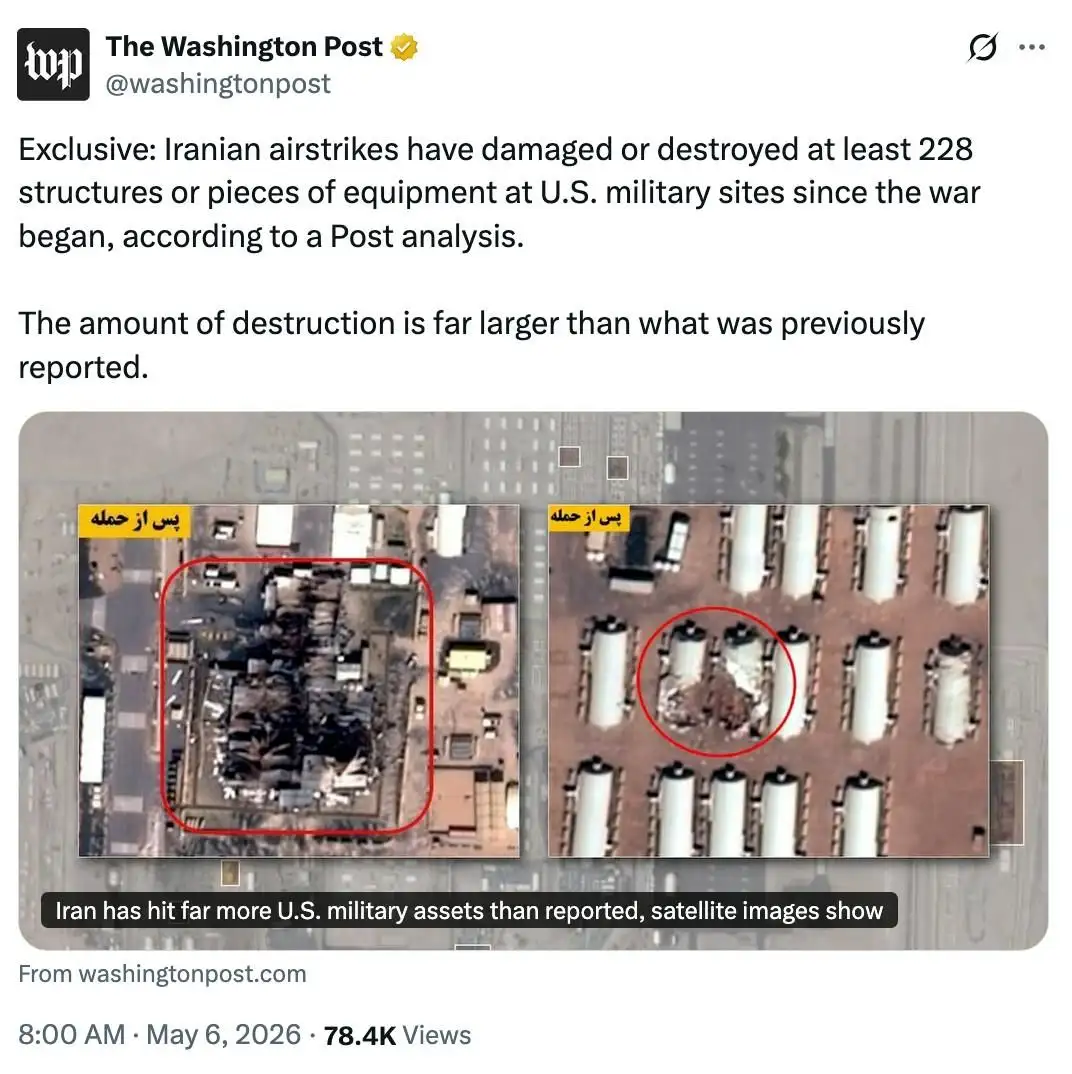
Discrepancies in Official Narratives
The Trump administration has consistently presented a narrative of success in its engagement with Iran. However, multiple reports indicate a pattern of downplaying the effectiveness of Iranian strikes. While the administration claimed Iran's missiles would not reach their targets, evidence suggests a notable number succeeded. This includes documented strikes on key infrastructure and facilities, leading to reduced staffing at several attacked sites. Furthermore, claims made by President Trump regarding the destruction of Iran's nuclear sites are being questioned, with U.S. intelligence assessments suggesting the strikes have had a minimal impact on Tehran's nuclear program, with timelines for potential weapon development remaining largely unchanged.
Read More: AFP Reviews War Crime Claims Against Australian in Gaza
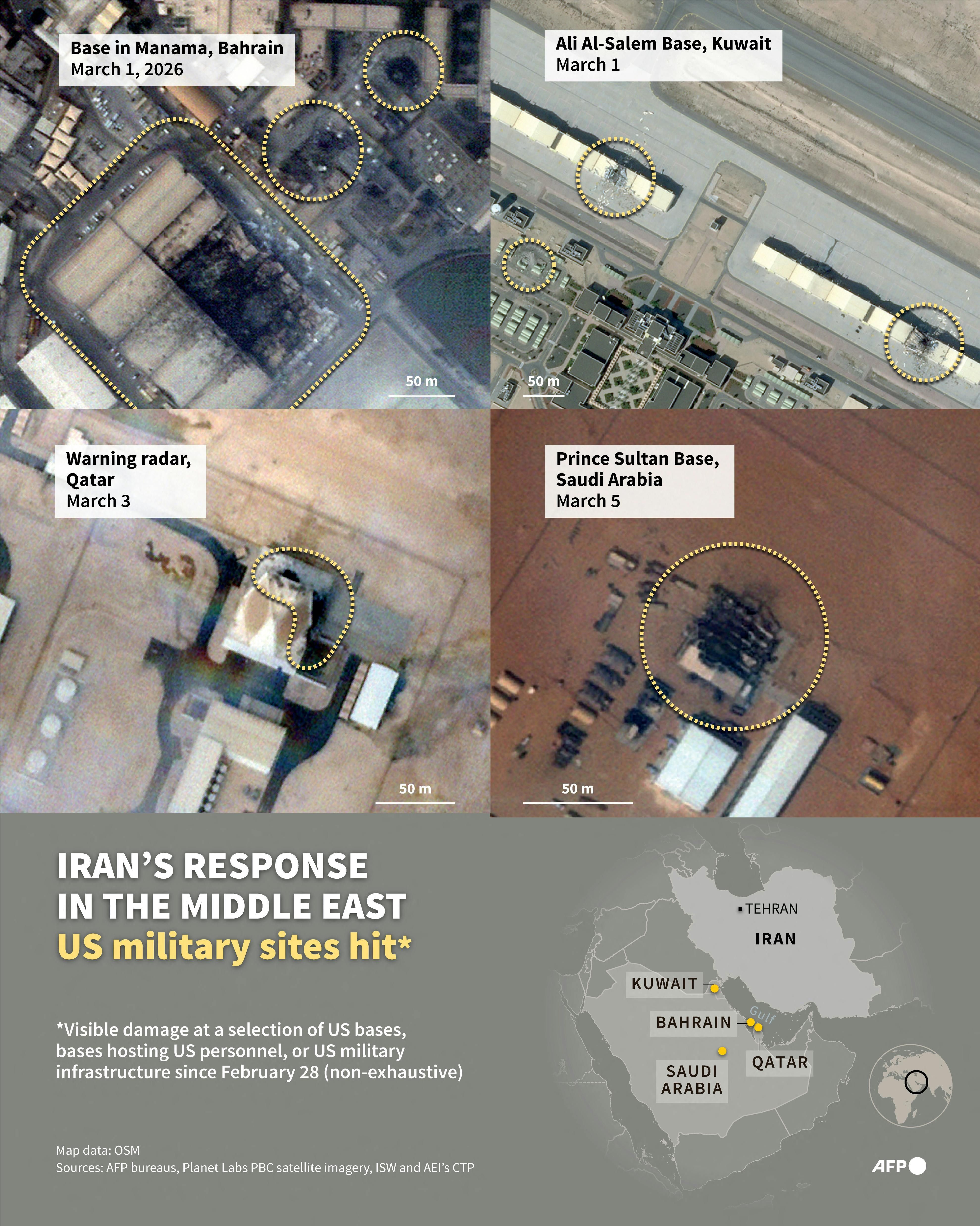
Strategic Implications and Official Responses
Some analysts have posited that the U.S. may have strategically allowed certain Iranian strikes, a perspective that, if true, adds another layer of complexity to the official account. The suggestion that U.S. forces may not return to some targeted sites at scale further complicates the narrative of a successful military operation. The Pentagon's reluctance to disclose the extent of damage or repair costs, even to members of Congress, underscores the growing chasm between public perception and the reported reality on the ground.
Background Context
The conflict with Iran has been marked by contentious rhetoric and a divergence between presidential claims and observable facts. Investigations into the war's aftermath have increasingly relied on declassified information and independent analysis of commercial satellite imagery to present a more comprehensive picture. This scrutiny comes amidst a broader pattern of allegations concerning the administration's handling of war-related information and its interactions with both domestic and international entities regarding the dissemination of sensitive data.