Ted Turner, the brash media mogul who upended the television landscape by launching CNN, the first 24-hour cable news network, has died at the age of 87. His passing marks the end of an era for a figure whose influence permeated media, sports, and philanthropy for decades.
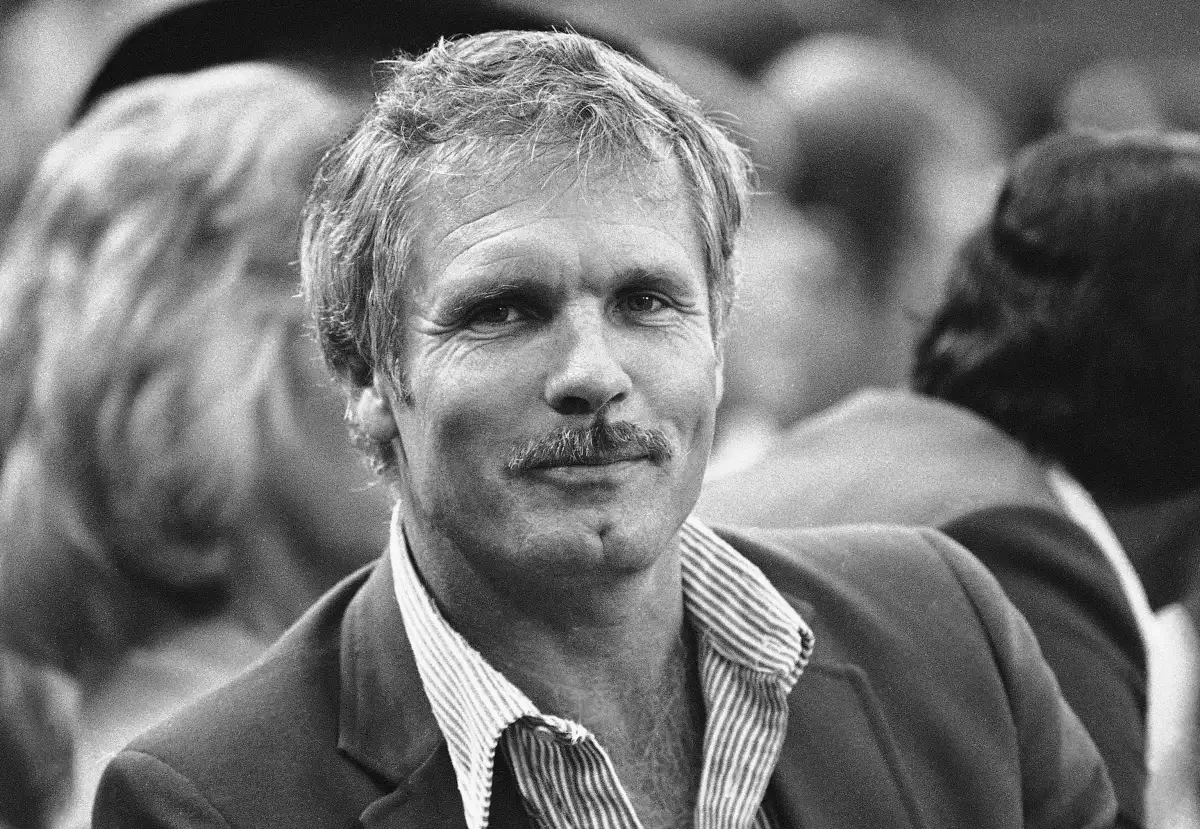
Turner's creation of CNN in 1980 fundamentally altered how the world consumed news, providing an unprecedented, round-the-clock flow of information that proved particularly influential during major global events. His ventures extended beyond news, encompassing a portfolio of successful cable channels such as TNT, TBS, and Cartoon Network, as well as significant sports franchises including the Atlanta Braves.
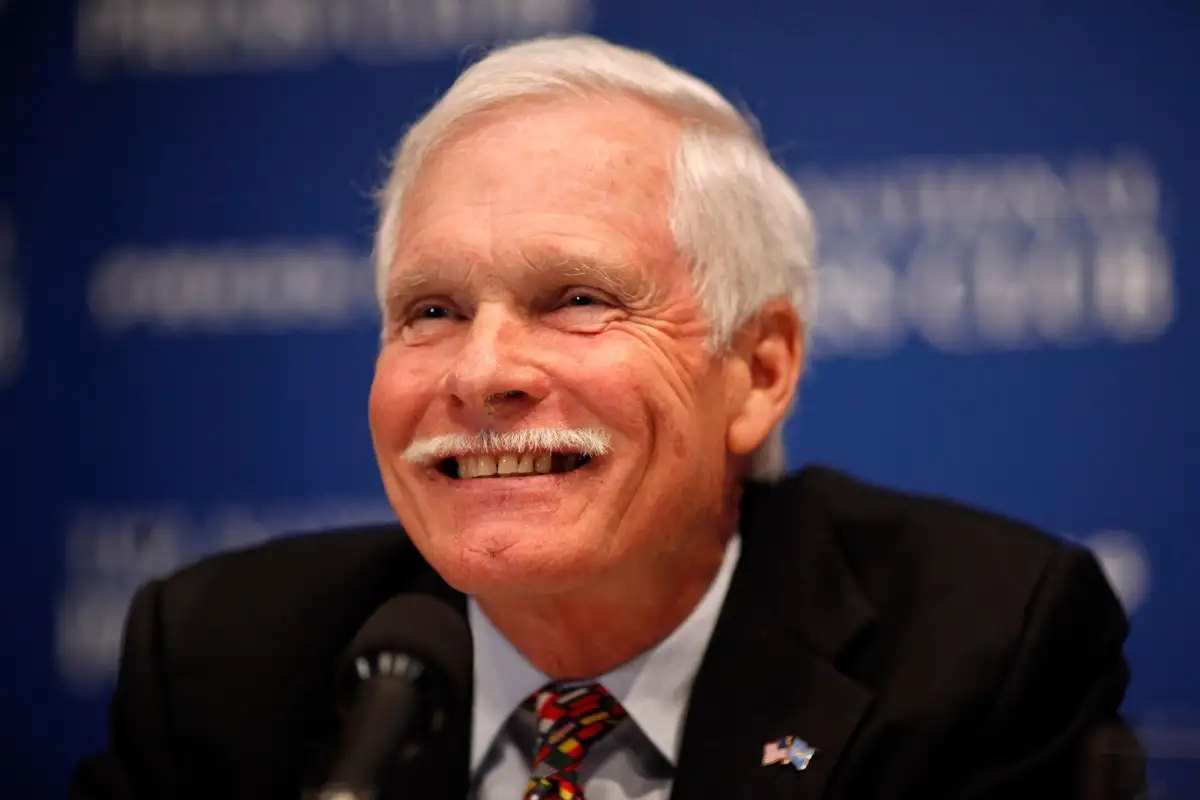
A Pioneer's Reach
The Atlanta-based media giant, whose full name was Robert Edward Turner III, began his career at his father's advertising firm before inheriting the business. This foundation set the stage for his transformative vision in television.
Read More: Victor Willis of Village People Dies at 74
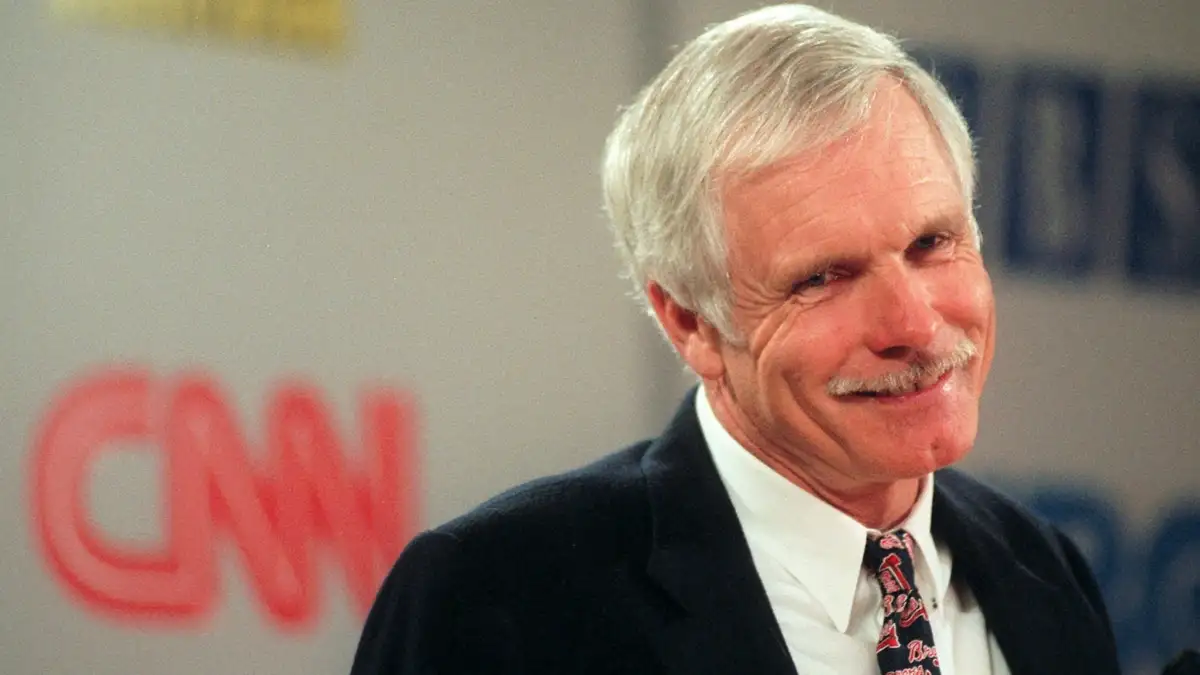
Turner's ambitious expansion saw the birth of CNN International, broadening his network's global footprint.
His business acumen also led him to acquire film studios like Castle Rock Entertainment and New Line Cinema.
In the 1990s, his media empire, Turner Broadcasting System, merged with Time Warner Inc.
“Ted was an intensely involved and committed leader, intrepid, fearless, and always willing to back a hunch and trust his own judgment,” said Mark Thompson, chair and CEO of CNN Worldwide. “He was and always will be the presiding spirit of CNN.”
Beyond Broadcasting
Turner's impact stretched into philanthropy, notably through the Turner Foundation, which focused on environmental conservation, protecting wildlife habitats, and supporting the United Nations. He also co-founded the Nuclear Threat Initiative, an organization dedicated to reducing global security risks.
Despite his immense success, Turner expressed discomfort in his later years with the trend of media consolidation that he himself helped to exemplify. A diagnosis of Lewy body dementia was announced in the years preceding his death. He died at his home in Florida.
His entrepreneurial spirit was evident even in his college days, where his father's disapproval of his studies led to a cutoff of tuition, a narrative that underscores his determined path. Beyond his media empire, he ventured into the restaurant industry with Ted's Montana Grill. Turner was married and divorced three times.
Read More: David Muir broadcast style secrets revealed as of April 2026