The recent ruling by the Calcutta High Court's Port Blair Bench has reopened a case involving the alleged dowry-related cruelty and subsequent deaths of a woman and her young daughter. The court's decision to set aside the discharge of the woman's in-laws signifies a significant step in addressing the complex issues of gender inequality and domestic abuse, particularly in the context of dowry demands and the birth of female children. This development brings renewed attention to the persistent societal challenges that hinder the realization of complete equality for girls.
Key Details of the Case:
A woman, identified in some reports as Bhawna, and her one-and-a-half-year-old daughter died under circumstances alleged to be linked to dowry demands and domestic cruelty.
The Port Blair Sessions Court had initially discharged the woman's in-laws, including her parents-in-law, brother-in-law, and sister-in-law.
The state challenged this discharge, leading to the Calcutta High Court's review.
Justice Apurba Sinha Ray of the Calcutta High Court delivered the judgment, emphasizing the long road to achieving gender equality.
Background of the Allegations
The case centers on accusations that the deceased woman was subjected to severe physical and mental torment by her in-laws. These alleged acts were reportedly intensified following the birth of her daughter and included demands for dowry.
Read More: Sam Asghari gives brief comment after Britney Spears DUI arrest
Reports indicate that the in-laws allegedly made substantial dowry demands, with figures of ₹5 lakh and ₹20 lakh mentioned in different accounts, particularly after the woman gave birth to a girl.
The deceased's husband is facing charges under sections related to cruelty (Section 498A) and dowry death (Section 304B) of the Indian Penal Code.
There are also mentions of the victim expressing suspicion regarding her husband's relationship with his aunt, a detail that surfaced during the proceedings.
Some reports suggest that the in-laws were anxious about the gender of the expected child, and the victim allegedly returned to her parents' home multiple times due to the ongoing harassment.
Calcutta High Court's Decision and Reasoning
The Calcutta High Court's intervention has reinstated the trial against the woman's in-laws. Justice Apurba Sinha Ray noted critical oversights by the sessions court in its initial decision.
The High Court found that the sessions court failed to adequately consider the statements of vital witnesses, particularly relatives of the deceased woman.
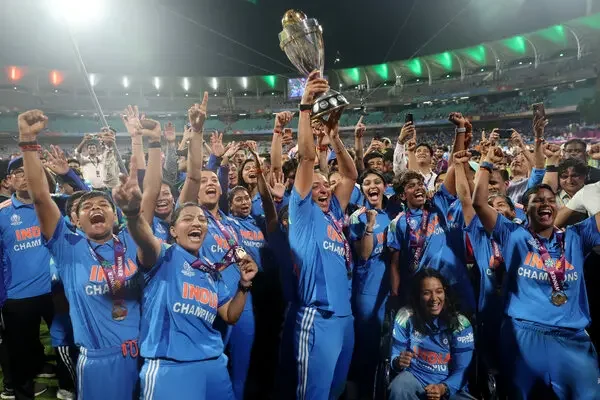
Justice Ray explicitly linked the case to the broader societal issue of gender equality, making a poignant observation: "Although we are happy and indeed, rejoicing that our daughters have won the World Cup in Cricket recently… the passing away of Rudrika at the age of one and half years reminds us that still we have to go a long way to achieve complete equality for our girl children."
The court directed the four accused in-laws to surrender before the trial court within four weeks and stated they could be enlarged on bail upon furnishing the required bonds.
Analysis of the Legal and Social Implications
The High Court's decision has several important legal and social implications. It underscores the judiciary's role in confronting deeply ingrained societal biases that contribute to violence against women.
Legal Precedent: By setting aside the discharge, the High Court has signaled a stricter approach to cases involving dowry harassment and its potential link to death, emphasizing the importance of thorough examination of witness testimonies.
Gender Equality Discourse: The court's framing of the case within the context of national achievements in sports, contrasted with the ongoing struggles for gender equality, serves as a powerful commentary on societal progress.
Deterrence: Reinstating the trial may act as a deterrent against such practices and signals that such offenses will be taken seriously by the justice system.
Circumstantial Evidence: The allegations regarding dowry demands, taunts for bearing a girl child, and subsequent deaths are based on witness statements and circumstantial evidence. The High Court's decision to proceed with the trial suggests that these elements are deemed sufficient to warrant further investigation and legal scrutiny.
Conclusion: A Reopened Path to Justice and Equality
The Calcutta High Court's decision to restore the trial against the in-laws in this dowry death case marks a significant development. It highlights the critical need for gender equality and challenges the prevailing societal attitudes that devalue female children and perpetuate domestic violence. The court's observation serves as a stark reminder that despite societal advancements, the struggle for true equality for girls remains an ongoing and arduous journey. The onus now lies on the trial court to meticulously examine all evidence and ensure justice is served, while society at large is prompted to reflect on the deep-seated issues that the case has brought to light.
Read More: India Creators Fight Back Against Book Censorship and Event Disruptions
Sources:
Hindustan Times: Provides details on the High Court's direction for the in-laws to surrender and be released on bail, and the observation that the sessions judge did not consider vital witness statements.
https://www.hindustantimes.com/cities/others/long-way-to-achieve-complete-equality-for-girl-children-cal-hc-s-port-blair-bench-101770634431583.html
The Indian Express: Features the quote about daughters winning the Cricket World Cup and equality still being distant. It also details the state's plea against the discharge and mentions the dowry demand and anxiety over the child's gender.
https://indianexpress.com/article/legal-news/our-daughters-won-cricket-world-cup-equality-still-distant-calcutta-high-court-restores-trial-against-in-laws-10518912/
Law Trend: Reports on the setting aside of the discharge by Justice Apurba Sinha Ray, highlighting the failure to consider witness statements and the specific dowry demand after the birth of a daughter.
https://lawtrend.in/calcutta-high-court-sets-aside-discharge-of-in-laws-in-dowry-death-case-cites-need-for-gender-equality/
LiveLaw: Includes the direct quote from the High Court linking sports achievements to the ongoing struggle for gender equality and confirms the restoration of the dowry death trial.
https://www.livelaw.in/high-court/calcutta-high-court/although-we-celebrate-our-daughters-winning-cricket-world-cup-equality-still-distant-calcutta-high-court-restores-dowry-death-trial-522370
BengalInfo (via AOL): Mentions the victim returning to her parents after giving birth to a girl and the subsequent taunts and demands for dowry, including a partial payment that did not end the torture.