Stakes Are High for Global Commerce
A new wave of scientific assessment is sounding an alarm: businesses globally face severe disruption, even extinction, if they continue to ignore their impact on the natural world. This urgent message stems from a significant report, indicating that the current economic model often treats nature as an overlooked asset, leading to substantial risks. The findings suggest a fundamental shift is needed, moving companies from actions that harm nature to those that actively restore it. The implications extend to financial markets, where nature-related risks are increasingly recognized as critical.
Understanding the Core Issues
The interconnectedness of business and the environment is highlighted by a major report, drawing on global scientific expertise. The core problem identified is that many businesses do not bear the direct financial consequences of their negative environmental impacts. Conversely, generating revenue from positive contributions to nature is often difficult. This dynamic results in biodiversity being frequently viewed as an expendable item on financial statements, rather than a vital component of economic stability.
Read More: UK Economy Grew a Little at End of 2025
Dependency: Economies and human societies are fundamentally reliant on the services provided by biodiversity.
Cost Imbalance: Businesses often incur minimal or no financial cost for damaging nature, while failing to profit from its restoration.
Invisible Assets: Biodiversity's value is frequently omitted or undervalued in business accounting and decision-making.
A Shifting Landscape: From Neglect to Accountability
The recent findings underscore a growing awareness that nature loss is not merely an environmental concern but a significant planetary emergency impacting global economies. Past approaches, often characterized by a disconnect between business operations and ecological consequences, are no longer sustainable.
Historical Practices: Many businesses have operated with limited accountability for their environmental footprint.
Emerging Risks: Nature-related risks are becoming more prominent, affecting business operations, supply chains, and market stability.
Urgent Need for Change: Experts emphasize that these risks must be integrated into mainstream business strategies.
Evidence of Impact and Dependency
Key reports reveal how businesses are intricately linked to the health of the planet. They depend on nature for essential resources and services, yet often contribute to its decline.
Read More: Plan to Build Big Ice Wall to Save Doomsday Glacier
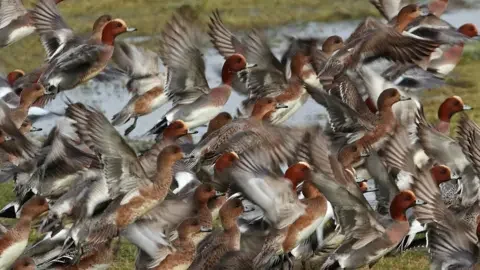
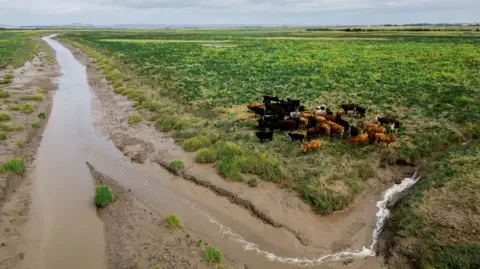
Article 1 (BBC News): Mentions a report warning that businesses risk "extinction themselves unless they protect and restore the natural world." It highlights Steart Marshes as an example where farming and conservation are integrated.
Article 2 (Mirage News): Cites the IPBES Business and Biodiversity Assessment, stating that "business, economies, and development ambitions depend on biodiversity." It points out the lack of financial cost for negative impacts and difficulty in profiting from positive ones.
Article 3 (World Economic Forum): The "Nature Risk Rising" report from 2020 explains that "nature loss is a planetary emergency" and "nature loss matters for most businesses." It calls for urgent mainstreaming of nature-related risks into management strategies.
Article 4 (Nature Conservancy): A 2025 status report on the Taskforce on Nature-related Financial Disclosures (TNFD) indicates that "Nature is firmly on the financial risk radar" and "nature-related disclosures [are] pushing into the financial mainstream."
Business Responsibilities and Actions
The scientific consensus is clear: businesses, including financial institutions, have a responsibility to address their impact on biodiversity. The reports outline specific actions companies can take to mitigate harm and foster restoration.
Transitioning to Nature-Positive Practices
The focus is shifting from minimizing harm to actively contributing to nature's recovery. This involves recognizing that healthy ecosystems are foundational to long-term business success.
Read More: Sir Jim Ratcliffe Says Sorry for Immigration Comments
Harmful to Helpful: A shift is needed from business models that degrade nature to those that support its regeneration.
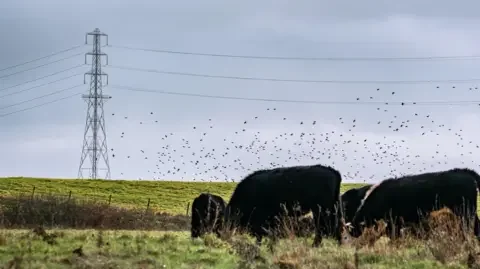
Integrated Solutions: Examples like Steart Marshes demonstrate how economic activities and conservation can coexist and benefit each other.
Financial Institutions: These entities are also identified as having a crucial role in financing and guiding this transition.
The Rise of Nature-Related Financial Disclosure
The financial sector is increasingly incorporating nature-related risks into its assessments. This trend is driven by both regulatory pressures and investor demands, making these issues central to financial reporting.
Regulatory and Investor Drivers: Growing pressure from governments and investors is pushing for greater transparency on nature impacts.
Mainstreaming Disclosures: Nature-related disclosures are becoming a standard part of financial reporting, akin to climate change.
Proactive Engagement: Businesses are advised to embrace frameworks like the TNFD and develop capabilities to manage these risks and opportunities.
Valuing Nature's Contributions
A significant challenge remains in how businesses currently value the contributions of nature. Often, these contributions are not reflected in financial statements, leading to their underestimation and subsequent exploitation.
Read More: Cartoonist Rohan Chakravarty Uses Funny Pictures to Teach About Nature
Invisible and Expendable: Biodiversity is frequently treated as an asset with little or no balance sheet value.
Revenue from Restoration: Difficulty in generating revenue from positive biodiversity impacts hinders investment in conservation.
Ecosystem Services: The report stresses the importance of recognizing and valuing "nature's contributions to people," including essential ecosystem services.
Expert Insights on the Path Forward
The reports consistently point to a critical juncture for global business. The scientific community and financial analysts agree that inaction carries substantial risks.
"Businesses risk extinction themselves unless they protect and restore the natural world."— Global Scientists, as cited in BBC News
"This IPBES Business and Biodiversity Assessment makes a vital contribution to exposing and explaining how business, economies, and development ambitions depend on biodiversity."— IPBES Business and Biodiversity Assessment, as cited in Mirage News
"Nature loss is a planetary emergency. Nature loss matters for most businesses – through impacts on operations, supply chains, and markets."— World Economic Forum, Nature Risk Rising Report (2020)
Conclusion: A Call for Urgent Integration
The collective findings present a stark reality: the long-term viability of businesses is inextricably linked to the health of the natural environment. The current economic paradigms, which often fail to account for the full value of nature or the costs of its degradation, are unsustainable. The reports advocate for a comprehensive shift, urging businesses to:
Read More: Arc Raiders Game Sells 14 Million Copies, Much More Than Expected
Integrate Nature into Strategy: Actively manage dependencies on and impacts on nature across all operations.
Embrace Transparency: Disclose nature-related risks and opportunities, aligning with emerging financial reporting standards.
Invest in Restoration: Transition from merely minimizing harm to actively contributing to the restoration of ecosystems.
Collaborate: Foster partnerships between businesses, governments, and conservation organizations to create an enabling environment for change.
Failure to adapt to this reality will likely lead to significant disruptions and, in some cases, business failure, as the foundational natural systems that support economies weaken.
Sources Used
BBC News: "Ipbes report: Nature loss could spell extinction for businesses" (Published 13 hours ago) - https://www.bbc.com/news/articles/cq8g20xgdjwo
Mirage News: "Businesses Must Lead Change or Face Extinction: IPBES" (Published 3 minutes ago) - https://www.miragenews.com/businesses-must-lead-change-or-face-extinction-1616233/
World Economic Forum: "Nature Risk Rising: Why the Crisis Engulfing Nature Matters for Business and the Economy" (Published Jan 19, 2020) - https://www.weforum.org/publications/nature-risk-rising-why-the-crisis-engulfing-nature-matters-for-business-and-the-economy/
Nature Conservancy: "The TNFD 2025 Status Report: Nature Moves Centre Stage in Financial Reporting" (Published Nov 4, 2025) - https://natcapresearch.com/blog/the-tnfd-2025-status-report